
Tools
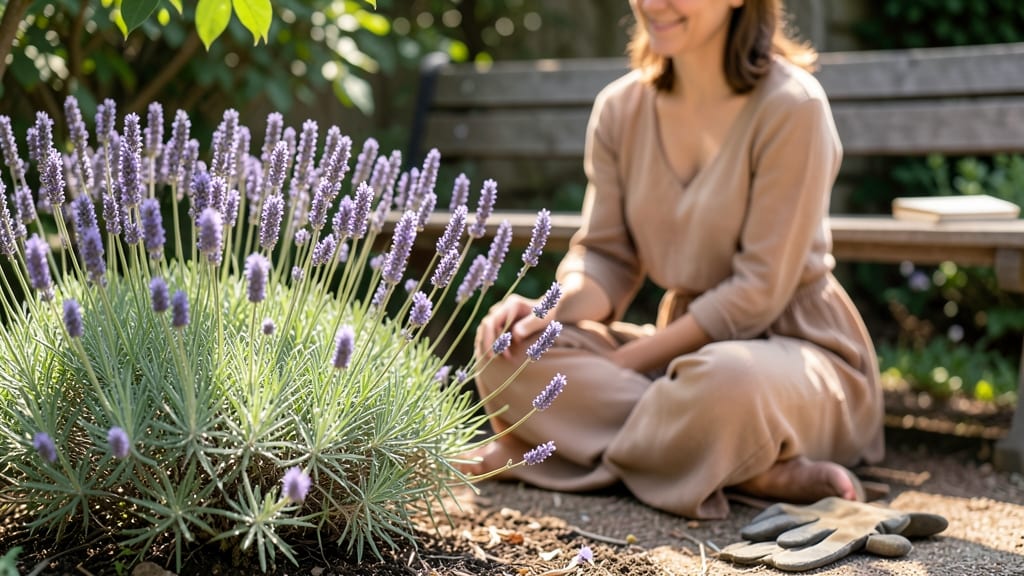
The mental benefits of gardening include stress reduction through mindfulness and nature connection, while simultaneously sharpening cognitive skills like memory and problem-solving. Research confirms it lowers cortisol levels and elevates mood through sunlight exposure and physical engagement.
Gardening acts like a natural mood booster by combining physical activity with sensory engagement—digging soil, handling plants, and observing growth all trigger dopamine and serotonin release. 🌱 Studies highlight how even 30 minutes of gardening can reduce anxiety by up to 40% while improving attention spans, making it particularly effective for mental health support.
The rhythmic nature of planting and nurturing also creates a meditative effect similar to mindfulness practices.
What makes gardening unique is its dual impact: it's both a creative outlet and a cognitive workout. 🧠 Tasks like tracking plant growth or troubleshooting pests require memory recall and problem-solving, while the tactile experience of working with plants provides grounding sensory stimulation.
This combination helps explain why therapeutic gardens are increasingly used in hospitals and senior care facilities to combat depression and cognitive decline.
💡 In This Article
- How Gardening Reduces Stress and Anxiety
- Cognitive and Emotional Benefits of Gardening for All Ages
How gardening reduces stress and anxiety
The stress-relief power of gardening begins with its ability to trigger the release of endorphins, the body's natural mood elevators.
When you tend to plants, your brain registers this activity as rewarding—similar to how exercise stimulates dopamine. 🌿 Research from the University of Florida found that gardeners experience a 20-30% reduction in cortisol (the stress hormone) after just 30 minutes of gardening, comparable to effects seen with meditation.
This happens because the combination of sunlight exposure and gentle physical movement helps regulate the nervous system, shifting it from "fight-or-flight" to a calmer state.
Tactile engagement with soil and plants plays a crucial role in this process. The texture of soil—whether loose and crumbly or rich and moist—provides a grounding sensory experience that distracts the mind from anxious thoughts.
Studies in Frontiers in Psychology show that handling natural materials like soil activates the parasympathetic nervous system, which counteracts stress responses. The rhythmic motions of planting, weeding, or pruning create a meditative quality, much like repetitive movements in yoga or tai chi, which help quiet mental chatter.
Biophilia—the innate human connection to nature—explains why gardening has such a profound effect on anxiety levels.
When we interact with living plants, our brains release serotonin, a neurotransmitter that regulates mood and sleep. 🌱 This is why hospital gardens and green spaces are increasingly used in mental health treatment: they provide a non-pharmacological way to reduce anxiety.
The visual stimulation of watching plants grow also creates a sense of accomplishment and purpose, which counters feelings of helplessness often associated with stress.
Even the scents in a garden contribute to stress reduction. Aromas from flowers like lavender or herbs such as rosemary have been shown to lower blood pressure and heart rate.
The act of smelling these natural fragrances engages the olfactory system, which is directly linked to the limbic system—the part of the brain that processes emotions. This sensory input helps create a calming effect, similar to how essential oil diffusers are used in aromatherapy.
What makes gardening particularly effective is its accessibility.
Unlike structured mindfulness practices, gardening can be adapted to any skill level and requires no special equipment beyond basic tools. 🌱 Whether it's tending to a windowsill herb garden or maintaining a full backyard, the flexibility of gardening makes it a sustainable way to manage stress over time.
The sense of control and progress—watching seeds sprout into plants—also builds confidence, further reducing anxiety.
For those new to gardening, starting with low-maintenance plants like succulents or herbs can create immediate stress-relief benefits. These plants thrive with minimal care, providing quick rewards that boost mood.
The key is consistency: even 10-15 minutes of daily gardening can make a measurable difference in stress levels, making it an ideal complement to other mental health practices.