
Planting
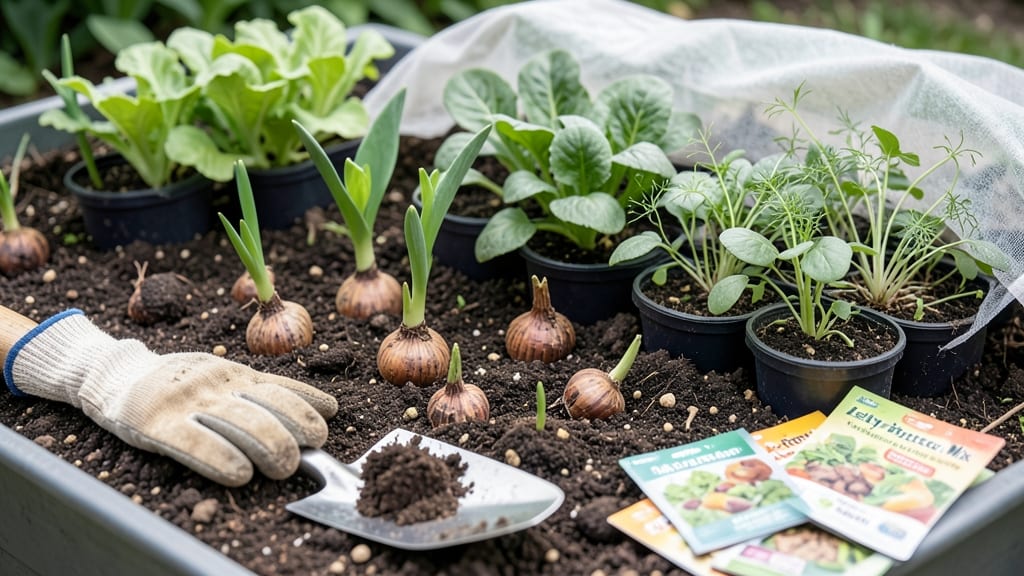
Now is the perfect time for gardeners to start planting seeds and bulbs, especially for cool-season crops like spinach and kale alongside hardy bulbs such as crocuses and hyacinths. Always verify your local frost dates to protect delicate seedlings from unexpected cold snaps.
Spring planting kicks off once soil temperatures stabilize and frost risks diminish—typically between late February and early April, depending on your zone. 🌱 Cool-season vegetables like broccoli and carrots thrive when sown early, while perennials such as lavender establish stronger roots with an early start.
I’ve found that using row covers can extend the planting window by 2–4 weeks, giving tender crops like tomatoes a head start without risking frost damage.
For bulbs, timing varies: tulips and daffodils should go in the ground as soon as the soil is workable, while summer-blooming varieties like dahlias wait until after the last frost. The key is balancing soil warmth with moisture—overly wet conditions can rot bulbs, while dry soil stunts root growth.
Always amend your beds with compost to improve drainage and nutrient availability.
💡 In This Article
- Best Early Planting Seeds and Bulbs for Spring Gardens
- How to Prepare Soil and Extend the Planting Window
Best early planting seeds and bulbs for spring gardens
Cool-season vegetables like lettuce, spinach, and peas are ideal early starters because their growth cycles align perfectly with spring's moderate temperatures. These crops thrive when soil temperatures hover between 45-65°F, allowing them to establish roots before summer's heat sets in.
Lettuce, for example, germinates best at 50-60°F, while peas prefer slightly cooler 40-50°F soil—both perfect for early spring planting. The key here is their ability to tolerate light frosts, which many summer crops can't handle. 🌱
Hardy bulbs such as tulips and daffodils have a different strategy: they need cold stratification to bloom properly. Planting them in early spring allows the bulbs to establish roots before summer dormancy, ensuring vibrant displays the following year.
Tulips, in particular, benefit from being planted when soil temperatures are 50°F or warmer, which promotes root growth without encouraging premature shoot development. The bulbs' natural sugars provide energy for early root establishment, which is why they're less fussy about soil preparation compared to seeds.
Perennials like pansies and sweet alyssum are also excellent early choices because they grow slowly and establish strong root systems before summer's intensity. Pansies, for instance, can handle temperatures down to 25°F once established, making them resilient for early spring planting.
Their bright blooms add instant color to gardens, while their low-growing habit prevents them from competing with other plants for space. The secret to their success lies in their ability to store energy in their roots during winter, allowing them to rebound quickly in spring.
What many gardeners overlook is the importance of soil moisture during this critical period. Seeds and bulbs planted in dry soil struggle to establish roots, while overly wet conditions can lead to rot. Aim for soil that's moist but not soggy—think of a damp sponge that still holds its shape.
Adding a 1-inch layer of mulch after planting helps retain moisture while insulating roots from temperature fluctuations. This simple step can mean the difference between thriving plants and disappointing failures. ✨
Consider these key factors when choosing what to plant now:
- Frost tolerance: Cool-season crops like kale and Swiss chard can handle light frosts, while tender varieties like basil need warmer soil.
- Root depth: Carrots and beets need loose, deep soil to develop properly, while shallow-rooted lettuce adapts to denser conditions.
- Bloom time: Early bulbs like crocuses bloom in late winter, while tulips and daffodils wait until spring, aligning with their planting windows.
For the best results, match your planting schedule to your region's last frost date—typically 2-4 weeks before for cool-season crops and after for tender varieties. This timing ensures your plants have enough growing season to mature before summer's heat arrives. 💫