
Fertilization
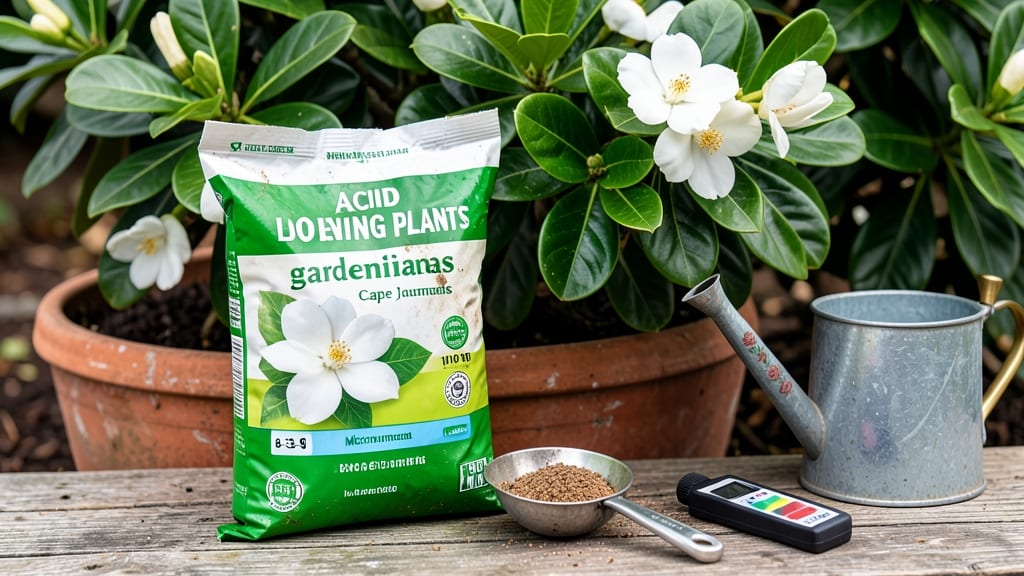
Fertilizing gardenias at the right time—spring through early summer—is the game-changer for year-round blooms and lush foliage.
Struggling to keep your gardenias blooming year after year? The secret lies in timing—fertilizing at the wrong moment can stunt growth or even kill your plant. But when exactly should you feed these fragrant favorites for vibrant blooms?
Gardenias thrive when fed during their active growing season, which typically runs from early spring through summer. This is when they need the most nutrients to support new growth and abundant flowering.
A light feeding in early fall can also help prepare them for winter, but avoid fertilizing in late fall or winter when growth slows.
In this guide, you’ll discover the best months to fertilize, how to choose the right fertilizer for your gardenias, and what to watch for if you overdo it. Let’s get your gardenias looking their best!

Optimal gardenia fertilizing schedule: spring vs. fall timing explained
Gardenias thrive on a precise fertilization schedule that aligns with their natural growth cycles. Unlike many plants, they respond best to seasonal feeding—especially during spring awakening and fall recovery. Skipping these key windows can lead to fewer blooms or weak foliage, while overdoing it risks burning roots.
Let’s break down the science behind why spring and fall are your power months.
The spring feeding window (March–May) kickstarts growth after winter dormancy. This is when your gardenia’s roots wake up and need phosphorus-rich fertilizer to fuel bud formation.
In contrast, fall fertilization (September–October) preps the plant for winter by strengthening roots and storing nutrients. Missing either can leave your plant struggling to rebound.
| Season | Best Months | Fertilizer Type | Frequency | Key Goal |
|---|---|---|---|---|
| Spring | March–May | Balanced (e.g., 6-10-6) | Every 3–4 weeks | Stimulate new growth & blooms |
| Summer | June–August | Low-nitrogen (e.g., 5-10-10) | Every 4–6 weeks | Support existing blooms |
| Fall | September–October | Slow-release (e.g., compost) | Once (light dose) | Strengthen roots for winter |
| Winter | November–February | None | N/A | Dormancy period |
Spring fertilization should begin when you spot new leaf growth—usually in early March for most climates. Use a balanced fertilizer (like 6-10-6) to encourage both foliage and flowers.
Apply it in the early morning to avoid leaf burn from heat stress. In USDA Zones 8–10, you might start as early as February if winter was mild.
Fall feeding is often overlooked, but it’s critical for root development. A light dose of slow-release fertilizer or compost in September gives your gardenia time to absorb nutrients before dormancy.
Avoid high-nitrogen feeds—this can spur late-season growth that won’t harden off before frost. Think of it as a nutrient insurance policy for next year’s blooms.
Over-fertilizing in spring shows up as yellowing leaves or leaf drop, while fall overfeeding can lead to soft, mushy stems that won’t survive winter. Under-fertilizing? You’ll see stunted growth and small, sparse blooms. The key is consistency: feed when the plant is actively growing, not when it’s dormant.
For container gardenias, adjust timing slightly—they warm up faster in spring. Start fertilizing when you see buds forming, typically 2–3 weeks earlier than in-ground plants. Also, flush the soil with water after feeding to prevent salt buildup, which can burn roots and reduce bloom quality.
Pro tip: Pair spring feeding with pruning dead blooms to redirect energy to new growth. In fall, mulch heavily (3–4 inches) after fertilizing to insulate roots. This two-step approach—feed then protect—maximizes your gardenia’s resilience through winter.
Regional adjustments matter! In cooler climates (Zones 7 and below), delay spring feeding until after the last frost date. In hot climates (Zones 10+), you might extend fall feeding into November.
Always check your plant’s specific needs—some varieties, like Gardenia jasminoides ‘Kleim’s Hardy’, tolerate colder winters and need less fall prep.
Remember, gardenias are heavy feeders but sensitive to excess. When in doubt, err on the side of less fertilizer—you can always add more next time. With this schedule, you’ll enjoy year-round blooms and a plant that thrives for decades. 🌿
How to choose the right fertilizer for gardenias (and when to switch)
Selecting the right fertilizer for gardenias depends on your plant's needs and your gardening style. Gardenias thrive with a balanced NPK ratio of 5-10-10, which promotes blooming while supporting foliage growth. Organic options like compost or fish emulsion work well, while synthetic fertilizers offer precise nutrient control.
My personal preference? A slow-release granular fertilizer in spring, followed by liquid feeds during summer for a steady nutrient supply.
When choosing between organic vs. synthetic fertilizers, consider your garden's ecosystem. Organic fertilizers like bone meal or worm castings improve soil health long-term, while synthetic options provide immediate results.
For example, I use fish emulsion in early spring to kickstart growth, then switch to a 10-10-10 liquid fertilizer every 3 weeks during peak blooming season. This dual approach ensures my gardenias get both quick nutrients and lasting soil benefits.
Timing your fertilizer switch is crucial. In early spring, use a high-phosphorus fertilizer (like 5-10-10) to encourage root development and bud formation. By mid-summer, shift to a balanced or potassium-rich formula (e.g., 10-10-20) to support flower production.
Always reduce feeding in late summer to prepare for dormancy, and avoid fertilizing in fall or winter entirely.
Fertilizer Timing for Gardenias
✅ Do This
- Spring: Feed with 5-10-10 when new growth appears
- Summer: Use liquid fertilizer every 3 weeks for blooms
- Early Fall: Light feed with balanced fertilizer (e.g., 10-10-10)
❌ Avoid This
- Winter: Never fertilize when plant is dormant
- Late Fall: Skip heavy feeding to prevent new growth
- Over-Feeding: More fertilizer ≠ better blooms
🌱 Pro Tip: Always water gardenias before fertilizing to prevent root burn.
For slow-release vs. liquid fertilizers, I recommend starting with slow-release granules in spring for convenience. These provide nutrients gradually over 3-6 months, reducing the risk of over-fertilization.
During summer's peak blooming season, I supplement with liquid fertilizers applied every 3 weeks. This two-step approach ensures my gardenias get consistent nutrition without stressing their roots.
If your gardenias show signs of nutrient deficiencies—like yellow leaves or sparse blooms—it's time to switch fertilizers. For example, yellow leaves with green veins often signal nitrogen deficiency, while buds that don't open may mean low phosphorus.
In these cases, I adjust to a higher-nitrogen fertilizer (like 12-6-6) or a phosphorus boost (like 3-12-6), respectively. Always test soil pH first—gardenias prefer acidic soil (5.0-6.0).
Remember, the key to fertilizing gardenias is consistency and timing. Stick to a spring-to-summer feeding schedule, monitor your plants' responses, and adjust as needed. With the right fertilizer and timing, your gardenias will reward you with abundant, fragrant blooms all season long! 🌷