
Plants
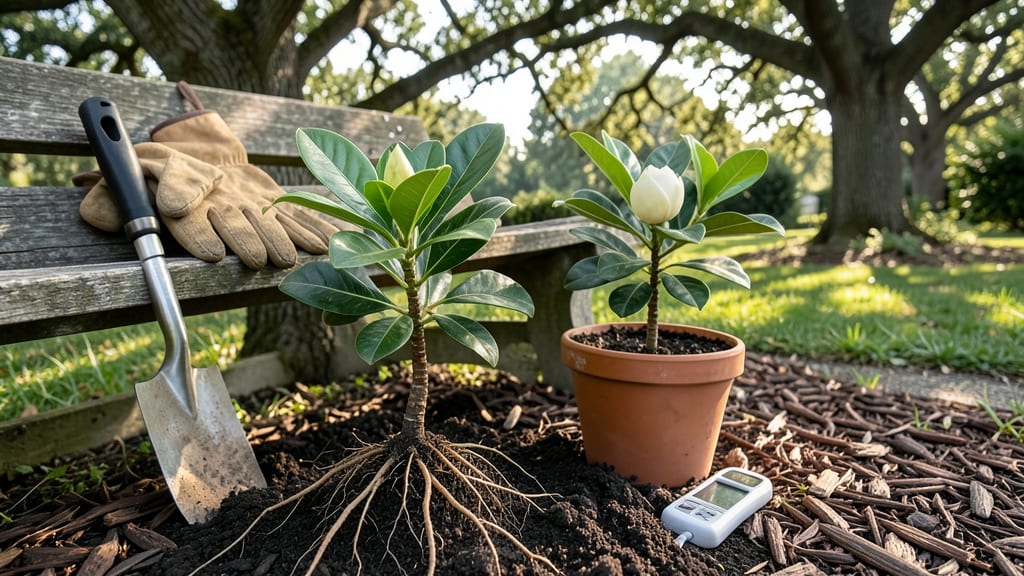
Plant gardenias in Texas between late February and early March to give them the best shot at surviving the brutal summer heat 🌸 — timing that keeps them out of frost danger while avoiding the worst of the Texas sun.
Texas gardeners know the struggle—plant too early, and your gardenias will wilt in the heat; too late, and they’ll miss the growing season entirely. But with the right timing, these fragrant shrubs can thrive in your yard, filling your garden with sweet blooms for years.
Why does timing matter so much? Gardenias are tropical plants at heart, and Texas summers can be unforgiving. Planting them too soon means risking heat shock, while waiting too long can leave them struggling to establish roots before the heat sets in.
In this guide, I’ll break down the perfect planting window for your Texas zone, share soil and location tips to keep them happy, and give you pro tricks for adjusting if you’re planting late or early. Let’s get those gardenias growing!
Best planting months for gardenias in Texas heat zones
Texas gardeners face a unique challenge when planting gardenias—timing is everything. These fragrant shrubs thrive in warm climates but struggle with early heat exposure or late-season stress. The key is planting when soil temperatures are consistently above 60°F but before summer’s brutal 100°F+ days arrive.
Let’s break down the best planting windows for each Texas heat zone to ensure your gardenias take root successfully.
Texas spans USDA zones 8a through 10a, creating dramatic differences in frost dates and heat intensity. In northern Texas (8a-9a), gardeners must wait until after the last frost—typically mid-February to early March—while southern Texas (9b-10a) offers a longer window from late January to early April.
The goal is to plant when your gardenia can establish roots before the oppressive summer heat sets in, usually by mid-May at the latest.
Here’s the critical detail: soil temperature matters more than air temperature. Gardenias prefer soil that’s warm but not scorching—ideal range is 65°F to 75°F. Use a soil thermometer to check before planting. If your soil is below 60°F, delay planting to avoid root rot or stunted growth.
In central Texas (8b-9a), this often means waiting until late March, while Houston and Gulf Coast areas (9b-10a) can plant as early as February.
Now, let’s dive into the zone-by-zone breakdown with our comparison table to pinpoint the perfect planting window for your location.
For gardeners in zone 8a, like those in Amarillo or Lubbock, the late March to early April window is critical. Planting earlier risks frost damage, while waiting too long exposes young plants to intense summer heat.
In zone 10a, such as Houston or Corpus Christi, you have more flexibility but should still aim for February to March to avoid the humid summer downpours that can drown roots.
One of my
Signs your Texas gardenia planting timing is perfect (or wrong)
Your Texas gardenia planting timing is spot-on when you see deep green, glossy leaves within 4-6 weeks of transplanting. This vibrant foliage signals the plant has established roots and is ready to thrive in your acidic soil.
If your gardenia shows yellowing leaves or stunted growth, it’s likely a sign you planted too early or in poor soil conditions.
Another key indicator is new growth appearing along the stems. Healthy gardenias should produce 2-3 inches of fresh shoots each month during spring and summer. If growth is slow or nonexistent, your plant may be struggling from heat stress or inadequate watering.
⚠️ callout-warning ⚠️
Planting gardenias in full Texas sun without acclimation causes leaf scorch. Always harden off nursery plants for 7-10 days by gradually exposing them to morning sunlight only. Overwatering in summer is another pitfall—gardenias prefer consistent moisture, not soggy soil.
Don’t overlook the flower buds as your best timing confirmation. If your gardenia produces 5-10 buds by mid-spring, you’ve nailed the planting window. These buds should be greenish-white and firm—if they’re brown or mushy, your plant may have experienced heat shock or poor drainage.
For Texas gardeners in Zone 9-10, watch for late-season blooms as a sign of perfect timing. If your gardenia flowers throughout summer, it’s thriving in warm but not scorching conditions. However, if flowers drop prematurely, your plant may be stressed from afternoon heat.
Finally, inspect the root system if you’re unsure. Gently dig around the base after 8 weeks—healthy roots should be white or light tan and 1-2 inches long. Dark, mushy roots indicate overwatering, while sparse roots suggest poor soil nutrients or wrong planting time.
Adjust your watering schedule and mulching habits based on these signs. A well-timed gardenia in Texas should reward you with fragrant blooms from spring through fall! 🌸