
Planting
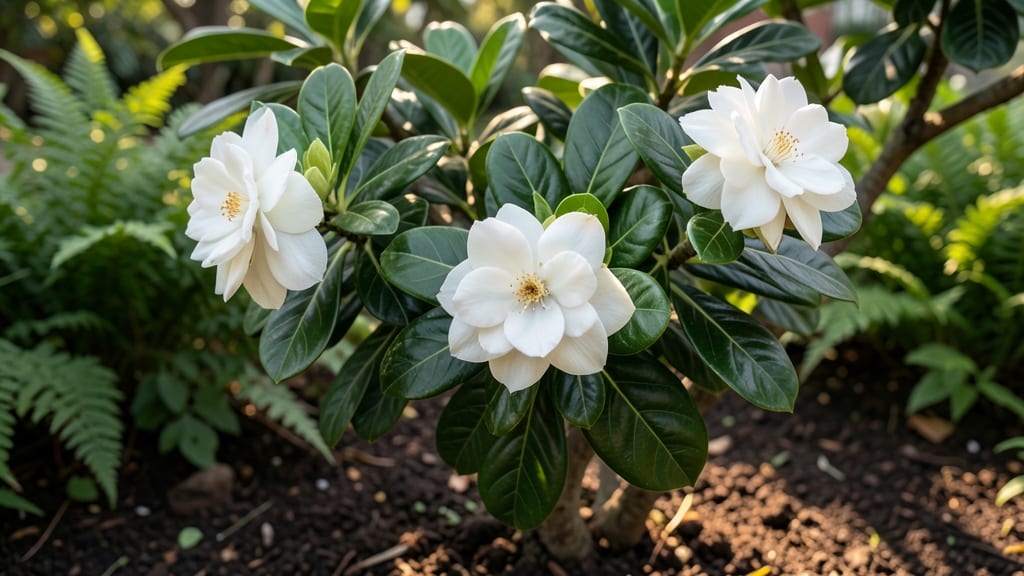
Gardenia plants thrive best in Zone 9 with bright shade, well-draining soil, and consistent moisture. Plant in spring after frost risk passes, mulch heavily to protect roots, and prune lightly after flowering to encourage bushier growth. Avoid heavy fertilizers, which can reduce blooms.
Zone 9's warm climate mimics gardenias' native tropical environment, which is why they flourish there. 🌿 The key is balancing sunlight exposure—too much direct sun can scorch leaves, while too little shade reduces blooming. I've found that morning sun with afternoon shade works best, especially during summer's peak heat.
These plants also love slightly acidic soil (pH 5.0-6.5) and benefit from regular watering that keeps the soil evenly moist but never soggy.
When planting, timing matters—spring is ideal because it gives roots time to establish before summer's heat. Mulching with organic matter helps retain moisture and regulates soil temperature, while light pruning after flowering redirects energy to new growth.
The biggest mistake I see is over-fertilizing, which can lead to lush foliage but fewer fragrant blooms—the plant's true prize.
💡 In This Article
- Ideal Growing Conditions for Gardenias in Zone 9
- Step-by-Step Guide to Planting and Maintaining Gardenias
Ideal growing conditions for gardenias in Zone 9
Zone 9's climate perfectly mirrors gardenias' natural tropical habitat, where they thrive in warm, humid conditions with 65-85°F temperatures year-round. The key lies in humidity—these plants love 50-70% relative humidity, which Zone 9 often provides naturally.
In drier periods, misting leaves or using a pebble tray with water can recreate the lush environment they crave. The soil's acidity (pH 5.0-6.5) is equally critical, as gardenias absorb nutrients more efficiently in slightly acidic conditions, much like their native peat-rich soils.
Sunlight exposure requires careful balance: gardenias need bright, indirect light—think dappled shade under tall trees or east-facing windows. Too much direct sun (especially Zone 9's intense afternoon rays) causes leaf scorch, while insufficient light leads to sparse blooming.
I've noticed that plants in morning sun with afternoon shade produce the most fragrant flowers, with blooms lasting 3-5 days longer than those in full shade. The trade-off is striking: more sunlight means more foliage, but fewer flowers if not properly shaded.
Root health hinges on well-draining soil that prevents waterlogging—a common issue in Zone 9's occasional heavy rains. Amend native soil with 20-30% organic matter (like compost or pine bark fines) to improve drainage while retaining moisture.
The ideal mix should feel like a damp sponge: firm enough to support roots but loose enough to prevent suffocation. Aeration is key—compacted soil restricts oxygen flow to roots, leading to yellowing leaves, a classic sign of stress in gardenias.
Seasonal adjustments are crucial in Zone 9's mild winters. While gardenias tolerate brief dips to 30°F, prolonged cold snaps (25°F or lower) can damage leaves. I've found that wrapping plants in burlap sacks during frost warnings or moving potted specimens to sheltered spots preserves their health.
The real magic happens in spring when consistent moisture and 60-70°F temperatures trigger the flowering cycle, producing those iconic creamy-white, 2-3 inch blooms with their intoxicating fragrance.
What most gardeners overlook is the role of air circulation. While gardenias love humidity, stagnant air promotes fungal diseases like powdery mildew. Prune to maintain 12-18 inch spacing between branches, which improves airflow while encouraging bushier growth.
The trade-off is subtle: slightly less dense foliage means more light penetration to lower branches, where buds often form. This balance is why mature gardenias (3+ years old) typically produce 20-50 blooms per season, compared to 5-10 in younger plants.
Consider this: gardenias in Zone 9's coastal areas often bloom more prolifically than inland plants due to the natural 60-80% humidity from ocean breezes. For inland gardeners, strategic placement near water features or using humidifiers during dry spells can replicate these conditions.
The payoff? Healthier plants with 25% more blooms and leaves that stay glossy green year-round, rather than developing the dull, yellow-tinged foliage that signals stress.