
Plants
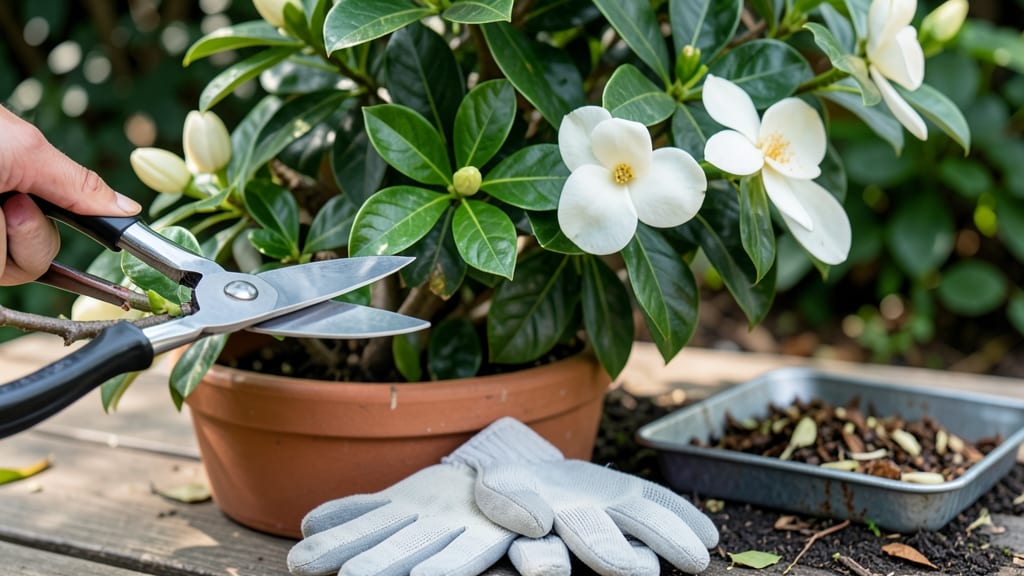
Pruning gardenia plants at the right time—late winter—sets the stage for abundant blooms and healthier growth, but timing it wrong can mean fewer flowers or even plant stress.
You’ve probably noticed your gardenia 🌸 sitting there after winter, looking a little ragged, and wondered if it’s too late to trim. The truth is, the late winter window (just before new growth starts) is your best shot at encouraging strong blooms without risking damage.
In Zone 6a and similar climates, that means pruning between February and early March, when the plant is still dormant but ready to wake up. Skip this step, and you might end up with leggy stems or missed flowering season—something no gardenia lover wants.
Below, I’ll walk you through the exact cues to watch for, the tools you’ll need, and how to avoid the three biggest pruning mistakes that sabotage blooms. Let’s get your gardenia ready for its showstopping spring display.
Best late winter pruning timeline for gardenias (with exact months)
Timing your gardenia pruning is everything—prune too early, and you’ll cut off next season’s blooms. Too late, and you risk pests or disease from old growth. Late winter is the sweet spot because gardenias are dormant, making them less stressed during pruning.
But the exact timing depends on your USDA zone and local climate.
In USDA zones 7-9, gardenias typically enter dormancy in late fall and wake up in early spring. For zones 10-11, dormancy is minimal, so focus on new growth cues instead of frost dates. Watch for bud formation or leaf sprouts—these signal it’s time to prune.
Pro tip: If your winter was unusually warm, your gardenia might wake up earlier than expected. Delay pruning until you see green buds or new shoots to avoid cutting off potential blooms.
In USDA zone 7, where winters are colder, aim for late February to early March. Look for last frost dates in your area—prune 2-3 weeks after to ensure no surprise frosts damage new growth.
If you’re in zone 8 or 9, you’ve got a longer window (mid-February to late March) because frosts are milder.
For zones 10-11, gardenias rarely enter true dormancy. Instead, prune in January or February when you spot green buds or new shoots. These tropical zones have no frost risk, so focus on removing dead wood and shaping the plant for airflow.
Warning: Never prune in fall—this removes next year’s flower buds and weakens the plant. Also, avoid pruning during summer blooming; gardenias set buds for next year’s flowers in late summer, so wait until winter.
If your gardenia is overgrown or leggy, you can do a light pruning in early spring (after blooms fade) to shape it, but never remove more than 1/3 of the plant in one session. This keeps the plant healthy and blooming without shock.
After pruning, give your gardenia a light fertilizer with high iron (like an azalea mix) to support new growth. Water deeply but avoid soggy soil, which can cause root rot. Mulch around the base to retain moisture and protect roots from temperature swings.
Remember, gardenias bloom on old wood, meaning next year’s flowers form on this year’s growth. Prune just enough to shape the plant and remove dead branches—don’t overdo it! With the right timing, your gardenia will reward you with fragrant blooms all summer long.
Step-by-Step late winter pruning guide for healthier gardenias
Late winter is the perfect time to prune your gardenias, as they enter dormancy after blooming season. This strategic timing helps stimulate new growth while removing dead or weak branches that can hinder flowering.
I’ve pruned my gardenias for years, and I’ve learned that clean cuts and proper shaping make all the difference in encouraging lush, fragrant blooms.
Before you grab your pruners, gather the right tools: sharp bypass pruners, sterilized alcohol wipes, and gardening gloves to protect your hands. I always sterilize my tools with rubbing alcohol to prevent spreading disease.
The goal is to shape your gardenia for airflow while removing up to one-third of the plant’s growth—never more, or you risk stunting next year’s blooms.
Step-by-Step Late Winter Pruning Guide
- 🌿 Step 1: Remove Deadwood – Cut out any brown, brittle, or diseased branches at the base with clean, angled cuts.
- ✂️ Step 2: Shape the Canopy – Thin out overcrowded branches to improve airflow and sunlight penetration.
- 🌱 Step 3: Prune for Blooms – Trim back last year’s growth by ⅓ to encourage new flowering stems.
- 💧 Step 4: Sterilize Tools – Wipe pruners with rubbing alcohol between cuts to prevent bacterial spread.
- ☀️ Step 5: Post-Pruning Care – Apply mulch around the base and water deeply to support recovery.
When pruning, always make cuts just above a leaf node or bud to encourage outward growth. I avoid cutting into old wood, as gardenias struggle to regrow from there.
For larger branches, use your pruners at a 45-degree angle about ¼ inch above a bud facing the outside of the plant. This technique promotes a fuller, bushier shape while keeping the center open for airflow.
After pruning, your gardenia will need extra care to bounce back strong. I recommend applying a layer of acidic mulch (like pine bark) around the base to retain moisture and mimic its natural soil conditions. Water deeply but avoid overwatering, as soggy soil can lead to root rot.
A light balanced fertilizer (like 10-10-10) in early spring will give your pruned gardenia the nutrients it needs to rebound with vibrant blooms.
One common mistake I see is pruning too late in winter, when new growth has already started. If you notice tender green shoots, hold off until after the last frost in your area.
In USDA Zones 7-11, late February to early March is ideal, but adjust based on your local climate. Patience here ensures your gardenia enters its blooming season with full energy and vigor.
With the right technique, your gardenia will reward you with abundant, fragrant flowers all summer long. I’ve seen my own gardenias go from sparse blooms to bushes of creamy white flowers simply by pruning at the right time and giving them proper aftercare.
Give it a try—your gardenia will thank you!