
Plants
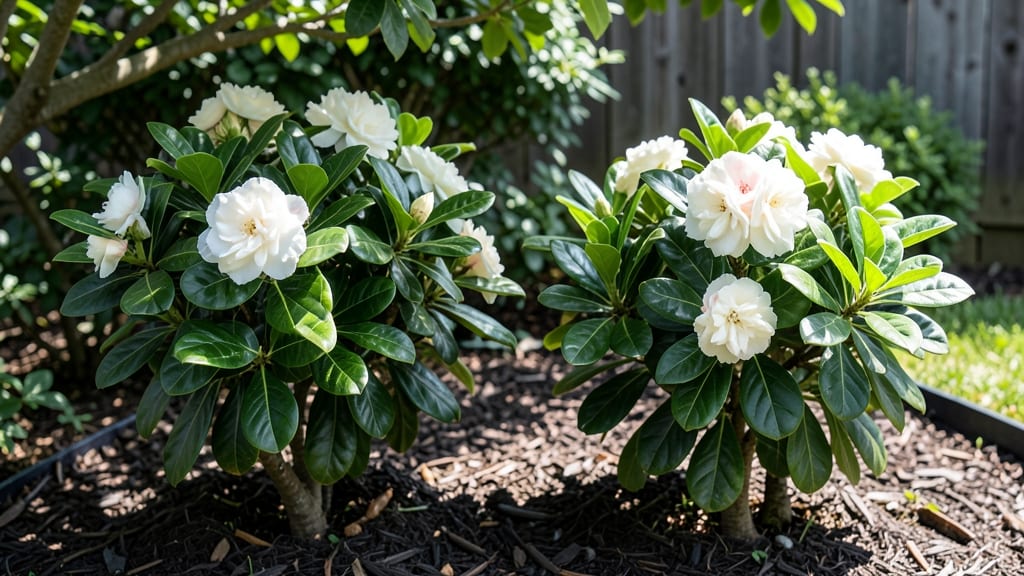
A gardenia plant thrives in partial shade with morning sun and afternoon shelter 🌸 — the difference between sparse blooms and a fragrant explosion.
Struggling to keep your gardenia blooming? The secret may lie in its light exposure — too much sun or too little shade can stifle those coveted fragrant flowers.
I’ve watched gardenias wilt under harsh afternoon rays and languish in deep shade, both leaving me wondering why my plant refused to cooperate.
Most gardeners assume these tropical beauties need full sun, but in reality, they prefer bright, indirect light for 4-6 hours daily. Too much direct sun causes leaf scorch, while too little shade leads to leggy growth and few blooms.
The key is finding that sweet spot where your gardenia gets enough light to thrive without burning out.
Below, I’ll break down exactly how to adjust your gardenia’s light exposure, spot signs of over- or under-lighting, and keep those fragrant blooms coming year after year — no guesswork required.
 Best Window Placement
Optimal sunlight requirements for gardenia plants to maximize blooms
Gardenia plants are famous for their glossy leaves and intense fragrance, but achieving those vibrant blooms depends heavily on getting their sunlight needs just right. Unlike sun-loving succulents, gardenias thrive in partial shade, where they receive filtered sunlight rather than harsh afternoon rays.
Understanding this balance is key to cultivating a healthy, flowering gardenia that will reward you with months of sweet-scented blooms.
The ideal sunlight exposure for gardenias is morning sun paired with afternoon shade. This setup mimics their natural habitat in tropical forests, where dappled light filters through the canopy. Too much direct sun can scorch their delicate leaves, while too little light reduces flower production.
By mastering this balance, you’ll encourage both leaf health and abundant blooming, making your gardenia a standout in your garden or patio.
| Light Condition | Sunlight Hours | Best For | Climate Adjustments |
|---|---|---|---|
| Partial Shade | 4-6 hours/day | Year-round blooms, leaf health | Use sheer curtains in hot climates |
| Morning Sun | 2-4 hours (before 10 AM) | Bright foliage, strong stems | Move pots to shade after 10 AM |
| Afternoon Shade | Protect from 12 PM - 4 PM | Prevent leaf burn, retain moisture | Use lattice or trees for shade |
| Full Shade | <3 hours/day | Leggy growth, fewer blooms | Supplement with grow lights |
| Direct Sun | >6 hours/day | Leaf scorch, stress | Avoid in hot climates (Zones 8+) |
In cooler climates (Zones 6-7), gardenias can handle slightly more morning sunlight because the air remains cooler, reducing the risk of leaf burn. Aim for 4-5 hours of morning sun and supplement with dappled shade from nearby trees or a sheer curtain.
This setup ensures your gardenia gets enough energy for photosynthesis while avoiding the intense midday sun that can damage its leaves.
For warmer climates (Zones 8-10), afternoon shade becomes even more critical. The combination of high UV rays and hot temperatures can cause leaf scorch or wilting within hours.
If you're growing gardenias in containers, move them to a shadier spot by noon or use a lightweight shade cloth with 30-50% coverage. This simple adjustment can mean the difference between a thriving plant and one struggling to survive.
Scientifically, gardenias rely on photosynthesis to produce energy, but their chlorophyll is sensitive to prolonged direct sunlight. When exposed to too much sun, their leaves produce excess ethylene, a hormone that triggers leaf senescence (aging) and flower drop.
Conversely, insufficient light leads to weak stems and sparse blooming because the plant diverts energy to leaf growth rather than flower production. The sweet spot is bright, indirect light, which fuels both foliage and flower development.
If you're growing gardenias in containers, their sunlight needs change slightly due to limited root space. Potted gardenias benefit from morning sun on a patio or deck but should be moved to a shadier indoor spot (like a bathroom with a window) during peak afternoon heat.
Rotate the pot every few weeks to ensure even light exposure, preventing the plant from leaning toward the sun and becoming leggy or top-heavy.
One common mistake gardeners make is assuming all shade-tolerant plants thrive in deep shade. While gardenias can tolerate light shade, they still need some direct sunlight to produce flowers.
If your gardenia is growing in a fully shaded area, supplement with a grow light for 4-6 hours daily during the growing season. This mimics natural light conditions and encourages bloom initiation, even in low-light environments.
To maximize blooms, time your gardenia’s sunlight exposure with its growth cycle. In spring and early summer, when new growth is emerging, provide slightly more light (up to 5 hours of morning sun) to strengthen stems.
As summer progresses and temperatures rise, shift to more afternoon shade to protect the plant from stress. This gradual adjustment helps your gardenia transition smoothly between seasons while maintaining its fragrance and flower production.
Pro tip: Observe your gardenia’s leaves for clues about its light needs. Dark green, glossy leaves indicate ideal light conditions, while pale or yellowing leaves suggest too much shade. Conversely, brown or crispy leaf edges mean it’s getting too much sun.
By paying attention to these visual cues, you can fine-tune your gardenia’s placement and ensure it stays healthy and abundantly blooming throughout the year.
Signs your gardenia needs more sun or shade (and how to fix it)
If your gardenia plant is struggling to bloom or showing signs of stress, improper light exposure is often the culprit. Gardenias thrive in partial shade but can suffer from too much direct sun or insufficient light.
I’ve seen gardeners miss these subtle clues, leading to weak growth or no flowers at all. Let’s diagnose the problem together so you can restore your gardenia’s health and fragrance.
Start by observing your plant’s leaves and blooms. Yellowing leaves, sparse flowering, or crispy edges are classic signs your gardenia isn’t getting the right balance of sun and shade.
Even the soil moisture can change based on light exposure—too much sun dries out roots faster, while too little shade can lead to leggy, weak stems. The good news? Adjusting light conditions is one of the easiest fixes for a struggling gardenia.
⚠️ Warning: Overlooking Light Needs Can Kill Your Gardenia
Too much sun causes leaf burn (brown, crispy edges) and wilting, while too little light leads to yellow leaves, fewer blooms, and leggy growth. Both extremes stress the plant, making it vulnerable to pests and disease. Act now—move your gardenia to a bright, indirect spot (e.g., east-facing window or dappled shade outdoors) and monitor for improvement in 2-4 weeks.
Let’s break down the key symptoms of light-related stress. If your gardenia’s leaves are turning yellow between veins, it’s likely getting too much shade. This is called chlorosis, a sign the plant isn’t getting enough sunlight for photosynthesis.
On the flip side, if you notice brown patches or scorch marks on leaves, your gardenia is suffering from excessive sun exposure. Both issues can be fixed with simple adjustments to its location.
Another red flag? Sparse or no blooms. Gardenias need a balance of light and shade to trigger flowering. If your plant is sitting in a deep shade spot, it may not have enough energy to produce flowers.
Move it to a location with morning sun and afternoon shade—this mimics its natural habitat in tropical forests. For container gardenias, rotate the pot every few weeks so all sides get even light exposure.
Don’t forget to check the soil and roots. Overly dry soil in full sun can cause roots to retract, while soggy soil in low light leads to root rot. If you’re adjusting light exposure, also tweak your watering schedule.
Gardenias in more sun need frequent, deep watering, while those in shade can go slightly longer between waterings. Use your finger to test soil moisture—it should feel damp but not waterlogged.
For a quick fix, try this 3-step diagnostic checklist: 1. Observe leaf color: Yellow between veins = more sun; brown edges = less sun. 2. Check bloom frequency: Fewer than 5 blooms per season?
Adjust light. 3. Test soil moisture: Dry crust on top? Increase shade; mushy soil? Add sun. With these adjustments, your gardenia should show signs of recovery in 4-6 weeks, including glossier leaves and more buds.
Remember, gardenias are adaptable but need consistency. If you’ve recently moved your plant, give it 2 weeks to adjust before expecting major improvements. And if all else fails, consider a light meter (around $20) to measure exact light levels—ideal gardenia light is 1,000-2,000 foot-candles of bright, indirect light.
Your efforts will pay off with lush foliage and intoxicating blooms! 🌸