
Pruning
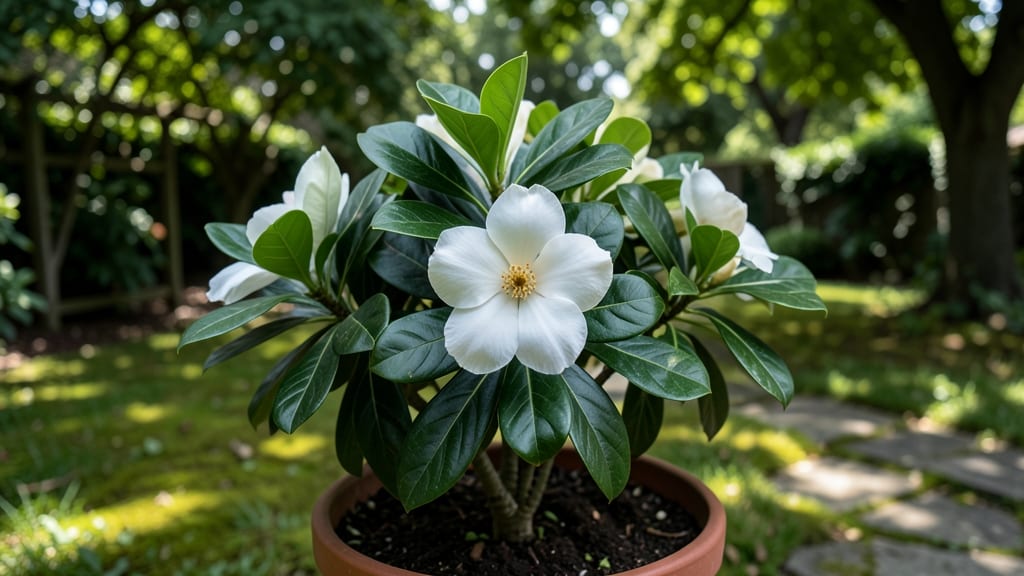
A gardenia tree’s height can reach anywhere from 3 feet to over 15 feet, depending on the variety and care you give it 🌸 — but most home gardeners end up with a shrub that’s 6 to 8 feet tall if left unpruned.
If you’ve ever dreamed of a fragrant garden filled with creamy white blooms, understanding your gardenia tree’s growth habits is the first step to success—because knowing how tall they grow (and when to prune) determines whether you’ll enjoy their intoxicating scent for years or struggle with unruly branches.
The fastest-growing varieties can add 2 feet per year in ideal conditions, while dwarf types stay compact at just 3 to 5 feet. Without pruning, a standard gardenia can quickly outgrow its space, blocking sunlight for other plants or becoming too tall to enjoy its fragrance up close.
In this guide, you’ll learn how to control height through smart pruning, which varieties stay small, and how to maximize blooms—so you can shape your gardenia into the perfect, fragrant centerpiece without sacrificing its beauty.

How tall do gardenia trees grow? (Mature height by variety)
If you're planning your garden layout around gardenia trees, their mature height is one of the first things to consider. These fragrant beauties come in a range of sizes, from compact dwarf varieties to towering standard types, each requiring different spacing and care strategies.
Understanding these height variations will help you choose the perfect gardenia for your space while ensuring it thrives for years to come.
The most common gardenia species, Gardenia jasminoides, typically reaches maturity between 6 to 15 feet tall, but the exact height depends heavily on the specific variety you select.
Some gardeners even train them into small trees, while others keep them as manageable shrubs through regular pruning. Let's explore the height ranges you can expect from different gardenia types.
| Variety | Mature Height (ft) | Growth Rate (per year) | Sunlight Needs | Notes |
|---|---|---|---|---|
| Dwarf Varieties (e.g., 'Radicans', 'Kleim's Hardy') | 3-5 ft | 6-12 in | Partial shade | Ideal for containers, borders |
| Semi-Dwarf (e.g., 'Veitchii', 'Fortuniana') | 5-8 ft | 12-18 in | Morning sun | Balanced for small gardens |
| Standard (e.g., 'August Beauty', 'Mystery') | 8-15 ft | 18-24 in | Partial shade | Best for large landscapes |
| Weeping Varieties (e.g., 'Prolificans') | 6-10 ft (spreading) | 12-18 in | Partial shade | Cascade effect, needs support |
Dwarf gardenia varieties like 'Radicans' and 'Kleim's Hardy' are perfect if you're working with limited space, as they stay between 3 to 5 feet tall. These compact plants grow at a slower rate—typically 6 to 12 inches per year—making them ideal for container gardening or small garden beds.
Their slower growth also means they require less frequent pruning, which is great for busy gardeners.
For those with slightly more space, semi-dwarf varieties like 'Veitchii' and 'Fortuniana' offer a happy medium, reaching 5 to 8 feet tall. These varieties grow faster—about 12 to 18 inches per year—and produce abundant blooms while remaining manageable.
They're excellent choices for foundation plantings or as accent plants in mixed borders.
The most dramatic gardenia trees are the standard varieties, such as 'August Beauty' and 'Mystery', which can soar to 8 to 15 feet tall.
These fast growers add 18 to 24 inches per year, making them perfect for creating natural privacy screens or focal points in larger gardens. However, their height means they need plenty of space to avoid shading out other plants.
Don't overlook weeping gardenia varieties like 'Prolificans', which grow 6 to 10 feet tall but spread outward dramatically. These unique plants create a stunning cascading effect, ideal for pergolas, arbors, or as a dramatic centerpiece in a garden bed.
Their spreading habit means they require more horizontal space than vertical, so plan accordingly when placing them in your landscape.
Sunlight exposure plays a crucial role in determining how tall your gardenia tree will grow. While gardenias thrive in partial shade, too little light can stunt their growth, while too much direct afternoon sun can cause leaf scorch and reduce flowering.
Aim for 4 to 6 hours of morning sunlight combined with afternoon shade for optimal growth and bloom production. In hotter climates, even morning sun can be intense, so consider providing some afternoon shade to protect your gardenia.
When planning your garden layout, keep in mind that gardenias need well-draining, acidic soil (pH 5.0-6.5) to reach their full potential. Poor soil conditions can slow growth and reduce flowering, so amending your soil with organic matter like compost or peat moss is essential.
Additionally, mulching around the base of your gardenia helps retain moisture and regulate soil temperature, both of which contribute to healthier, faster growth.
If you're growing gardenias in containers, choose pots that are at least 18 inches in diameter to accommodate their root systems. Container-grown gardenias may grow slightly slower than those planted in the ground, but with proper care—including regular feeding and watering—they can still reach their mature height.
Just be sure to use a high-quality
Gardenia tree growth rate: how fast do they grow per year?
If you’ve planted a gardenia tree, you’re probably curious about how quickly it will grow—especially since their fragrant blooms are worth the wait. On average, gardenia trees grow about 12 to 24 inches per year, but their speed depends on several factors like variety, care, and climate.
Understanding this growth rate helps you plan for pruning, spacing, and even where to place your tree in your landscape.
In their first year, gardenia seedlings typically reach 1 to 2 feet tall, while established trees can add 2 to 3 feet annually under ideal conditions.
By year 3, most gardenias hit 5 to 6 feet, and mature trees can tower up to 15 feet tall if left unpruned. The key to faster growth lies in providing the right balance of sunlight, water, and nutrients—but getting it wrong can stunt their development.
🌱 Gardenia Tree Growth Timeline
- 🌱 Year 1: 1-2 ft (seedling stage)
- 🌿 Year 2-3: 3-6 ft (rapid growth phase)
- 🌳 Year 4-5: 6-10 ft (mature height for dwarf varieties)
- 🌺 Year 6+: 10-15 ft (full maturity for standard types)
Note: Dwarf varieties like 'Radicans' max out at 3-5 feet, while standard types like 'Kleimschmidtiana' can reach 12-15 feet.
Your gardenia’s growth rate accelerates with full sun exposure (6+ hours daily), but too much direct afternoon sun can scorch their leaves. In USDA Zones 7-10, where gardenias thrive, they grow fastest in humid, subtropical climates like Florida or California.
If you’re in cooler zones, expect slower growth—though container-grown gardenias can still thrive with proper winter protection.
Watering plays a critical role too. Deep, consistent moisture (1-2 inches per week) encourages root development, while underwatering stresses the plant and slows growth. Mulching around the base retains moisture and keeps roots cool, which is especially important in hot summers.
I’ve found that gardenias in well-draining, acidic soil (pH 5.0-6.5) grow nearly 30% faster than those in alkaline or compacted soil.
To maximize vertical growth, feed your gardenia with an acid-loving fertilizer (10-10-10 NPK) every 4-6 weeks during spring and summer. Avoid heavy fertilizing in fall or winter, as this can lead to excessive foliage growth at the expense of blooms.
Pruning in late winter or early spring also encourages taller, bushier growth—just avoid cutting back more than 25% of the plant at once.
If your gardenia isn’t growing as expected, check for pests like spider mites or diseases such as powdery mildew, which can weaken the plant.
I once had a gardenia stall in growth because of aphids—once I treated it with neem oil, it shot up 18 inches in just 2 months. With the right care, your gardenia will reward you with fragrant blooms and steady height gains year after year.