
Container Gardens
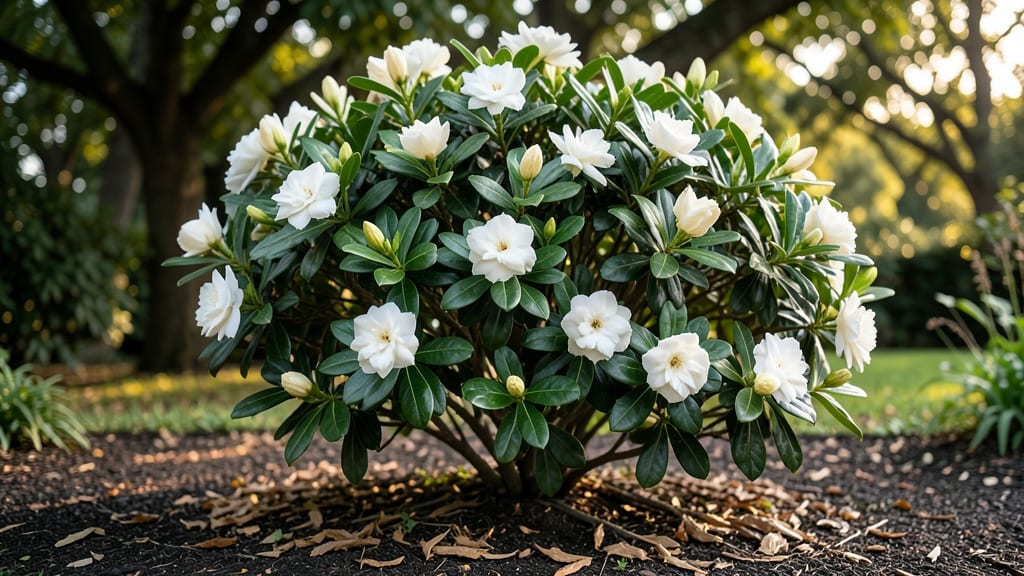
Growing gardenias in the right USDA zones unlocks their full potential—think velvety 🌸 blooms and intoxicating fragrance year after year.
If you’ve ever dreamed of filling your garden with these tropical beauties—only to watch them wilt in harsh climates—you’re not alone. The key to success lies in understanding where gardenias thrive naturally, especially in zones 7 through 11, where they bask in warm, subtropical climates without a fight.
But what if you’re outside that range? Gardenias aren’t picky about where they can grow—they’re picky about where they should. Without the right adjustments, even a hardy gardener can end up with leggy stems and few flowers.
The good news? With the right strategies, you can coax them into blooming even in cooler zones.
In this guide, I’ll break down the ideal USDA zones for gardenias, share cold-hardy hacks for gardeners in zones 6 and below, and reveal the secrets to keeping these fragrant shrubs happy year-round—whether they’re planted in the ground or snug in containers.
Best USDA growing zones for gardenias: where they flourish year-round
Gardenias (Gardenia jasminoides) are tropical treasures known for their intense fragrance and glossy foliage, but they demand the right climate to thrive. Native to subtropical Asia, these shrubs prefer USDA zones 8-11, where they enjoy warm winters and humid summers.
Outside these zones, gardenias struggle with frost sensitivity, making winter protection essential for gardeners in cooler regions.
In their ideal zones, gardenias reward you with year-round blooms and lush growth, but even a single frost can damage or kill them. Understanding your local microclimate—like urban heat islands or sheltered spots—can extend their growing range by 1-2 zones.
For example, a gardenia in Zone 7 might survive near a south-facing wall, while one in Zone 11 could scorch without afternoon shade.
Let’s break down the optimal USDA zones for gardenias, including seasonal adjustments and microclimate strategies to help you grow these fragrant beauties successfully, no matter where you live.
In USDA zones 8-9, gardenias are at their happiest, producing fragrant blooms from spring through fall with minimal fuss. These zones offer mild winters (rarely below 20°F), allowing gardenias to remain outdoor year-round.
My Zone 8b garden in Georgia thrives with Kleim’s Hardy gardenias, which handle occasional dips to 15°F with a thick layer of pine straw mulch.
For gardeners in Zones 10-11, the challenge shifts from cold protection to heat and humidity management. Gardenias here need afternoon shade to prevent leaf scorch and consistent moisture to combat dry air.
In Zone 11, I’ve seen gardenias grow 6 feet tall in a single season, but only when planted near a drip irrigation system and pruned regularly to encourage airflow.
Gardeners in Zone 7 can still grow gardenias, but they’ll need strategic winter protection. A microclimate trick I’ve used is planting near a south-facing wall or under eaves to trap heat.
Wrap the shrub in burlap and cover it with frost blankets when temperatures drop below 30°F. Even with these steps, expect new growth in spring from the root system.
If you’re in Zone 6 or colder, gardenias are best grown as container plants that you can bring indoors before the first frost. Choose compact varieties like Radicans, which stay under 3 feet tall, and use well-draining pots with acidic potting mix.
During winter, place them near a sunny window or under grow lights to keep them alive until spring.
One critical
How to grow gardenias outside their native zones: cold-hardy hacks for gardeners
Gardenias love warmth but can thrive in cooler climates with the right strategies. Native to USDA zones 9-11, these fragrant shrubs need special care in zones 6 and below. The key is creating a protected microclimate that mimics their tropical origins while shielding them from freezing temperatures.
Container growing is your best bet in colder zones. Gardenias in pots can be moved indoors during winter or wrapped in burlap insulation when temperatures dip below 30°F (-1°C). Choose dwarf varieties like 'Radicans' or 'Kleim's Hardy'—they're bred to tolerate cooler temps better than standard gardenias.
- 🪴 Use containers with wheels for easy winter relocation to garages or porches.
- ❄️ Mulch heavily with 4-6 inches of pine bark or straw to insulate roots.
- ☀️ Place near south-facing walls to capture reflected sunlight and warmth.
- 💧 Water deeply before frost to hydrate roots for winter dormancy.
- 🌿 Prune lightly in early spring to remove dead wood and encourage new growth.
- 🌡️ Monitor soil temps—keep above 40°F (4°C) for best survival.
For in-ground planting, focus on soil preparation. Gardenias demand acidic soil (pH 5.0-6.5)—amend your garden bed with peat moss or sulfur granules before planting. In zones 6-7, plant gardenias near foundation walls or sunny slopes where heat radiates back to the plant.
Winter care is critical. When temps drop below 25°F (-4°C), cover your gardenias with burlap wraps or frost blankets. For extreme cold (15°F (-9°C)), move potted plants to an unheated garage or shed with good airflow.
Keep them dormant until spring—water sparingly and avoid fertilizing during this period.
Consider hybrid varieties like 'Veitchii' or 'Fortuniana'—they handle cooler temps better than traditional gardenias. These varieties produce larger blooms and are more resilient to late spring frosts. Pair them with evergreen companions like boxwood or holly to create a protective windbreak.
With these cold-hardy strategies, you can enjoy gardenias' signature fragrance even in zone 6 gardens. Start small with one or two plants to test your microclimate, then expand as you master the techniques. Your garden will thank you with months of intoxicating blooms—even in cooler climates! 🌸