
Light Requirements
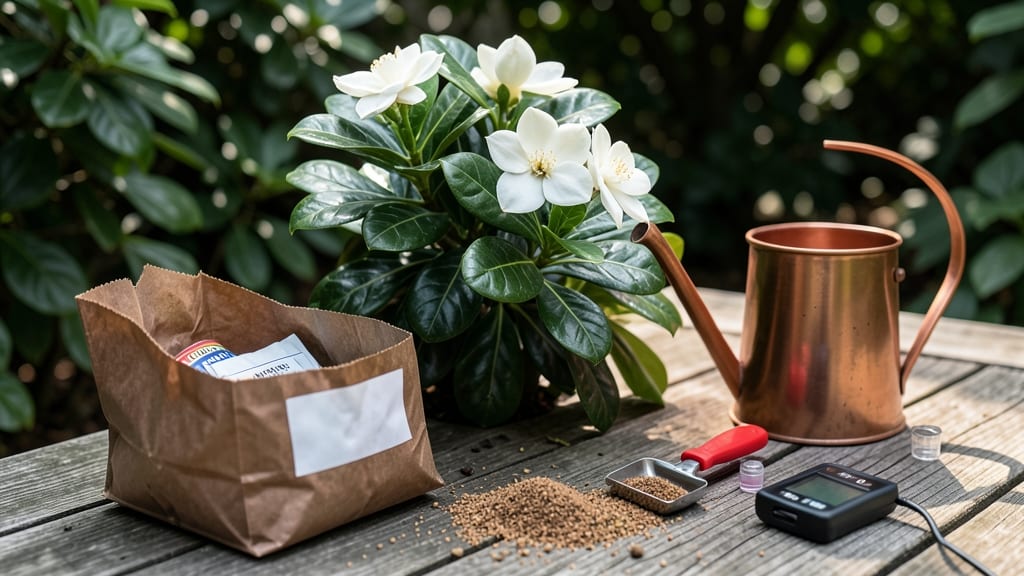
Understanding the gardenia fertilizer requirements is the key to coaxing those fragrant gardenia blooms 🌸—and skipping this step means your plant will struggle to thrive.
Picture this: You’ve nurtured your gardenia for months, but it throws out leaves instead of flowers. The issue isn’t water or light—it’s the soil’s acidity and nutrient balance. Gardenias are picky eaters, demanding a precise mix of nutrients to reward you with those iconic white blossoms.
In this guide, I’ll walk you through the exact fertilizer types your gardenia craves, how often to feed it without burning the roots, and the simple tweaks that turn a struggling shrub into a blooming superstar. No guesswork—just science-backed tips for lush, fragrant gardenias year-round.
You’ll also learn the three biggest mistakes that kill gardenias (and how to fix them fast), plus a foolproof seasonal schedule so you never over- or under-fertilize again.

Optimal fertilizer types for gardenias: acidic nutrients that boost blooms
Gardenias thrive when their acidic soil is rich in the right nutrients. These tropical beauties need a balanced fertilizer with specific ratios to encourage lush foliage and abundant blooms. Without proper nutrition, your gardenia may produce fewer flowers or develop yellow leaves—a clear sign of deficiency.
Let’s break down the NPK ratios and micronutrients that will transform your gardenia from struggling to stunning.
The key to fertilizing gardenias lies in understanding their nutrient preferences. Unlike many plants, gardenias crave low nitrogen during flowering seasons to avoid leafy growth at the expense of blooms.
Instead, they need a phosphorus-rich fertilizer to support root development and flower production. Potassium also plays a critical role in strengthening the plant’s resistance to diseases and environmental stress.
Here’s a quick reference for the ideal fertilizer ratios and micronutrients your gardenia needs to thrive:
| Nutrient | Recommended Ratio/Amount | Best Application Time | Purpose |
|---|---|---|---|
| Nitrogen (N) | 6-8% | Spring (light doses) | Encourages foliage growth (avoid overuse) |
| Phosphorus (P) | 6-10% | Spring to early summer | Boosts root development and blooms |
| Potassium (K) | 6-8% | Summer to fall | Strengthens disease resistance |
| Iron (Fe) | 10-20 ppm (chelated) | Year-round (foliar spray) | Prevents yellowing leaves (chlorosis) |
| Magnesium (Mg) | 1-2 grams per gallon | Spring and fall | Supports chlorophyll production |
| Sulfur (S) | 1-2 tbsp per plant | Early spring | Maintains soil acidity (pH 5.0-6.5) |
For gardeners who prefer organic fertilizers, options like fish emulsion, composted manure, or worm castings work wonders. These provide a slow-release of nutrients while improving soil structure.
I’ve had great success using a mix of alfalfa meal (for nitrogen) and bone meal (for phosphorus) in early spring to kickstart growth.
On the other hand, synthetic fertilizers like Miracle-Gro Azalea, Camellia, and Rhododendron are formulated specifically for acid-loving plants. These are convenient for quick results, but always follow the instructions to avoid over-fertilizing. A slow-release granular fertilizer applied in early spring can provide steady nutrition all season long.
Micronutrients like iron and magnesium are often overlooked but critical for gardenias. A deficiency in iron, for example, causes yellowing leaves with green veins—a classic sign of chlorosis.
To fix this, use an iron chelate spray or add Epsom salt (magnesium sulfate) to the soil. I’ve seen gardenias recover dramatically within weeks after addressing these deficiencies.
When applying fertilizer, always water the soil first to prevent root burn. Aim for a 1-inch deep watering before and after fertilizing. For container-grown gardenias, dilute the fertilizer to half-strength to avoid salt buildup, which can harm roots.
Remember, less is more—over-fertilizing can lead to salt buildup, leaf burn, and even plant death.
In my experience, the best time to fertilize gardenias is in early spring as new growth begins. A second application in early summer can encourage a second flush of blooms. Always avoid fertilizing in winter, as the plant is dormant and won’t benefit from additional nutrients.
By following these guidelines, your gardenia will reward you with glossy leaves and fragrant blooms
Step-by-Step guide: when and how to fertilize gardenias for year-round growth
Fertilizing your gardenia correctly is the key to unlocking those scented, glossy blooms you adore. These acid-loving shrubs thrive on a seasonal feeding schedule that matches their natural growth cycles. Whether you’re using store-bought fertilizers or DIY organic blends, timing and technique matter more than you might think.
Let’s dive into the exact steps to keep your gardenia lush and flowering year-round.
First, understand that gardenias need nutrient-rich, acidic soil with a pH between 5.0 and 6.5. If your soil is too alkaline, your plant will struggle to absorb nutrients, no matter how much fertilizer you apply.
Test your soil before you start—this simple step saves time and frustration. Once you’ve confirmed the pH, you’re ready to feed your gardenia the right way.
🌱 Step-by-Step Fertilization Guide for Gardenias
-
📅 Step 1: Spring Feeding (March-May)
Apply a balanced fertilizer (6-6-6 or 8-3-9) with high iron content to kickstart growth. Use 1 tbsp per small shrub or 1 cup per 10 sq ft for established plants. Water thoroughly after application.
-
🌞 Step 2: Summer Light Feeding (June-August)
Switch to a low-nitrogen fertilizer (e.g., 3-4-6) to encourage flowering over leafy growth. Feed every 6-8 weeks and avoid fertilizing in extreme heat to prevent stress.
-
🍂 Step 3: Early Fall Boost (September)
Give your gardenia a light organic feed (e.g., fish emulsion or compost tea) to strengthen roots before winter. Stop fertilizing by October to allow the plant to harden off.
-
❄️ Step 4: Winter Dormancy (November-February)
Skip fertilization entirely in Zones 8 and colder. In Zones 9-11, a very light feed (e.g., diluted seaweed extract) can support mild growth, but avoid heavy fertilizers.
-
💧 Step 5: Application Techniques
For soil application, scatter granules around the drip line (not the trunk) and water in. For foliar feeding, use a seaweed or fish emulsion spray in the morning to avoid fungal issues.
-
🌿 Step 6: DIY Organic Fertilizer Recipes
Recipe 1: Mix 1 part cottonseed meal (for nitrogen) + 1 part bone meal (for phosphorus) + 1 part peat moss (for acidity). Apply 2 tbsp per plant every 8 weeks.
Recipe 2: Brew compost tea (steep compost in water for 24 hours) and use as a foliar spray or soil drench monthly.
Watch for signs of over-fertilization, like yellowing leaves, leaf drop, or burnt root tips. If you see these, flush the soil with water to leach excess salts.
On the flip side, under-fertilization shows up as stunted growth, fewer blooms, or pale foliage. Adjust your feeding schedule accordingly—gardenias are heavy feeders but hate excess nutrients.
Pro tip: Pair your fertilization routine with regular pruning (after blooming) and mulching with pine bark to maintain soil acidity. This combo keeps your gardenia thriving with minimal effort and maximum fragrance. With these steps, you’ll enjoy year-round blooms that’ll make your garden the envy of the neighborhood! 🌸