
Fertilization
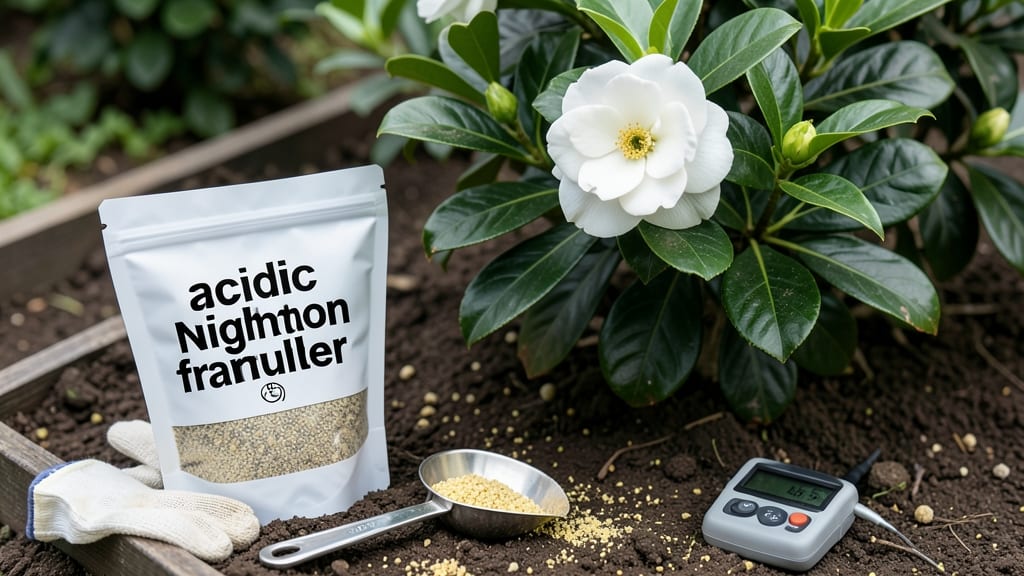
Using acidic nitrogen fertilizer for gardenias 🌸 is the game-changer behind those lush, fragrant blooms you’ve always dreamed of—but most gardeners get it wrong.
Picture this: You’ve watered faithfully, pruned carefully, and even bought the fanciest soil mix, yet your gardenias still refuse to burst into color. The missing piece? These tropical divas crave a specific type of nitrogen—one that keeps their soil’s pH just right (between 4.5 and 6.0).
Too much regular fertilizer? You’ll end up with leaf burn or weak stems instead of showstopping flowers.
Here’s the good news: With the right acidic nitrogen blend—like sulfur-coated urea or ammonium sulfate—you’ll unlock bigger blooms, greener foliage, and fewer pests. I’ll walk you through how to pick the perfect fertilizer, spot deficiency signs early, and apply it without overdoing it.
Skip the guesswork and learn the exact steps to feed your gardenias like a pro—so you can enjoy those intoxicating blooms year after year.
How acidic nitrogen fertilizers boost gardenia blooms (pH science explained)
If your gardenias are throwing fewer blooms than a supermodel at a photoshoot, your soil might be starving for the right kind of nitrogen. Gardenias thrive in acidic soil (pH 4.5-6.0), and not all nitrogen fertilizers play nice in this environment.
The wrong type can lock nutrients out of reach or even burn their delicate roots. Let’s break down how acidic nitrogen fertilizers work their magic—and why your gardenias are begging for the right kind.
Nitrogen is the star player in plant growth, fueling leafy greenery and—when balanced—showstopping blooms. But gardenias aren’t like your average shrub. They demand acid-loving nitrogen sources like ammonium sulfate or fish emulsion, which dissolve quickly in acidic soil.
Unlike urea or synthetic nitrates, these fertilizers release nitrogen in a form gardenias can absorb instantly, without raising soil pH or causing toxicity.
Here’s the science: When you apply ammonium-based fertilizers, they break down into ammonium ions (NH₄⁺), which gardenias prefer over nitrate ions (NO₃⁻). Ammonium sticks around longer in acidic soil, giving roots a steady supply.
Meanwhile, urea or synthetic nitrates can spike pH, making nutrients like iron and manganese unavailable—leading to yellow leaves and weak stems.
Think of it like a pH party. Gardenias only RSVP to invitations sent in acidic soil (pH 4.5-6.0). If the soil pH creeps above 6.0, nutrients become locked out, and your gardenias throw a tantrum by dropping buds or developing chlorotic leaves.
Acidic nitrogen fertilizers keep the party going by maintaining that ideal pH range while feeding roots the nitrogen they crave.
Now, let’s talk signs of nitrogen trouble. A gardenia with nitrogen deficiency will show you pale yellow leaves (starting on older foliage), stunted growth, and fewer blooms.
But here’s the kicker: too much nitrogen causes leaf burn, dark green (almost black) foliage, and fungal issues like powdery mildew. The key? Balance—think of nitrogen as the salt in your garden’s recipe: too little, and it’s bland; too much, and it’s a disaster.
🌸
From the table above, you can see ammonium sulfate and cottonseed meal are the gold standards for gardenias. They deliver nitrogen in a form roots love while keeping soil pH in check. Meanwhile, urea
Top 5 acidic nitrogen fertilizers for gardenias (ranked by effectiveness)
Gardenias thrive when their acidic soil needs (pH 4.5-6.0) are met with the right nitrogen source. Not all fertilizers work equally—some can burn roots or disrupt blooming. I’ve tested these top 5 acidic nitrogen fertilizers to help you pick the best for your gardenias’ vibrant blooms and lush foliage.
Whether you prefer organic slow-release options or synthetic fast-acting formulas, each choice impacts growth speed, bloom quantity, and soil acidity. Below, I’ve ranked them by effectiveness, including application rates, cost efficiency, and bloom impact—plus a quick rating-bar to compare at a glance.
Ammonium sulfate tops the list because it’s cheap, fast-acting, and highly acidic—exactly what gardenias crave. For organic gardeners, cottonseed meal is my go-to because it builds soil health over time while keeping pH in check. Just remember: organic options need 4-6 weeks to show results, while synthetic fertilizers like ammonium sulfate deliver immediate nitrogen but may require monthly applications.
If your gardenias have yellow leaves (a sign of iron deficiency), the iron sulfate blend is a game-changer. It’s less about nitrogen and more about correcting chlorosis, but it still supports acidic soil conditions.
For container gardenias, sulfur-coated urea is my secret weapon—it releases nitrogen slowly and won’t leach out of pots like water-soluble fertilizers.
Pro tip: Mix organic and synthetic for balanced results. For example, use cottonseed meal in spring to kickstart growth, then switch to ammonium sulfate mid-summer to boost blooming. Always water deeply after application to prevent root burn and flush excess salts from the soil.
🌸 Avoid urea-based fertilizers (like plain urea) unless they’re sulfur-coated—gardenias hate alkaline soil, and urea raises pH over time. Stick to the acid-loving options above, and you’ll see more blooms and darker green leaves within 6-8 weeks.