
Fertilization
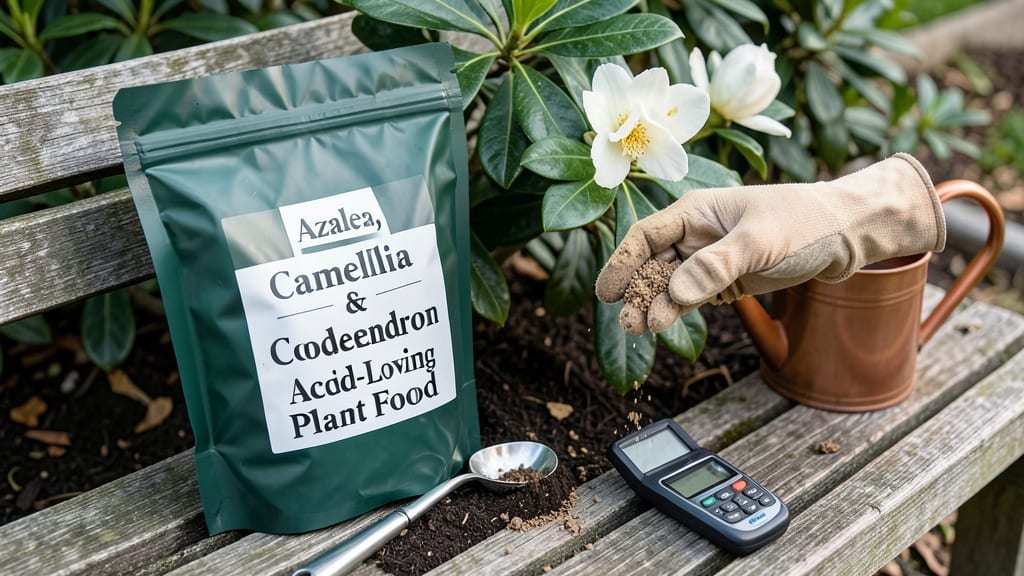
Fertilizing gardenias 🌸 every 4–6 weeks during active growth is the secret to those lush blooms and glossy leaves you crave.
Picture this: You’ve spent months nurturing your gardenia, only for the flowers to fade early or the leaves to yellow—signs it’s either starving or drowning in too much food. The right schedule makes all the difference, and it’s simpler than you think.
These fragrant shrubs thrive on a seasonal rhythm, from light feeds in spring to a complete break in winter. I’ll walk you through the exact timing, the best fertilizer types, and how to spot when your gardenia is begging for a break—or a boost.
By the end, you’ll know not just how often to fertilize, but when to pause and what to watch for. No more guesswork, just blooms that last and foliage that shines.

Optimal fertilization frequency for gardenias by season
Gardenias thrive with a seasonal fertilization schedule that matches their natural growth cycles. Unlike many plants, they need less frequent feeding but benefit from nutrient-rich applications during active growth. The key is balancing nitrogen for foliage and phosphorus for blooms while avoiding over-fertilization, which can burn roots or reduce flowering.
Most gardeners make the mistake of fertilizing year-round, but gardenias actually enter dormancy in fall/winter. This means you should pause feeding entirely from November through February unless you're in a frost-free zone.
Even then, a light organic top-dressing in late winter is safer than heavy applications. Let's break down the ideal schedule by season.
🌱 Did You Know? Gardenias are acid-loving plants that prefer soil pH between 5.0-6.0. A simple soil test can reveal if your gardenia needs additional sulfur or organic matter to maintain optimal acidity before fertilizing.
| Season | Fertilization Frequency | Fertilizer Type | Key Focus | Notes |
|---|---|---|---|---|
| Early Spring (March) | Once | Balanced (6-6-6) or Organic | Root Stimulation | Light feeding after pruning |
| Late Spring (April-May) | Every 6-8 weeks | Bloom Booster (10-10-10) | Flower Production | Apply when buds form |
| Summer (June-August) | Every 8 weeks | Slow-Release Granules | Maintenance | Reduce nitrogen in late summer |
| Fall (September-October) | None | N/A | Dormancy Prep | Stop feeding 6 weeks before frost |
| Winter (November-February) | None | N/A | Dormancy | Only water to prevent soil dryness |
In early spring, gardenias need a light feeding to stimulate new growth after winter dormancy. I recommend using a balanced fertilizer (6-6-6) or organic options like compost tea.
This is the perfect time to prune dead branches and apply fertilizer to the soil surface, then water thoroughly to activate nutrients. For potted gardenias, reduce the amount by half to avoid salt buildup.
During late spring and summer, switch to a phosphorus-heavy fertilizer (10-10-10) to encourage blooming. Gardenias produce their most fragrant flowers from May through July, so timing your feedings to coincide with bud formation is critical.
I've found that organic fish emulsion works wonders for established plants, while slow-release granules are ideal for container gardenias that need less frequent maintenance.
One common mistake is over-fertilizing in late summer, which can lead to excessive leafy growth at the expense of blooms. By reducing nitrogen in August, you signal the plant to focus on root strengthening rather than foliage production. This preparation helps gardenias enter dormancy more smoothly when fall arrives.
For organic gardeners, I recommend using composted pine needles or cottonseed meal to maintain soil acidity while providing slow-release nutrients. These options are particularly effective in southern climates where gardenias grow year-round. Always water before fertilizing to prevent root burn, especially with synthetic granules.
If you're using synthetic
Signs your gardenias need fertilizer (and when to stop)
Your gardenias send clear signals when they’re hungry for nutrients—but many gardeners miss these subtle cues. Yellowing leaves, sparse blooms, or stunted growth often mean it’s time to feed them. Understanding these visual stress signals helps you adjust fertilization without overdoing it.
Gardenias thrive on a balanced NPK ratio (like 6-6-6) but react poorly to excess salts or alkaline soil. Leaf burn or crispy edges? That’s a classic over-fertilization warning.
Meanwhile, pale green leaves or slow growth scream for more nutrients. Let’s decode these signs so you can keep your gardenias blooming beautifully.
⚠️ How Often to Fertilize Gardenias
Fertilize gardenias every 6-8 weeks during active growth (spring to early fall). Stop feeding in late summer as they prepare for dormancy. Soil tests every 2-3 years confirm nutrient needs—gardenias prefer acidic soil (pH 5.0-6.0).
✅ Best times: Early spring (stimulate growth) and mid-summer (support blooms).
First, check the leaves—healthy gardenia foliage is deep green and glossy. Yellow leaves between veins? That’s chlorosis, often caused by iron deficiency (common in alkaline soil). Brown leaf tips or curling?
You’ve likely over-fertilized. Use a soil test kit ($10-$20) to confirm pH and nutrient levels before adjusting your routine.
Next, observe the blooms. Fewer flowers or buds dropping before opening? Your gardenias need more phosphorus (the middle number in NPK). Small, weak blooms suggest nitrogen deficiency, while excessive leaf growth at the expense of flowers means too much nitrogen.
A balanced fertilizer with equal NPK ratios (like 6-6-6) usually fixes this.
Don’t ignore the roots either. If your gardenia’s soil feels compacted or dry, roots struggle to absorb nutrients. Mulch with pine bark (acidic) and water deeply to encourage root growth. Potted gardenias need fertilizing twice as often since nutrients leach out faster—every 3-4 weeks during growing season.
When in doubt, reduce feeding. Gardenias in partial shade or cooler climates need less fertilizer than those in full sun. Stop fertilizing entirely if you see root burn symptoms like wilting or blackened stems. Let the plant recover for 2-3 months before resuming a lighter feeding schedule.
Pro tip: Flush the soil every few months with water to prevent salt buildup from fertilizers. This simple step keeps roots healthy and prevents nutrient lockout. With the right balance, your gardenias will reward you with fragrant blooms all season long. 🌸