
Fertilization
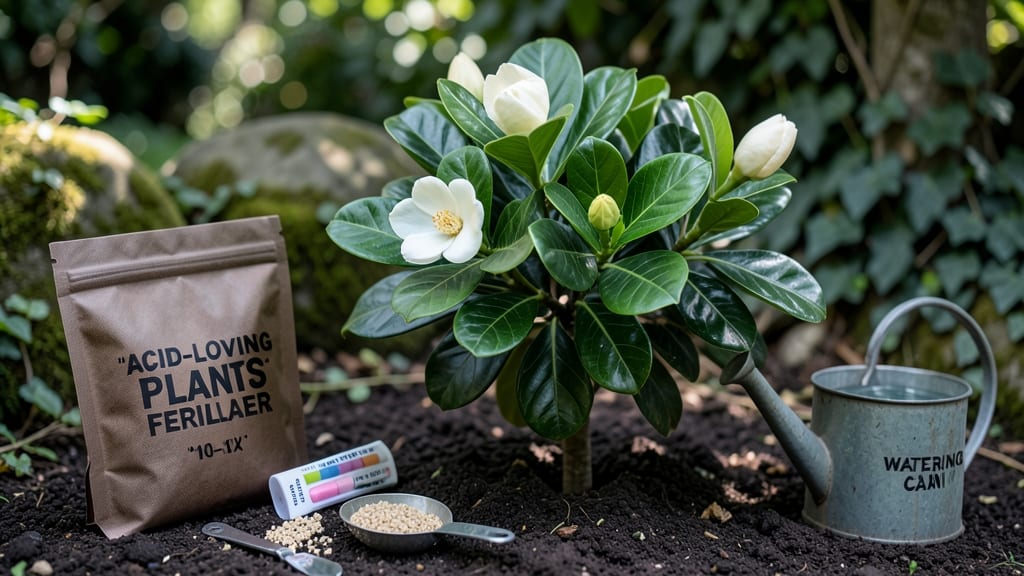
The gardenia fertilizer ratio that unlocks those iconic, intoxicating blooms 🌸 hinges on a balanced mix of nitrogen, phosphorus, and potassium—but get it wrong, and you’ll end up with lush leaves and zero fragrance.
Picture this: You’ve nurtured your gardenia for months, only to watch it throw out vibrant green foliage while stubbornly refusing to bloom. The culprit? A fertilizer ratio that’s either too heavy on nitrogen (leafy but barren) or too light on phosphorus (the bloom trigger).
In this guide, I’ll break down the ideal N-P-K ratios for gardenias—why a 6-6-6 or 8-3-9 blend works best, how to adjust seasonally, and the telltale signs your plant is begging for a different mix.
You’ll also discover the organic vs. synthetic showdown, how often to feed your plant without burning the roots, and the one common mistake that kills blooms faster than drought.
Optimal gardenia fertilizer ratio: N-P-K breakdown for peak blooms
If your gardenia is throwing fewer blooms than you’d like, the issue might be hiding in your fertilizer ratio. Gardenias are finicky about nutrients, and getting the N-P-K balance right is the key to unlocking those fragrant, white blossoms you adore.
Unlike many plants that thrive on high nitrogen, gardenias demand a balanced approach—especially when it comes to phosphorus for flowering.
The magic numbers for gardenias are typically 6-6-6 or 8-3-9 NPK ratios. This means equal parts nitrogen (N), phosphorus (P), and potassium (K), with a slight emphasis on phosphorus to fuel bloom production.
Phosphorus is the secret weapon for encouraging flowers, while potassium strengthens roots and disease resistance. Too much nitrogen, however, and you’ll end up with lush foliage but no flowers—a common mistake many gardeners make.
Here’s the breakdown of what each number means for your gardenia’s health and blooming potential:
For gardenias, a 6-6-6 ratio is a safe starting point, especially if you’re unsure about your soil’s current nutrient levels. This balance ensures your plant gets enough of everything without favoring foliage over flowers.
If your gardenia is already established and flowering well, you might opt for an 8-3-9 ratio, which slightly reduces nitrogen to prevent overgrowth while still supporting blooms with extra potassium for resilience.
One of the biggest mistakes gardeners make is over-fertilizing with nitrogen. A ratio like 10-5-5 might sound tempting for its high nitrogen content, but it’ll lead to leafy monsters with no flowers. Always check the label and adjust your expectations: gardenias hate excess nitrogen.
If you notice yellow leaves or leggy growth, flush the soil with water to dilute excess nutrients and switch to a lower-nitrogen fertilizer.
Seasonal adjustments are also key. During spring growth, a slightly higher nitrogen ratio (like 7-5-5) can help your gardenia recover from winter dormancy. But by summer blooming season, switch to a lower nitrogen ratio (e.g., 5-10-10) to shift energy toward flowers instead of leaves.
In fall and winter, fertilize lightly or not at all—your gardenia will thank you with stronger blooms next season.
Organic options like fish emulsion (5-1-1) or cottonseed meal (6-2-0) can also work well, especially if you’re growing gardenias in acidic soil. These fertilizers release nutrients slowly, mimicking natural conditions and reducing the risk of burning roots.
Always water thoroughly after applying fertilizer to help nutrients reach the roots without damaging foliage.
To apply fertilizer correctly, sprinkle it around the root zone (not on the leaves) and water it in immediately. Aim for 1 tablespoon per plant every 4-6 weeks during the growing season. Avoid fertilizing in extreme heat or drought, as stressed plants can’t absorb nutrients efficiently.
If you’re unsure about your soil’s pH, test it—gardenias thrive in acidic soil (pH 5.0-6.5), and a pH imbalance can throw off nutrient uptake.
With the right N-P-K ratio and a little seasonal tweaking, your gardenia will reward you with abundant, fragrant blooms all season long.
Start with a 6-6-6 fertilizer, monitor your plant’s response, and don’t be afraid to adjust based on what you see—whether it’s too many leaves or too few flowers. Happy gardening! 🌸
Seasonal fertilizer adjustments: when and how to apply ratios for maximum fragrance
Gardenia plants thrive when their fertilizer ratios match their seasonal needs, but many gardeners overlook how timing and ratios directly impact fragrance and bloom production. In spring, focus on balanced growth, while summer demands higher phosphorus to fuel those iconic white blooms.
Let’s break down how to adjust your gardenia’s diet by season for show-stopping results.
Spring is all about root and foliage development, so I use a 6-6-6 ratio fertilizer (equal parts nitrogen, phosphorus, and potassium) to kickstart growth. This balanced approach prevents leggy stems while preparing the plant for summer blooming.
For organic gardeners, composted manure or fish emulsion works wonders—just dilute to half-strength to avoid burning tender new shoots.
- 1 Spring (March-May): Apply 6-6-6 ratio every 4-6 weeks to promote leafy growth and root development. Use acidic fertilizers (pH < 6.5) to mimic natural soil conditions.
- 2 Summer (June-August): Switch to 8-3-9 ratio to boost phosphorus for blooms. Reduce frequency to every 6-8 weeks—over-fertilizing causes leaf burn. Water deeply after application to prevent salt buildup.
- 3 Fall (September-November): Stop fertilizing by October. Focus on mulching with pine bark to retain moisture and acidity. Prune spent blooms to redirect energy to root strengthening.
- 4 Winter (December-February): No fertilizer needed in Zones 7-9. Protect from frost with burlap wraps. In Zone 10+, apply a light 3-1-2 ratio in January to maintain slow growth.
Summer is when your gardenia’s fragrance potential peaks, but too much nitrogen can lead to leafy growth at the expense of blooms. I switch to an 8-3-9 ratio (higher potassium) to support flower production and stress resistance.
Watch for yellowing leaves—a classic sign of over-fertilization. If this happens, flush the soil with water to dilute excess salts.
Fall and winter are dormant periods for gardenias in cooler climates. I pause fertilizing entirely to let the plant rest and store energy for next year’s blooms. Instead, I focus on mulching with pine needles to lower soil pH naturally and protect roots from temperature swings.
In frost-free zones, a light winter feed keeps growth steady.
Monitor your gardenia’s leaves and blooms for clues about its needs. Sparse flowers often signal low phosphorus, while crispy leaf edges mean too much salt from synthetic fertilizers. For organic solutions, I mix banana peel tea (high in potassium) with crushed eggshells (calcium) to boost blooms without harsh chemicals.
By adjusting your gardenia’s fertilizer ratio seasonally, you’ll see healthier foliage, more buds, and that signature intoxicating fragrance. Start with spring’s balanced feed, shift to phosphorus-rich blends in summer, and let the plant rest in fall—your gardenia will reward you with show-stopping blooms year after year. 🌸