
Tools
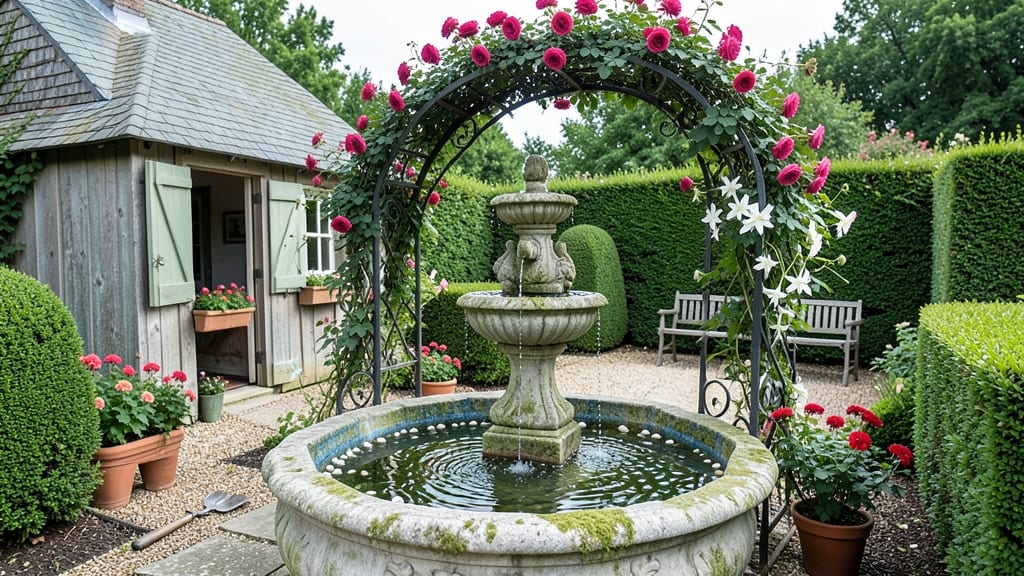
In French, a garden shed is most commonly called a cabane de jardin, though you'll also encounter hangar de jardin for larger storage structures and abri de jardin for enclosed spaces. These terms blend practicality with the charming traditions of French gardening.
The term cabane de jardin literally translates to "garden cabin," reflecting its humble origins as a simple storage solution for gardening tools and supplies. 🌿 What's fascinating is how these names evolved alongside French gardening culture—hangar suggests a more substantial, almost barn-like structure, while abri implies protection from the elements.
In rural areas, you might even hear chalet de jardin, which carries a cozier, almost alpine-inspired connotation. The choice of term often depends on both the shed's size and its role in the garden's overall aesthetic.
French garden sheds aren't just functional—they're a reflection of regional craftsmanship. Whether you're looking for a rustic cabane or a more refined hangar, understanding these terms helps you find a structure that fits both your practical needs and your garden's style.
The materials used, like slate roofs or wrought iron accents, further tie these structures to France's rich horticultural heritage.
💡 In This Article
- French Garden Shed Terminology: Regional and Historical Variations
- How to Choose the Right French-Inspired Shed for Your Garden
French garden shed terminology: regional and historical variations
The term cabane de jardin traces its roots to 18th-century rural France, where simple wooden structures served as tool storage for peasant farmers. Originally constructed from local timber like chestnut or pine, these sheds were often 2-3 meters wide with gabled roofs to shed rain efficiently.
The word "cabane" itself derives from the Latin "capanna," meaning hut, reflecting their modest origins. 🌳 In contrast, hangar de jardin emerged in the 19th century as wealthier landowners adopted larger, more permanent structures inspired by agricultural barns.
Regional dialects add fascinating layers to this terminology. In Normandy, you might hear chaumière de jardin (referencing thatched roofs), while Provence gardeners often use remise—a term borrowed from Italian "rimessa" meaning "storage."
The abri de jardin variation became popular in the 20th century as gardening became a middle-class hobby, with enclosed versions featuring glass windows for plant protection. Linguistically, these terms reveal a progression from purely functional to aesthetically integrated garden elements.
The materials used in construction tell a story too. Traditional cabanes often featured cedar or larch wood for natural rot resistance, while hangars incorporated metal framing to support heavier loads.
The introduction of slate roofs—a hallmark of French rural architecture—became common in the 1950s as industrial production made them more accessible. This material choice wasn't just practical; it reflected the French preference for durable, low-maintenance solutions that blend with natural landscapes.
Climate plays a crucial role in these variations. In cooler northern regions, sheds tend to be more substantial with double-walled construction to retain heat, while southern varieties often feature thicker insulation to keep out midday sun.
The abri de jardin design, with its emphasis on ventilation, became particularly popular in humid coastal areas like Brittany, where moisture protection was essential. These regional adaptations show how French garden shed terminology evolved in response to both cultural preferences and environmental realities.
What's particularly interesting is how these terms reflect changing gardening philosophies. The cabane represents the traditional French potager (vegetable garden) approach, while the hangar aligns with the 19th-century English-inspired kitchen garden trend.
The abri variation emerged alongside the modern French jardin d'agrément (ornamental garden) movement, showing how garden shed terminology mirrors broader shifts in horticultural practices across France.
For language enthusiasts, these terms also reveal fascinating word borrowings. The hangar term, for example, shares its etymology with English "hangar," reflecting France's complex relationship with both its own traditions and foreign influences.
Meanwhile, abri demonstrates the French language's ability to create new meanings from existing roots—literally meaning "shelter" but taking on specific gardening connotations. This linguistic flexibility mirrors the adaptable nature of French garden sheds themselves.