
Light Requirements
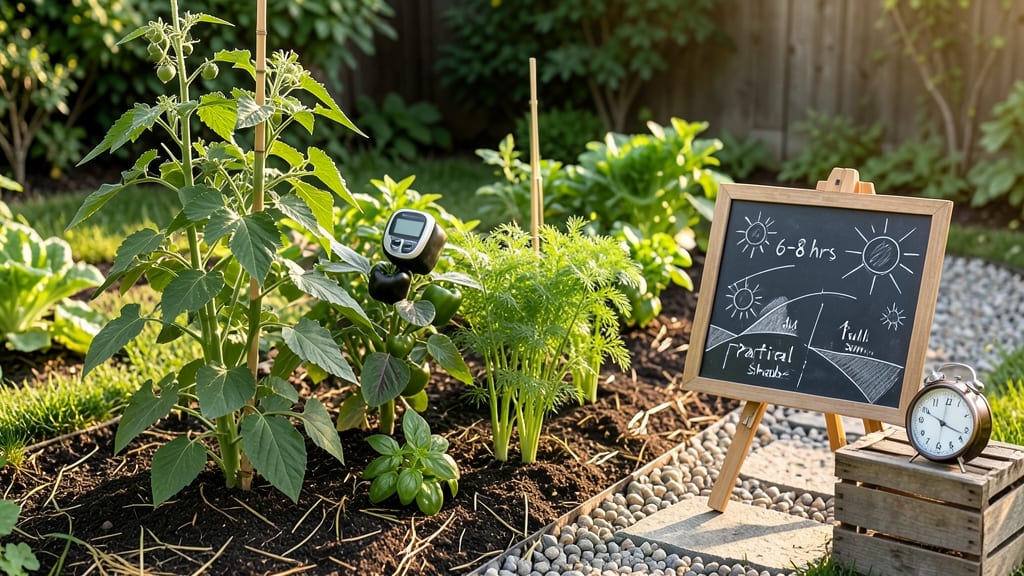
A vegetable garden needs how many hours of sun does a vegetable garden need to thrive—typically 6 to 8 hours of direct sunlight daily for most crops, though some tolerate less. Getting this right is the difference between a bumper harvest and a sad, stunted patch.
Struggling to decide where to plant your vegetable garden? Sunlight is the single most critical factor for a thriving harvest—but too much or too little can ruin your crops. This guide breaks down exactly how many hours of sun each vegetable needs to grow strong and productive.
Leafy greens like lettuce and spinach do fine with just 3 to 4 hours of sun, while heavy feeders like tomatoes and peppers demand full sun exposure to set fruit. Even a small miscalculation can mean the difference between a garden that feeds your family and one that barely survives.
Below, I’ll walk you through the exact sunlight needs for common vegetables, how to measure sunlight in your space, and what to do if your garden gets too much—or not enough—sun. Let’s get your 🥕 vegetable garden growing like a pro.


Sunlight requirements by vegetable type: full sun vs. partial shade needs
When planning your vegetable garden, sunlight is the most critical factor for success. Too little sun and your plants will grow weak, while too much can scorch delicate leaves. Understanding the sunlight needs of each vegetable type ensures you place them in the right spot for a bountiful harvest.
Let's break down the essential categories: full sun (6+ hours), partial shade (3-6 hours), and shade-tolerant (under 3 hours).
For example, tomatoes and peppers thrive in full sun and need at least 6 hours of direct sunlight daily to produce fruit. In contrast, leafy greens like spinach and kale can tolerate partial shade, especially in hot climates.
Knowing these distinctions helps you avoid common mistakes like planting sun-loving crops in shady spots or shade-tolerant plants in scorching areas.
| Vegetable Type | Sunlight Needs | Examples | Growth Implications |
|---|---|---|---|
| Full Sun (6+ hours) | Direct sunlight all day | Tomatoes, Peppers, Cucumbers, Corn, Eggplants | Poor fruit set, weak stems, low yields |
| Partial Shade (3-6 hours) | Morning sun + afternoon shade | Bush Beans, Lettuce, Spinach, Kale, Swiss Chard | Bolting, bitter taste, slower growth |
| Shade-Tolerant (<3 hours) | Dappled or filtered light | Carrots, Radishes, Green Onions, Parsley, Arugula | Leggy growth, pale leaves, poor flavor |
Let's start with full sun crops, which demand the most sunlight to thrive. Vegetables like tomatoes and peppers need at least 6 hours of direct sunlight daily to produce high-quality fruit.
Without enough light, they’ll grow tall and leggy with few tomatoes or peppers. Corn also falls into this category—it requires full sun to develop strong stalks and sweet kernels. If you're growing these crops in containers, place them in the sunniest spot on your patio or balcony.
Next, partial shade crops like bush beans and leafy greens can handle 3-6 hours of sunlight. These plants often do best with morning sun and afternoon shade, especially in hot climates.
For example, lettuce and spinach can bolt (go to seed prematurely) if exposed to too much heat and sun. Partial shade helps them stay crisp and flavorful. If your garden has areas with only a few hours of sunlight, these are perfect choices.
For shade-tolerant vegetables, think of crops like carrots and radishes, which can grow well with under 3 hours of sunlight. These are ideal for shady spots under trees or on north-facing walls.
However, even shade-tolerant plants need some light to grow properly—too little sun can lead to pale, leggy plants with poor flavor. If you're growing these in deep shade, consider supplementing with a grow light for a few hours a day.
One common mistake is assuming all vegetables need the same amount of sunlight. For instance, cucumbers love full sun but will struggle in partial shade, while green onions can grow in almost any light condition.
Always check the seed packet or plant tag for specific sunlight recommendations. Another tip: observe your garden throughout the day to identify microclimates—some areas may get more or less sun than others.
If your garden has limited sunlight, focus on shade-tolerant crops and use reflective surfaces like white walls or mulch to bounce extra light onto your plants. For excessive sunlight, provide afternoon shade with shade cloth or plant taller crops like sunflowers to create natural shade for smaller plants.
Balancing sunlight exposure ensures your vegetable garden thrives year-round.
Remember, the quality of sunlight matters too. Direct sunlight is best, but even filtered light can work for shade-tolerant plants. Start by assessing your garden’s sunlight patterns, then match your crops to the right spots. With the right placement, you’ll enjoy a healthy, productive harvest all season long.
How to measure sunlight in your garden and adjust plant placement
Measuring sunlight in your garden isn't just about guessing—it's about giving your vegetables the perfect growing conditions they need. Most vegetable gardens thrive with 6-8 hours of direct sunlight, but some crops like leafy greens can handle less.
Start by observing your garden throughout the day to identify sunny spots, partial shade areas, and deep shade zones.
Seasonal changes can drastically alter sunlight exposure. What seems like full sun in summer might become partial shade in winter due to lower sun angles. Use a sunlight tracker or mark your garden with stakes to track how shadows shift over time.
This helps you adjust plant placement for each season.
Step-by-Step Guide to Measuring Sunlight
Tools like SunCalc or Garden Planner apps map sunlight patterns for your location. Input your garden's coordinates to see how many sunlight hours each area gets daily.
Place a vertical stake in your garden and mark shadow edges every 2 hours for a week. This reveals sunlight duration and helps identify microclimates (e.g., areas near fences or buildings).
A lux meter measures light intensity. Aim for 10,000-20,000 lux for full sun, 3,000-10,000 lux for partial shade, and under 3,000 lux for deep shade.
Move sun-loving crops like tomatoes and peppers to sunnier spots in spring/summer. Shift shade-tolerant crops like lettuce to brighter areas in winter when sunlight weakens.
Place white gravel or mirrors near shade-loving plants to bounce extra light onto their leaves. This can boost growth by 10-20% in low-light zones.
Once you’ve mapped your garden’s sunlight, group plants with similar sun requirements together. For example, place tomatoes, peppers, and cucumbers in the sunniest spots (6+ hours), while kale, spinach, and carrots can thrive in partial shade (3-6 hours). This optimizes space and ensures every plant gets the right conditions.
Don’t forget to rotate crops annually to balance sunlight exposure. If one area gets too much sun, swap heat-sensitive plants like beans or squash with shade-tolerant varieties. Regularly reassess your garden’s sunlight map—especially after new structures (like fences or sheds) are added.
With these steps, you’ll create a balanced, high-yield vegetable garden that adapts to your space’s natural light. Happy planting! 🌱☀️