
Companion Plants
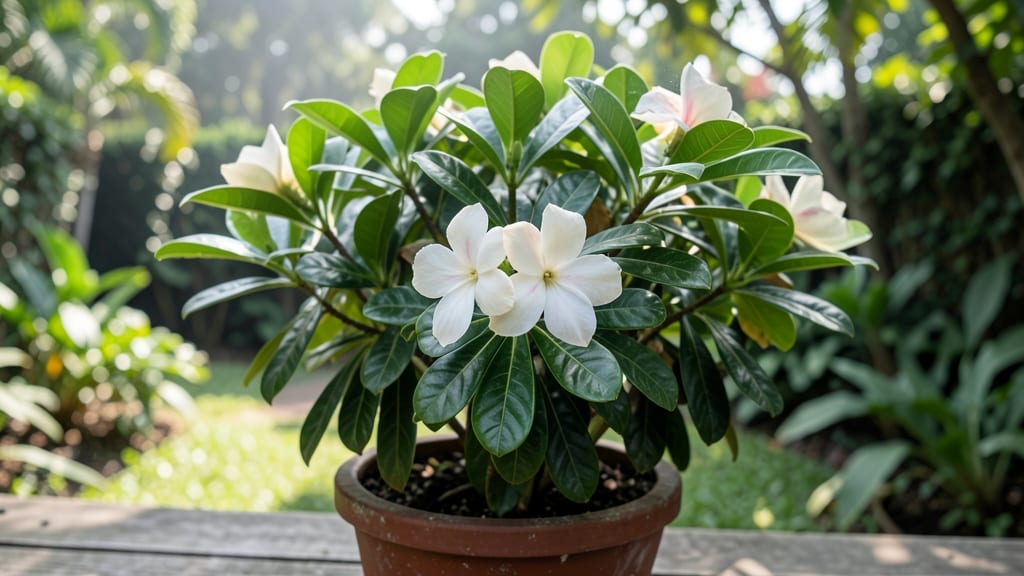
Gardenias smell exceptionally good to most people, with a rich, creamy floral fragrance that many describe as sweet, tropical, and intoxicating—though some find the scent overly heavy or cloying, especially when concentrated. Their fragrance becomes most potent at night, which is why they’re so valued in gardens and perfumes.
Gardenias are often called the "queens of flowers" for their lush, velvety petals and heady aroma, which contains over 100 volatile compounds like jasmine and linalool. 🌸 The scent isn’t just pleasant—it’s chemically designed to attract pollinators after dark, which is why it intensifies when the sun goes down.
That said, their fragrance can feel overwhelming in enclosed spaces or when planted too densely, which is why many gardeners pair them with lighter-scented companions like roses or lavender.
What makes gardenias so polarizing is their sweetness intensity. Some people love the tropical richness, while others find it cloying—especially if they’re sensitive to strong floral notes. In some cultures, gardenias even carry symbolic weight, sometimes associated with funerals, which can influence personal perceptions.
If you’re growing them, try spacing plants 3-4 feet apart to let their scent breathe and avoid overpowering your outdoor space.
💡 In This Article
- The Science Behind Gardenia’s Intoxicating Scent
- Why Some People Dislike Gardenia Fragrance
The science behind gardenia’s intoxicating scent
Gardenias produce their signature fragrance through a complex blend of over 100 volatile organic compounds (VOCs), including linalool, benzyl acetate, and jasmine ketone.
These chemicals work together like an olfactory symphony: linalool creates that creamy, woody base, while benzyl acetate delivers the sweet, tropical notes. 🌿 For comparison, jasmine contains similar compounds but in different ratios, giving it a more powdery, green scent—whereas gardenias lean into richness.
The combination is so potent that perfumers often use gardenia extracts to replicate that "luxurious floral" effect in high-end fragrances.
Here’s where it gets fascinating: gardenias are nocturnal pollinators, meaning their scent peaks after sunset to attract moths. Studies show their VOC emissions increase by 30-50% at night due to higher humidity and cooler temperatures, which slow evaporation and concentrate the aroma.
This is why a gardenia bush smells like a tropical paradise at dusk but may feel milder in daylight. 🌙 The same mechanism explains why gardenia-scented candles or oils feel more intense in evening settings—your nose detects higher concentrations of these compounds when they linger in the air.
The intensity of gardenia’s fragrance also depends on the plant’s maturity and growing conditions. Mature plants (3+ years old) produce 2-3 times more scent than young ones because their roots develop deeper, accessing more nutrients that fuel VOC production.
Overwatering or poor drainage, however, can dilute their aroma by stressing the plant—this is why gardenias in containers often smell weaker unless you use well-draining soil mixes.
For maximum fragrance, aim for 6-8 hours of sunlight daily and avoid fertilizers high in nitrogen, which prioritize leaf growth over floral scent production.
What most people don’t realize is that gardenias release their scent in two phases: an immediate burst when flowers open, followed by a slower, deeper release as the blooms age.
This dual-release system ensures pollinators are drawn in over extended periods. 🌸 In perfumery, this trait is mimicked by layering top, middle, and base notes—just like how gardenias naturally "build" their fragrance over time. The result?
A scent that feels both immediate and enduring, which is why gardenia-based perfumes often have long-lasting sillage (the trail of scent left in the air).
For those curious about scent comparisons, gardenias share some DNA with tuberose but lack its spicy undertones. Tuberose contains higher levels of benzyl benzoate, giving it a sharper, almost powdery edge, while gardenias rely more on linalool’s velvety warmth.
This is why gardenia-heavy perfumes (like Chanel’s "No. 5") feel softer and more enveloping than tuberose-forward scents. The key difference? Gardenias prioritize sweetness over complexity, which is why some find them "simple" while others adore their straightforward allure.