
Pruning
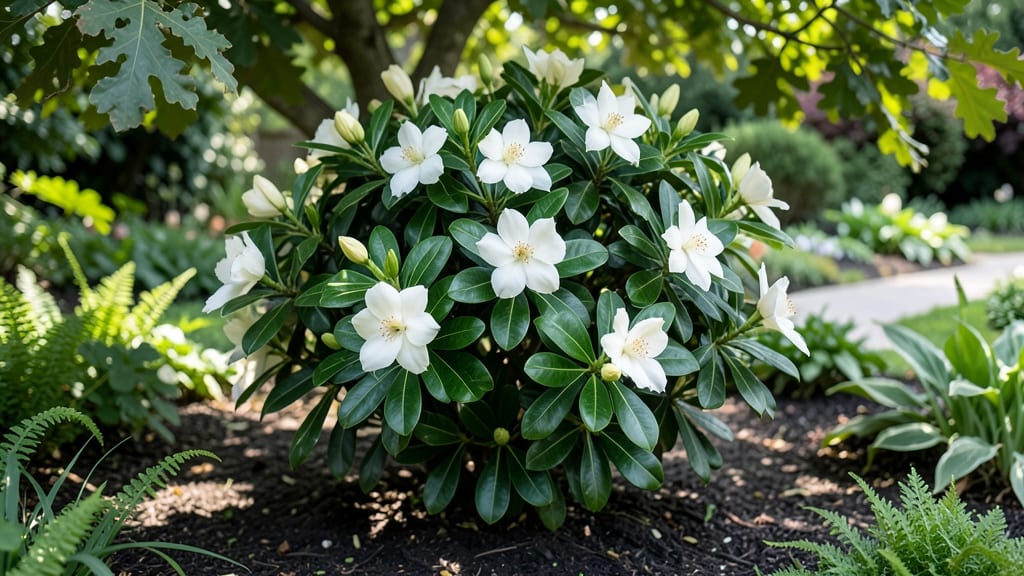
Understanding the gardenia bush height you can expect is the first step to shaping it just right—whether you dream of a towering statement plant or a compact container shrub.
Struggling to control your gardenia bush’s height? Whether you want a manageable shrub or a fragrant focal point, pruning techniques are your secret weapon. Without the right approach, even the most beautiful blooms can end up buried under unruly growth.
Most gardenias 🌸 reach 3 to 6 feet tall at maturity, but their final size depends on the variety, pruning habits, and your climate. Some stay small enough for patios, while others grow tall enough to rival small trees—if you let them.
In this guide, I’ll break down how to predict your gardenia’s height, when to prune for the look you want, and how to keep it thriving without sacrificing those intoxicating blooms.

Natural gardenia bush height: how tall do they grow without pruning?
If you’ve ever wondered how tall your gardenia bush will grow without pruning, the answer depends on the species and variety. Most gardenias, particularly the popular Gardenia jasminoides, naturally reach heights of 3 to 6 feet when left unpruned.
However, their growth habits can vary based on environmental conditions like sunlight exposure, soil quality, and climate. Understanding these factors will help you set realistic expectations for your fragrant shrub.
For example, Gardenia augusta, another common variety, typically stays shorter, around 2 to 4 feet, unless given ideal growing conditions. Meanwhile, some tropical gardenias can even exceed 6 feet in warm, humid climates.
The key is recognizing that unpruned gardenias grow taller in optimal conditions but may remain more compact in cooler or less favorable environments.
Now, let’s break down the natural height ranges and influencing factors in this summary table to help you visualize what to expect:
| Variety | Natural Height (Unpruned) | Growth Habit | Ideal Climate |
|---|---|---|---|
| Gardenia jasminoides | 3–6 ft | Upright, bushy | Warm, humid |
| Gardenia augusta | 2–4 ft | Compact, rounded | Mild, temperate |
| Gardenia radicans | 1–3 ft | Trailing, spreading | Tropical, warm |
| Gardenia fortuniana | 4–7 ft | Tall, upright | Humid, subtropical |
One of the biggest factors influencing gardenia bush height is sunlight exposure. These plants thrive in partial shade, typically needing 4 to 6 hours of morning sun and protection from harsh afternoon rays.
Too much direct sun can stunt growth, while too little shade may lead to leggy, weak stems. If your gardenia isn’t getting enough light, it may grow taller but with fewer blooms, as it stretches toward the sun.
Another critical factor is soil quality. Gardenias prefer well-draining, acidic soil with a pH between 5.0 and 6.5. Poor soil conditions, like alkaline or compacted soil, can restrict root growth and limit the plant’s ability to reach its full height.
Amending your soil with organic matter, like compost or peat moss, can encourage healthier, more vigorous growth.
Climate also plays a significant role. In USDA Zones 8–10, gardenias can grow taller and more robustly due to warmer temperatures and longer growing seasons. However, in cooler zones like Zone 7 or below, gardenias may stay shorter or grow more slowly unless protected from frost.
If you live in a colder climate, consider planting your gardenia in a container so you can move it indoors during winter.
Even with ideal conditions, gardenias grow at a moderate pace. In their first year, you can expect them to reach 1 to 2 feet tall. By year two, they’ll likely grow another 1 to 2 feet, and by year three, they’ll start filling out their mature height.
If you’re growing a dwarf variety, like Gardenia radicans, you might see slower vertical growth but more horizontal spreading.
If you’re concerned about your gardenia becoming too tall for your space, don’t worry—pruning isn’t just for height control. It also encourages denser foliage and more blooms. The best time to prune is in late winter or early spring, just before new growth begins.
This helps shape the plant while minimizing stress. Just remember to use sterilized pruning shears to avoid spreading disease.
For those who love the idea of a towering gardenia bush, embrace the natural growth! A well-cared-for gardenia can become a stunning focal point in your garden, especially when it’s laden with scented white blooms in late spring or summer.
Just ensure it has enough space to grow and thrive without competing with other plants for sunlight or nutrients.
Whether you’re aiming for a compact gardenia bush or a tall, elegant specimen, understanding its natural growth habits will help you create the perfect look for your landscape. With the right care, your gardenia will reward you with years of beauty and fragrance—no pruning required!
Pruning techniques to control gardenia bush height: step-by-step guide
Pruning your gardenia bush isn’t just about keeping it tidy—it’s the secret to shaping its height and structure while encouraging lush, fragrant blooms. The key is timing and technique, especially since gardenias respond best to selective pruning rather than aggressive cuts.
Whether you’re aiming for a compact shrub or a taller specimen plant, mastering these steps will give you control without stressing the plant.
Timing is everything with gardenias. The best time to prune is late winter or early spring, just as new growth begins but before buds swell. This ensures you’re not cutting back flowering branches or disturbing the plant’s energy reserves.
Avoid pruning in fall or winter, as this can leave your gardenia vulnerable to cold damage or fungal issues. Always use sterilized pruning shears to prevent disease spread.
Step-by-Step Pruning Guide for Gardenia Height Control
-
Step 1: Assess Your Goals
Decide whether you want to reduce height (prune top growth) or encourage bushiness (trim interior branches). Sketch a rough shape to visualize your desired outcome. -
Step 2: Gather Tools
Use sharp, sterilized pruning shears for clean cuts. Have rubbing alcohol and pruning sealant (optional) ready to disinfect tools and cuts. -
Step 3: Remove Dead or Weak Branches
Start by cutting out dead, diseased, or crossing branches at the base. This improves airflow and reduces pest risks. -
Step 4: Prune for Compact Growth
To keep your gardenia shorter than 3 feet, cut back 1/3 of the tallest stems just above a leaf node or bud. Avoid cutting into old wood. -
Step 5: Shape for Height or Bushiness
For a taller gardenia, remove only lower branches to open the center. For a bushier look, trim selective top branches to encourage lateral growth. -
Step 6: Clean Up and Monitor
Rake up debris and sterilize tools again. Water your gardenia deeply after pruning. Watch for new growth in 4-6 weeks to assess success.
One common mistake is over-pruning, which can shock your gardenia and reduce blooms. Never cut more than 1/3 of the plant’s height at once, and avoid pruning in summer or fall, when the plant is already stressed.
If you notice yellowing leaves or stunted growth after pruning, your cuts may have been too severe. In this case, focus on light pruning next season and improving soil health with organic mulch.
For container-grown gardenias, pruning is even more critical to control height and encourage blooming. Use the same steps but adjust for the smaller root system. After pruning, reduce watering slightly to help the plant recover.
With regular pruning, you can keep a container gardenia under 2 feet tall while still enjoying its sweet fragrance and glossy foliage.
Remember, gardenias reward patience. It may take 2-3 pruning sessions to achieve your desired height, but the results—healthier growth, more blooms, and a perfectly shaped shrub—are worth the effort.
Start small, observe how your plant responds, and adjust your approach each season. Your gardenia will thank you with vibrant flowers and lush foliage all year round. 🌿✂️🌸