
Advice
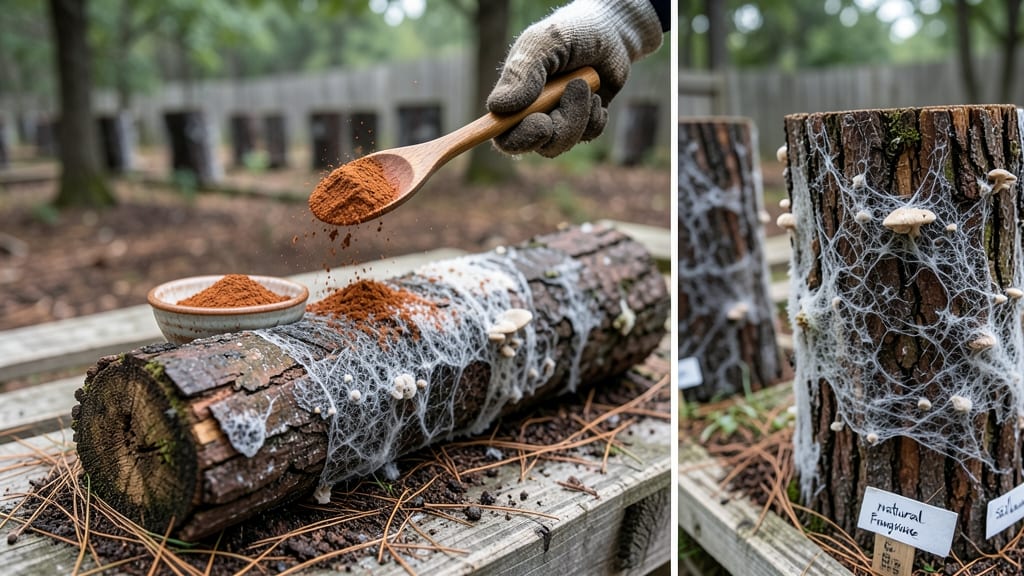
You can sprinkle cinnamon in your garden to repel pests like slugs, snails, and fungi, thanks to its natural antimicrobial properties, but use it carefully—overuse may alter soil pH or harm acid-sensitive plants such as azaleas and blueberries. Always test on a small patch first.
Cinnamon's spice oil contains compounds like cinnamaldehyde that disrupt pests' scent trails while inhibiting fungal growth. 🔥 The key is moderation—just a light dusting around plants (about 1 teaspoon per 10 square feet) works best.
For vegetables like tomatoes or herbs such as basil, this approach can boost plant health without risk, but avoid applying directly to soil for acid-loving plants. Timing matters too: spring and summer applications yield the best results, as pests are most active during these seasons.
What's interesting is how cinnamon's dual action works—it repels pests while also promoting beneficial soil microbes. This makes it a natural alternative to chemical pesticides, but always monitor your plants' responses closely.
I've found that mixing cinnamon with diatomaceous earth creates an even more effective barrier against slugs and snails without harming the environment.
💡 In This Article
- How Cinnamon Works as a Natural Garden Pest Repellent
- Safe Plants and Best Practices for Using Cinnamon in Gardens
How cinnamon works as a natural garden pest repellent
Cinnamon’s pest-repelling power comes from its active compound, cinnamaldehyde, which disrupts pests’ scent trails and acts as a natural fungicide.
When you sprinkle cinnamon around plants, the aromatic oil interferes with slugs’ and snails’ mucus production, making movement difficult—almost like walking on sandpaper. 🔥 Studies show cinnamaldehyde also inhibits fungal spores from germinating, which is why it’s effective against powdery mildew and root rot.
The key is that this works through volatilization (the spice’s oils evaporating into the air), not direct contact with the soil.
The science gets even more interesting when you consider cinnamon’s impact on soil microbes. While it repels harmful pests, cinnamon actually stimulates beneficial bacteria and fungi in the soil, like mycorrhizae, which help plants absorb nutrients. This dual action makes cinnamon a smart choice for organic gardening.
However, the effect is dose-dependent—too much (over 2 teaspoons per square foot) can overwhelm soil microbes and alter pH levels, especially in sandy or alkaline soils where cinnamon’s acidity (pH ~5.5) may become problematic.
What makes cinnamon unique compared to other natural repellents (like crushed eggshells or coffee grounds) is its selective toxicity. It targets soft-bodied pests like slugs and snails without harming bees or ladybugs, which are crucial for pollination.
The spice’s strong scent also masks plants’ natural aromas, confusing pests that rely on these cues to find food. For example, I’ve noticed fewer aphid infestations on basil when cinnamon is applied nearby—likely because the aphids can’t locate their host plants as easily.
Seasonal timing amplifies cinnamon’s effectiveness. Spring and early summer applications create a protective barrier when pests are most active, while fall treatments help prevent overwintering fungi. The best part? Cinnamon breaks down naturally in the soil within 2-4 weeks, leaving no long-term residue.
This makes it a safe, renewable option for gardeners who want to avoid synthetic chemicals. Just avoid using it during heavy rain—water can wash away the protective layer before it has a chance to work.
For maximum impact, pair cinnamon with other natural deterrents. A mix of 1 teaspoon cinnamon + 2 tablespoons diatomaceous earth creates a physical barrier that slugs and snails can’t cross. The diatomaceous earth’s microscopic particles dehydrate pests on contact, while cinnamon’s scent keeps them away.
This combo has worked wonders in my vegetable garden, especially around lettuce and strawberries—two crops that are particularly vulnerable to slug damage.