
How To
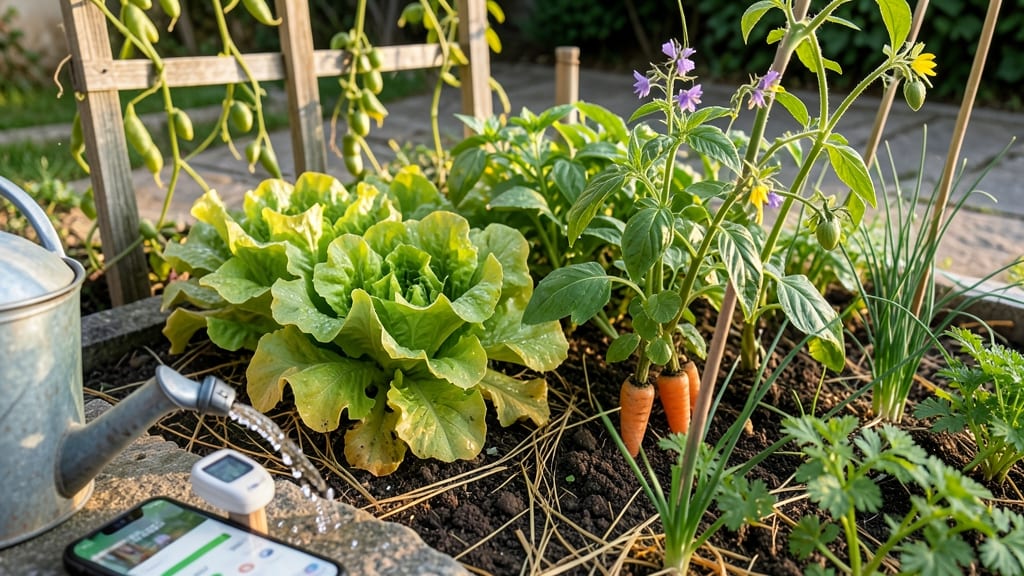
To water a vegetable garden properly, you need to check soil moisture every 2-3 days—but guessing leads to wasted water and stunted plants.
Overwatering or underwatering your vegetable garden can ruin months of hard work—yet most gardeners guess rather than measure. The secret to thriving plants lies in a simple soil-moisture test that saves water and boosts yields.
Why does this matter? Because consistent moisture at the right depth keeps roots healthy, prevents disease, and maximizes flavor. Too much or too little, and your harvest suffers—even with the best soil and fertilizer.
Here’s how to test soil moisture like a pro, adjust for your climate, and tailor watering to each vegetable type—so you never waste a drop again.
The perfect soil-moisture test method for watering vegetables
Watering your vegetable garden isn't about following a rigid schedule—it's about understanding your soil's moisture level at the right depth. I've learned the hard way that surface-level watering tricks plants into thinking they're hydrated while roots starve.
The key? Testing moisture where roots actually grow, not just the top inch of soil.
Most gardeners overwater because they rely on visual cues like wilting leaves or dry mulch. But by the time you see wilting, your tomatoes or peppers are already stressed.
A proper soil-moisture test gives you real-time data to adjust your watering routine before problems start. Let's break it down into simple, actionable steps.
- Step 1: Choose the right time of day - Test in the morning (6-9 AM) when soil moisture is most stable.
- Step 2: Use your finger test - Stick your index finger 1-2 inches deep (for leafy greens) or 3-4 inches deep (for root crops like carrots).
- Step 3: Check moisture consistency - If soil feels damp but not soggy, watering isn't needed. If it's dry and crumbly, it's time to water.
- Step 4: Test multiple spots - Check 3-5 locations in your garden bed for accurate results, especially in large containers.
- Step 5: Adjust for plant type - Leafy greens (like lettuce) prefer consistently moist soil, while root vegetables (like potatoes) need even moisture but hate soggy conditions.
- Step 6: Use the moisture meter for precision - For high-value crops like tomatoes, invest in a $15 digital meter for exact readings at different depths.
- Step 7: Observe visual cues - Healthy soil has earthy smell, dark color, and good crumb structure. Compacted or grayish soil needs immediate attention.
For container gardens, the rules change slightly. Since pots dry out faster, I test moisture at half the pot's depth. A 5-gallon container needs checking at 2-3 inches deep, while a whiskey barrel planter might need testing at 4-5 inches.
Pro tip: Use a wooden skewer instead of your finger for cleaner tests.
I've noticed that sandy soil drains too quickly, while clay soil holds moisture like a sponge. If your garden has extreme conditions, consider amending with compost or mulching heavily to create ideal moisture balance. Organic matter improves soil's ability to hold water without suffocating roots.
One common mistake I see is watering based on weather forecasts alone. A light rain shower might only penetrate ½ inch deep, leaving roots thirsty. Always combine weather predictions with your soil-moisture test for accurate watering decisions.
Remember: 1 inch of water per week is the general guideline, but your soil tells the real story.
For drought-tolerant vegetables like zucchini or eggplant, I let the soil dry slightly between waterings. But for water-loving crops such as cucumbers or celery, I keep the soil consistently moist.
The soil-moisture test helps me adjust my routine as plants mature—young seedlings need frequent, light watering, while established plants can handle deeper, less frequent waterings.
Don't forget about the leaf check as a secondary indicator. Healthy leaves should be firm and upright. If they feel limp or droopy, it's often a sign of underwatering (not always overwatering).
But if leaves turn yellow and mushy, you're likely overwatering. Combine both soil tests and leaf inspections for the most accurate picture of your plants' needs.
My final tip: Keep a watering journal for at least one growing season. Note when you water, how much, and what the soil felt like. You'll quickly learn your garden's unique moisture patterns.
Over time, you'll develop an instinct for when to water—no more guesswork, just data-driven gardening that produces healthier, more productive vegetables.
Watering frequency by vegetable type and season
Not all vegetables need the same amount of water—leafy greens wilt quickly when dry, while root crops rot if overwatered. Understanding these differences saves time and water while maximizing your harvest.
Seasonal shifts also play a critical role: summer heat demands daily checks, while spring showers may require adjustments to avoid soggy soil.
For leafy greens like lettuce and spinach, aim for 1 inch of water per week—more in summer, less in cooler months. Fruiting plants such as tomatoes and peppers need 1.5 inches weekly but benefit from deep, infrequent watering to encourage strong root systems.
Meanwhile, root vegetables like carrots and beets prefer consistent moisture but hate soggy conditions, which can cause them to split.
| Vegetable Type | Water Needs (Weekly) | Spring Frequency | Summer Frequency | Drought Tips |
|---|---|---|---|---|
| Leafy Greens (Lettuce, Spinach) | 1 inch | Every 3-4 days | Daily (morning) | Use mulch to retain moisture |
| Root Crops (Carrots, Beets) | 1 inch (consistent) | Every 4-5 days | Every 2-3 days | Water deeply, avoid puddles |
| Fruiting Plants (Tomatoes, Peppers) | 1.5 inches | Every 2-3 days | Daily (deep watering) | Drip irrigation preferred |
| Drought-Resistant (Zucchini, Okra) | 1 inch (deep) | Every 5-6 days | Every 3-4 days | Mulch heavily to reduce evaporation |
In spring, when temperatures are mild, most vegetables thrive on every 3-5 days of watering. However, as summer arrives, increase frequency to daily or every other day, especially for tomatoes and peppers, which are prone to blossom-end rot from inconsistent moisture.
Always water early in the morning to reduce fungal risks and allow foliage to dry quickly.
For drought-resistant varieties like zucchini or okra, focus on deep watering rather than frequent shallow sessions. These plants store water efficiently, so mulching with straw or wood chips helps lock in moisture.
Even in dry spells, avoid letting the soil dry out completely—root vegetables like radishes will become woody, while leafy greens will bolt prematurely.
Pro tip: Use a soil moisture meter or the finger test (stick your finger 1-2 inches deep) to check moisture levels before watering. If the top inch feels dry, it’s time to hydrate—consistency is key to avoiding stress on your plants.
Adjust based on rainfall: skip watering if you’ve had 0.5 inches of rain in the past 24 hours.
By tailoring your watering routine to each vegetable’s needs and seasonal shifts, you’ll minimize waste, boost yields, and keep your garden thriving all season long. 🌱