
Advice
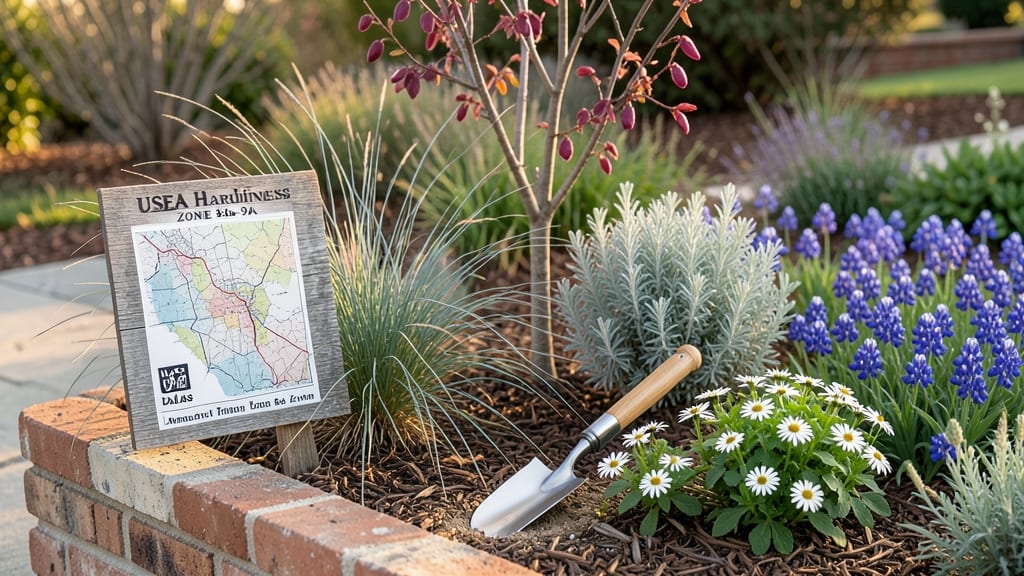
Dallas gardening primarily falls within USDA Hardiness Zones 8a and 8b, though some areas—especially near the Trinity River—dip into Zone 7b. The region's extreme summer heat (regularly hitting 95-105°F) and occasional winter freezes (20-30°F) demand careful plant selection, favoring hardy species like yucca and salvia while limiting frost-sensitive crops to spring or fall planting.
Understanding Dallas's gardening zone means recognizing how urban sprawl and elevation create microclimates that can shift growing conditions dramatically.
For example, areas like Highland Park often experience 5-10°F cooler temperatures than downtown, while Mesquite's lower elevation traps heat, pushing summer temps even higher. 🔥 These variations explain why some gardeners in Zone 8b can grow citrus trees successfully while others in nearby areas struggle with the same plants.
The key is matching your specific location's conditions to the right plants—drought-tolerant natives thrive here, but even they need smart watering during peak heat.
What sets Dallas apart is its short but intense growing season. While Zone 8 typically allows year-round gardening, Dallas's brutal summers (often exceeding 100°F) and sudden winter freezes create a compressed window for frost-sensitive plants.
This is why many local gardeners focus on heat-loving perennials like Turk's cap or opt for fast-growing vegetables like okra that mature before the worst heat arrives. The USDA zone map provides a starting point, but real-world success comes from paying attention to your neighborhood's specific microclimate patterns.
💡 In This Article
- USDA Plant Hardiness Zones in Dallas: Exact Boundaries and Microclimate Variations
- Best Plants for Dallas Gardening Zones: Drought-Resistant and Heat-Tolerant Picks
USDA plant hardiness zones in Dallas: exact boundaries and microclimate variations
Dallas spans three distinct USDA zones due to its urban layout and elevation changes. The city core and southern suburbs (like Mesquite) firmly sit in Zone 8b, where average annual minimum temperatures range from 15-20°F.
However, areas near the Trinity River—especially in northern Dallas—can dip into Zone 7b, where winters occasionally hit 10-15°F. This shift happens because river valleys collect cold air, creating localized frost pockets that can damage tender plants like citrus or bougainvillea.
The urban heat island effect further complicates things.
Concrete and asphalt in downtown Dallas can raise summer temperatures by 5-10°F compared to suburban areas, pushing heat zones closer to 105-110°F during peak afternoons. 🌡️ Meanwhile, elevated neighborhoods like Highland Park (average elevation: 400-500 feet) experience cooler nights, sometimes 10°F lower than downtown.
These microclimates explain why a garden in North Dallas might support fig trees while one in South Dallas struggles—even though both are technically Zone 8b.
Historical temperature data reveals Dallas's extremes: the last hard freeze (20°F or below) occurred in 2011, but earlier freezes (like the infamous 1989 event) hit 15°F.
The National Weather Service tracks these patterns, showing that while Zone 8b is the norm, 30% of Dallas's land area experiences Zone 7b conditions during cold snaps. This variability means gardeners should plant frost-sensitive species (like hibiscus) in containers for winter protection or choose native perennials that tolerate 20°F+ dips.
Frost risk maps from Texas A&M AgriLife Extension show that the Trinity River corridor has the highest cold-air pooling, while western Dallas (near Love Field) benefits from warmer, drier air masses.
For example, a garden in Zone 8b near the airport might safely grow Mexican petunias year-round, while an identical garden 5 miles east near the river could face winter dieback. The solution? Use 3-year average lows (not just the USDA zone) to guide plant choices—this accounts for Dallas's unpredictable swings.
Elevation plays a surprising role too. Every 100 feet of elevation gain typically drops temperatures by 1°F, which is why Highland Park's gardens thrive with Mediterranean species like rosemary that wouldn't survive downtown.
Conversely, low-lying areas like Cedar Hill (elevation: 500 feet) experience 2-3 more frost days per year than higher elevations. This is why nurseries in Dallas often recommend adjusting planting zones by ±0.5 zones based on your specific neighborhood.
For precise planning, consult the Texas A&M Plant Disease Handbook, which includes interactive maps showing Dallas's frost-free periods. Most of the city enjoys 240-260 frost-free days annually, but river-adjacent areas can drop to 220 days.
This shorter window affects vegetable gardening—fast-maturing crops like bush beans (50-60 days) are safer bets than tomatoes (75-90 days) unless you're in a warmer microclimate.