
Tools
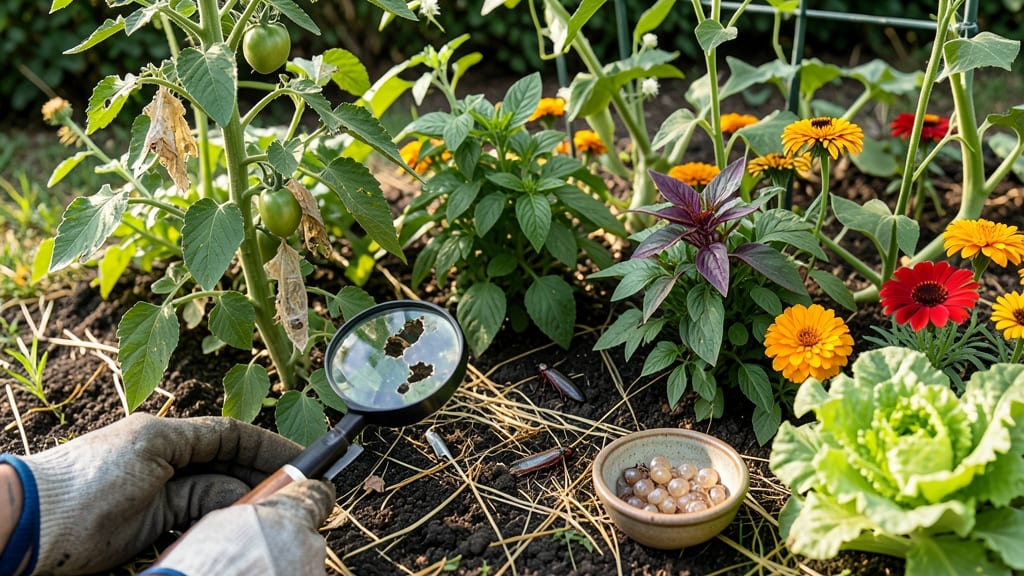
Your garden will not be eaten by cicadas—they only consume tree sap, not vegetables or plants. However, their nymphs can harm roots during burrowing, and adult swarms may stress young trees. Prioritize tree protection over garden beds to minimize their impact.
Will cicadas eat my garden? No—they’re tree specialists, and their long straw-like mouthparts pierce bark to access xylem fluid, a nutrient-rich sap found only in woody plants. 🌳 This means your vegetable garden, herbs, and flowering plants remain completely unaffected by these noisy insects. The real concern lies with young trees and shrubs, whose bark is thinner and more vulnerable to both nymph feeding damage and adult cicada swarms that can defoliate tender leaves.
What's fascinating is how cicadas locate their hosts: they rely on heat signatures and chemical cues from tree bark. This targeted behavior explains why you might see heavy cicada activity around oak, maple, or fruit trees while your garden beds stay untouched.
The key to protection is understanding this preference—focus your prevention efforts on trees rather than wasting resources on plants cicadas will never bother.
💡 In This Article
- Cicada Diet: What They Actually Consume (And What They Avoid)
- Protecting Trees and Garden Beds from Cicada Damage
Cicada diet: what they actually consume (and what they avoid)
Cicadas are specialized feeders with a diet focused exclusively on tree sap, specifically the xylem fluid found in woody plants. Their long, straw-like mouthparts—called stylets—can penetrate bark up to 1/8 inch thick, reaching deep into the tree's vascular system.
This sap contains essential sugars and nutrients that fuel their rapid growth, especially during their brief adult phase, which lasts only about 4-6 weeks. 🌿 Unlike generalist insects, cicadas lack the anatomical tools to feed on softer plant tissues like leaves or stems, which explains why your garden vegetables remain completely unaffected.
The science behind their tree preference lies in the xylem fluid's composition: it's rich in carbohydrates but lacks protein, forcing cicadas to consume 100-200 times their body weight in sap daily to survive.
Their feeding process creates distinctive honeydew—a sticky byproduct that attracts ants and molds—but this doesn't harm plants. The real damage occurs when nymphs (immature cicadas) emerge from underground after 13-17 years underground, using their strong mandibles to chew through roots.
This is where garden beds might see collateral damage, particularly around young trees or shrubs.
What most gardeners don't realize is that cicadas have evolved to ignore herbaceous plants entirely. Their sensory receptors detect specific chemical markers in tree bark, particularly the lignin compounds that give wood its rigidity.
This explains why you might see heavy cicada activity around oak, maple, or fruit trees while your vegetable garden remains untouched.
The key difference is that garden plants lack the thick bark and specialized vascular structure that cicadas require for feeding. 🌳 Even during peak emergence years, when billions of cicadas swarm, they'll completely bypass your tomato plants or basil in favor of nearby trees.
Here's where the confusion often arises: while adult cicadas won't eat your garden, their nymphs can cause significant damage during their 2-5 year underground development phase. These wingless nymphs tunnel through soil, feeding on root xylem fluids.
The damage manifests as stunted growth or wilting in young trees, but established trees with thick bark typically show minimal symptoms. This is why entomologists recommend focusing protection efforts on trees rather than garden beds—it's far more effective and resource-efficient.
The most vulnerable garden plants to indirect cicada damage are those growing near young trees. When nymphs feed on roots, they create entry points for fungal infections or bacterial diseases that can spread to nearby plants. However, this is a secondary effect rather than direct consumption.
For example, a 3-year-old apple tree might show leaf yellowing from root damage, while the adjacent herb garden remains completely unaffected. This targeted vulnerability explains why cicada emergence years often coincide with increased reports of tree decline rather than garden destruction.