
Picking
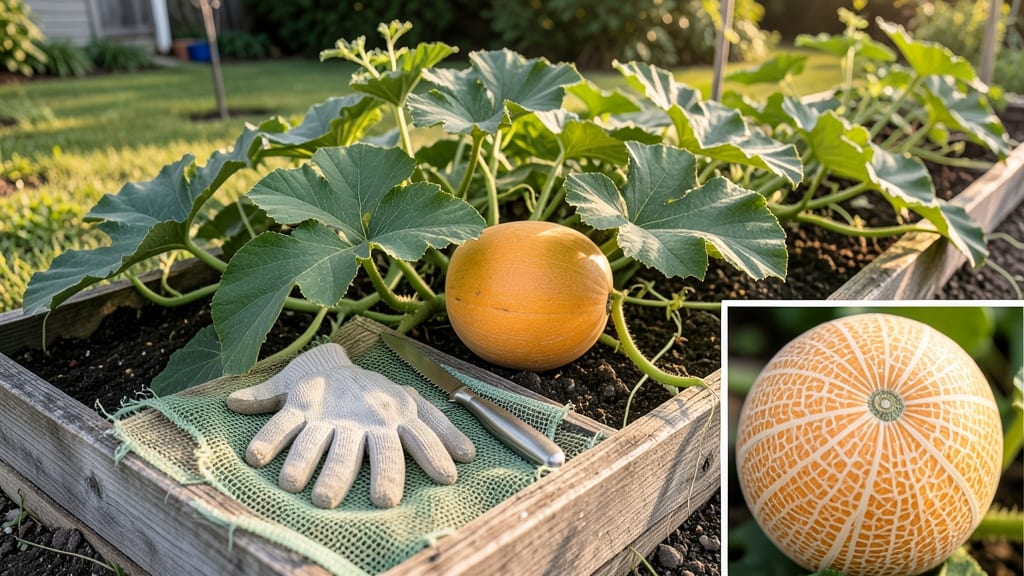
To pick cantaloupe from your garden at just the right moment means the difference between sweet, juicy perfection and a meal of bland, underripe fruit.
Picture this: you’ve nurtured your 🍈 plants all season, and now the moment of truth arrives. But how do you know when that cantaloupe is truly ready? Grab a notebook—because the signs are easier to spot than you think, and missing them means wasting weeks of hard work.
Most gardeners wait for the rind to turn creamy yellow or the stem to slip with a gentle tug, but there’s more to it. The fruit should also feel heavy for its size, emit a sweet aroma at the stem, and resist a thumbnail press just slightly.
These cues work whether you’re in Zone 6a or a warmer region, though timing shifts slightly based on your last frost date.
Below, I’ll break down the three foolproof ways to test ripeness without cutting open the fruit, plus what happens if you pick too early (or too late) and how to salvage it. No more guesswork—just sweet, garden-fresh cantaloupe every time.


3 Visual signs your cantaloupe is ready for harvest (don’t miss these!)
Nothing beats the satisfaction of harvesting cantaloupe straight from your garden—especially when it's perfectly ripe. The key to sweet, juicy fruit lies in recognizing three foolproof visual cues.
These signs ensure you don’t miss peak ripeness and avoid the disappointment of underripe or overripe melons. Let’s explore what to look for before you pick.
First, pay attention to the rind color. A ripe cantaloupe develops a creamy yellow hue with a distinct net-like pattern (called netting). This pattern becomes more pronounced as the fruit matures.
If the rind is still green or dull, it’s not ready yet. The color change signals the fruit’s sugars have fully developed.
Next, check the stem separation. When ripe, the stem near the fruit should slip easily with slight pressure. This happens because the fruit’s sugars break down the pectin that holds the stem in place.
If the stem resists or snaps off cleanly, the melon may be overripe. This simple test saves you from cutting into unripe fruit.
Finally, observe the fruit’s weight and feel. A ripe cantaloupe feels heavy for its size because it’s packed with juice and seeds. Tap it gently—it should sound hollow, like a drum.
If it feels light or sounds dull, it’s not ready. This heft is your guarantee of juicy, flavorful flesh.
| Sign | Unripe Cantaloupe | Ripe Cantaloupe |
|---|---|---|
| Rind Color | Green or dull 🟢 | Creamy yellow with netting 🟡 |
| Stem Separation | Firmly attached 🤏 | Slips easily with tug ✂️ |
| Aroma | No sweet smell 👃 | Strong sweet fragrance 👃 |
| Weight | Light for size | Heavy for size |
The netting pattern on the rind is another clue not to overlook. This web-like design isn’t just for looks—it’s a sign of maturity. As the cantaloupe ripens, the netting becomes more defined and raised.
If you’re unsure, compare your fruit to a ripe cantaloupe from the store. The patterns should look similar, though homegrown melons often have deeper, more pronounced netting.
Pro tip: Harvest in the morning when temperatures are cooler. This preserves the fruit’s sweetness and makes it easier to spot the visual cues without the heat of the day affecting the rind’s appearance.
Early harvesting also reduces the risk of pests or animals getting to your ripe melons before you do.
Don’t rely on just one sign—combine all three for accuracy. A cantaloupe with creamy yellow netting, a slippery stem, and a heavy feel is your ticket to garden-fresh sweetness.
If you’re still unsure, wait a day or two and check again. Patience pays off with perfectly ripe fruit every time.
Once you’ve mastered these visual cues, you’ll never second-guess your cantaloupe harvest again. And remember, the sooner you pick ripe melons, the sooner your garden will produce more! Happy harvesting! 🍈
How to test cantaloupe ripeness without cutting it open (3 simple methods)
Nothing beats the excitement of watching cantaloupe grow in your garden—until you’re left wondering if it’s ready to pick. Testing ripeness without cutting saves you from disappointment and ensures that mealy, underripe fruit never makes it to your table.
These three methods work like magic and require nothing more than your senses and a little patience.
Cantaloupes develop sweetness as they ripen, but overripe fruit loses its flavor and becomes mushy. The key is to check for ripeness 2-3 days before you plan to harvest, since cantaloupes continue to ripen slightly after picking. Here’s how to tell when your cantaloupe is at its peak—without the guesswork.
🌱 When to Pick Cantaloupe: 3 Key Tests
- 1 Thumb Press Test: Press your thumb into the blush side (creamy yellow area). If it yields slightly (like pressing soft skin), it’s ripe. A hard press means it’s too firm; no give means it’s overripe.
- 2 Scent Check: Gently twist the stem away from the fruit. A ripe cantaloupe releases a powerful sweet aroma at the stem end. No smell? It’s not ready yet.
- 3 Sound Test: Tap the fruit with your knuckles. A ripe cantaloupe sounds hollow (like a drum). A dull thud means it’s still firm and unripe.
I’ve made the mistake of picking cantaloupe too early—only to end up with fruit that tasted like water. The thumb press test is my go-to because it’s instant feedback. If the skin gives just a little, that’s your cue to harvest within the next 24 hours.
Pro tip: Morning is the best time to test, as temperatures are cooler and the fruit is firmer.
The scent check is often the most reliable, especially for varieties like Hale’s Best or Athena, which develop a strong fragrance when ripe. If you’re growing cantaloupe in a hot, dry climate, the scent might be even more pronounced.
But if your garden is humid, the aroma can be subtle—so combine this test with the thumb press for accuracy.
For gardeners who love a little science, the sound test works because ripe cantaloupe has a higher water content. The hollow sound confirms that the fruit is juicy and sweet.
Avoid testing overripe fruit this way, though—it’ll sound mushy and flat. If you hear a dull thud, wait another day or two before retesting.
Remember: Cantaloupes don’t ripen further after picking like some fruits (looking at you, tomatoes). Once you’ve confirmed ripeness with these tests, harvest within 24-48 hours to enjoy the perfect balance of sweetness and texture.
And if you’re still unsure? Pick a few at once—you can always ripen them indoors on a sunny windowsill for a day or two.
Now that you’ve mastered these tests, you’ll never second-guess your cantaloupe again. Happy harvesting—and may your garden yield the sweetest, juiciest fruit of the season! 🍈