
Tools
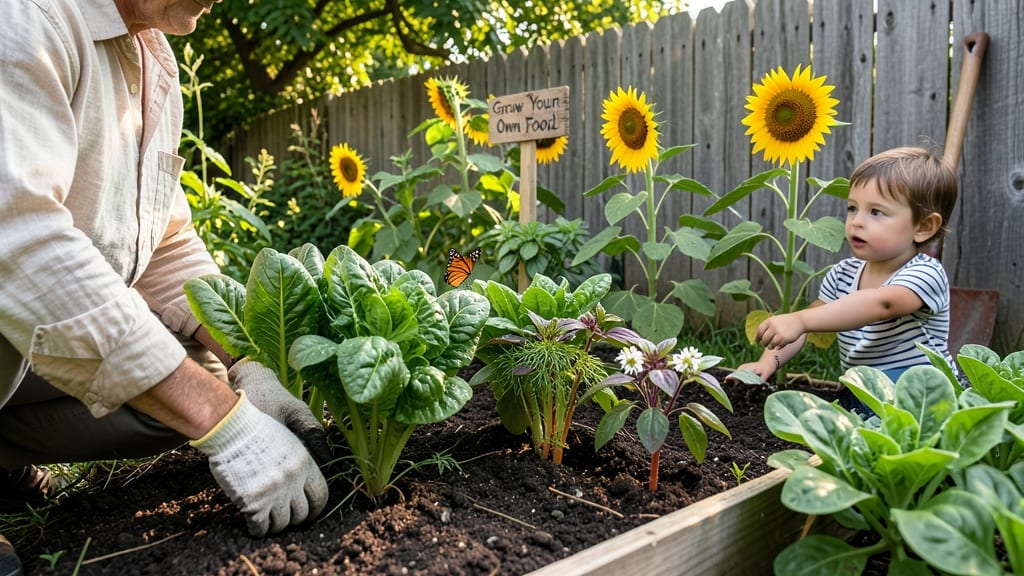
Gardening is important because it reduces stress, boosts mood through exposure to nature, and fosters community connections while improving physical health and food security. Studies show it lowers cortisol levels and enhances cognitive function, especially in urban environments.
Gardening matters far beyond just growing plants—it's a proven way to improve your well-being. 🌱 The simple act of working with soil releases endorphins, which naturally elevate your mood, while the rhythmic motions of planting and weeding create a meditative effect.
Many urban gardeners report feeling more connected to their neighborhoods through shared green spaces, which also help reduce food insecurity by providing fresh produce.
What's more interesting is how gardening engages multiple senses, from the smell of fresh herbs to the tactile experience of handling soil, creating a full-body wellness experience.
Research shows that even small garden plots can significantly lower stress hormones like cortisol, making it an accessible therapy for anyone. 🌿 The physical activity involved, whether bending to plant seeds or carrying watering cans, contributes to better cardiovascular health without feeling like exercise.
Plus, the sense of accomplishment from watching something grow—from seed to harvest—builds confidence and purpose, especially in communities where access to fresh food is limited.
💡 In This Article
- Science-Backed Mental and Physical Health Benefits of Gardening
- How Community Gardens Strengthen Neighborhoods and Food Systems
Science-backed mental and physical health benefits of gardening
Gardening triggers a cascade of physiological responses that directly impact mental well-being. When you handle soil, your hands interact with beneficial microbes like Mycobacterium vaccae, which research from the University of Bristol shows can stimulate the production of serotonin—a neurotransmitter that regulates mood and happiness.
These microbes activate the same pathways in your brain as certain antidepressants, creating what scientists call a "natural antidepressant effect." 🌱 The physical act of gardening also engages your parasympathetic nervous system, which counteracts the "fight-or-flight" stress response by lowering heart rate and blood pressure.
The sensory experience of gardening plays a crucial role too. Studies published in the Journal of Health Psychology found that the combination of sunlight exposure (boosting vitamin D levels), fresh air, and the rhythmic motions of planting or weeding creates a form of "active relaxation."
Unlike passive activities, gardening provides light physical exercise—equivalent to a 30-minute walk—while the visual stimulation of growing plants reduces mental fatigue.
For urban dwellers, this exposure to greenery has been measured to decrease symptoms of attention deficit by up to 30% according to a 2019 study from the University of Michigan.
What makes gardening uniquely effective is its ability to combine mindfulness with tangible results.
The practice of focused attention on planting, watering, and nurturing creates a meditative state similar to yoga or tai chi, but with the added benefit of seeing immediate progress. 💫 Neuroscientists at the University of Florida found that gardeners experience increased alpha brain waves—associated with relaxation—while working with plants.
This "growth mindset" effect also boosts cognitive function, particularly in older adults, where gardening has been shown to delay cognitive decline by engaging memory and problem-solving skills.
The physical health benefits extend beyond stress reduction. Gardening provides a full-body workout that improves flexibility, strength, and coordination without feeling like exercise. Tasks like digging (which engages 200+ muscles) and carrying plants strengthen bones, while the repetitive motions improve fine motor skills.
The exposure to sunlight during gardening also helps regulate circadian rhythms, which is crucial for sleep quality—something that's often compromised in modern urban lifestyles. Even the act of touching soil has been linked to reduced inflammation, as the organic compounds in dirt interact with your skin's microbiome.
For those with limited mobility, container gardening offers accessible alternatives that still deliver these benefits. Research from the American Society for Horticultural Science found that even 15 minutes of container gardening can improve hand grip strength by 12%—a critical measure for preventing arthritis.
The key is consistency; studies show that regular gardening (even just 3 times per week) can lead to measurable improvements in both mental and physical health markers within 8-12 weeks. This makes gardening one of the most accessible forms of self-care, requiring minimal investment but yielding profound results.
What most people don't realize is how gardening creates what psychologists call a "flow state"—a mental state where you're completely absorbed in an activity.
This happens when the challenge of gardening (like troubleshooting plant health) matches your skill level, creating a sense of timelessness. 🌿 The combination of this flow state with the natural rewards of growing food creates a powerful feedback loop for motivation and well-being.
It's why gardening therapy programs in hospitals and rehabilitation centers have shown success rates comparable to traditional talk therapy for anxiety and depression.