
Tools
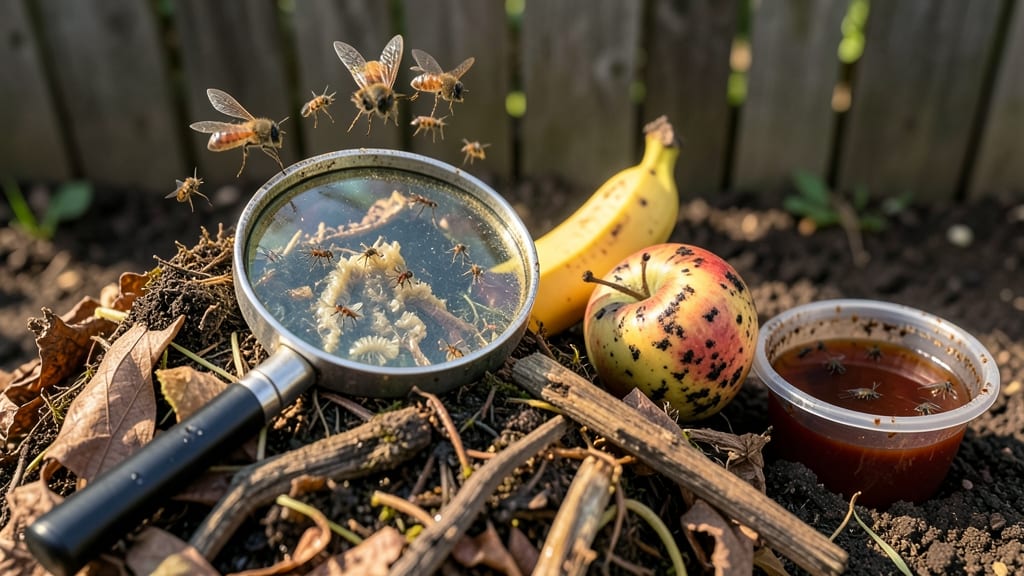
There are so many flies in your garden because rotting organic material, overripe produce, stagnant water sources, and pet waste provide perfect breeding conditions and food sources. Addressing these hotspots quickly can cut fly populations by up to 80% within days.
Flies thrive in gardens because they're drawn to decaying plant matter, which releases odors that signal food and breeding sites. 🌱 Overripe fruit on the ground or compost piles become breeding grounds within 24 hours, while standing water creates ideal environments for fly larvae.
Even pet waste in outdoor areas becomes a magnet. The warmer the season, the faster these populations grow—so spring and summer are peak times for fly infestations. I've found that removing these attractants within 48 hours can prevent flies from establishing themselves permanently.
What makes this worse is that flies reproduce incredibly fast—some species can lay up to 500 eggs in a single batch. This means what starts as a minor annoyance can become a full-blown infestation within days if left unchecked.
The key is consistent maintenance: regular cleanup of fallen fruit, proper drainage to eliminate standing water, and sealing compost piles tightly. Even small changes like these can make your garden significantly less appealing to flies.
💡 In This Article
- Common Garden Fly Attractants and Their Life Cycles
- Natural and Chemical Fly Control Methods for Gardens
Common garden fly attractants and their life cycles
Flies are drawn to your garden because they've evolved to detect decaying organic matter through chemical signals called volatile organic compounds (VOCs). When fruit rots or leaves decompose, they release ethanolic fermentation odors and ammonia-based compounds that flies can sense from up to 100 feet away.
For example, a single overripe apple can attract 50-100 flies within 30 minutes as its sugars ferment into alcohol and acids. The warmer the temperature (above 70°F), the faster these compounds develop and the more aggressive flies become in their search for food.
The life cycle of common garden flies like house flies and fruit flies is shockingly rapid. Female flies can lay 100-500 eggs at a time in moist organic material, and these eggs hatch into larvae within 8-24 hours during warm weather.
The larvae then feed on the decaying matter for 3-7 days before pupating, completing the cycle in just 2-3 weeks. This means a single generation can become hundreds of flies in less than a month.
Standing water creates an additional problem—it's not just for mosquitoes. Many fly species use shallow water to lay eggs, and these larvae can emerge as adults in just 4-5 days.
Seasonal patterns play a huge role in fly populations. Spring and summer create ideal conditions because temperatures consistently stay above 60°F, accelerating both breeding and feeding activity. I've noticed that after heavy rains, fly numbers spike dramatically because the moisture triggers faster decomposition of organic matter.
Even pet waste becomes a major attractant—dog and cat feces contain proteins that flies detect through odorant-binding proteins in their antennae. A single scoop of pet waste left uncovered can attract 20-50 flies within an hour, creating a self-perpetuating cycle as more flies are drawn to the area.
Compost piles are particularly problematic because they combine all the elements flies love: warmth, moisture, and organic decomposition. A poorly managed compost pile can reach 140-160°F internally, creating a perfect incubator for fly larvae.
The key difference between a fly-attracting pile and a balanced one is oxygen flow—anaerobic (low-oxygen) conditions produce more odorous compounds that flies seek out. Even well-maintained compost can attract flies if it's not turned regularly to prevent surface buildup of organic matter.
The solution lies in maintaining a 3:1 ratio of brown (carbon-rich) to green (nitrogen-rich) materials and turning the pile every 1-2 weeks to keep it aerobic.
What most gardeners don't realize is that flies also use visual cues to locate food sources. They're particularly drawn to dark, damp areas where organic matter accumulates. This is why mulch piles, leaf litter, and even damp cardboard become fly magnets.
The contrast between light and dark helps flies navigate to these hidden food sources. Understanding this behavior explains why flies often appear in waves—when one fly finds a food source, it releases pheromones that attract others, creating what feels like a sudden infestation.
Breaking this cycle requires removing these visual and olfactory triggers systematically.
Consider these key attractants and their fly response patterns:
- Overripe fruit: Releases ethyl acetate (a fruity-smelling VOC) that attracts flies within 15-30 minutes of rotting
- Standing water: Creates breeding sites where larvae develop in 4-7 days during warm weather
- Pet waste: Contains indole and skatole compounds that flies detect from 50+ feet away
- Compost piles: Generate ammonia and hydrogen sulfide that accelerate fly breeding cycles
- Decaying vegetation: Produces volatile fatty acids that signal food availability to flies