
Planting
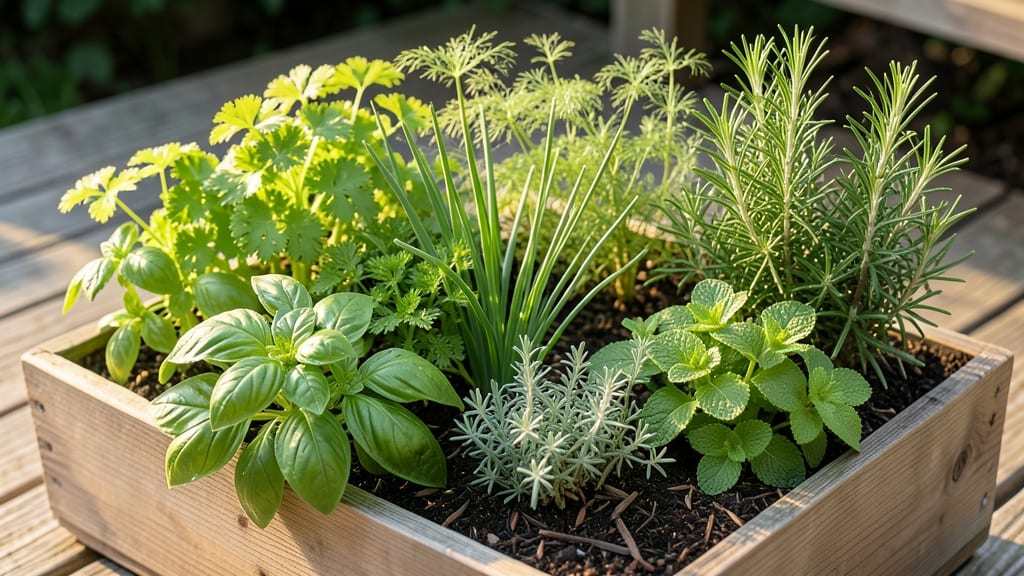
Planting herbs in the garden is one of the fastest ways to turn a patch of soil into a kitchen pantry and a pollinator magnet—some varieties even sprout in just 10 days.
Picture this: a sunny afternoon where you snip fresh basil for pasta, then watch bees buzzing over thyme flowers just inches away. That’s not a dream—it’s what happens when you choose the right herbs.
The key is picking plants that grow quickly, resist pests, and thrive in your space, whether you’ve got a sunny windowsill or a full backyard.
Below, I’ve rounded up the 15 fastest-growing herbs for cooking, medicine, and supporting local wildlife. These aren’t just pretty faces; they’re powerhouses that deliver flavor, healing properties, and biodiversity—all while outpacing weeds. No green thumb required.
You’ll learn which herbs to plant for speed, how to pair them for maximum growth, and the simple tricks to keep them producing all season. Let’s get your garden (and your meals) buzzing with life.
15 Fastest-growing herbs for cooking & pollinator-friendly gardens
If you're dreaming of a bountiful herb garden that fills your kitchen with flavor and your yard with buzzing pollinators, you're in the right place. These 15 fast-growing herbs deliver quick harvests—some in as little as 30 days—while attracting bees, butterflies, and beneficial insects.
The best part? Most thrive in partial shade to full sun, making them perfect for containers, window boxes, or in-ground beds.
I've ranked these herbs by growth speed, culinary versatility, and pollinator appeal, so you can prioritize based on your garden goals. Whether you're a beginner or a seasoned green thumb, these powerhouse plants will transform your space into a functional, fragrant oasis in record time.
| Herb | Growth Time | Sun Needs | Pollinator Value | Culinary Uses | ||||||||||||||||||||||||||||
|---|---|---|---|---|---|---|---|---|---|---|---|---|---|---|---|---|---|---|---|---|---|---|---|---|---|---|---|---|---|---|---|---|
| Cilantro | 30-40 days | Full sun | High (bees, hoverflies) | Salsas, soups, garnishes | ||||||||||||||||||||||||||||
| Dill | 45-60 days | Full sun | Very high (bees, butterflies) | Pickles, fish, salads | ||||||||||||||||||||||||||||
| Basil | 45-60 days | Full sun | Moderate (bees, wasps) | Pesto, tomatoes, salads | ||||||||||||||||||||||||||||
| Chives | 60-75 days | Partial sun | High (bees, butterflies) | Potatoes, soups, garnishes | ||||||||||||||||||||||||||||
| Parsley | 70-80 days | Partial shade | Moderate (hoverflies) | Garnishes, stocks, salads | ||||||||||||||||||||||||||||
| Thyme | 90-120 days | Full sun | Very high (bees, butterflies) | Roasts, stews, breads | ||||||||||||||||||||||||||||
| Oregano | 90-120 days | Full sun | High (bees, butterflies) | Pizza, pasta, marinades | ||||||||||||||||||||||||||||
| Mint | 60-75 days | Partial shade | Very high (bees, hummingbirds) | Tea, desserts, cocktails | ||||||||||||||||||||||||||||
| Rosemary | 120-150 days |
How to choose herbs that thrive in your climate & garden spaceSelecting the right herbs for your garden depends on two key factors: your local climate and the available space. Different herbs thrive in USDA hardiness zones 3-11, so knowing your zone helps you pick resilient varieties. For example, thyme and rosemary love hot, dry climates (zones 7-11), while parsley and cilantro prefer cooler zones (4-9). Your garden’s sunlight exposure and soil type also play critical roles. Most herbs need at least 6 hours of sun daily, but some like mint and chives tolerate partial shade. Meanwhile, well-draining soil is a must—herbs hate soggy roots. If your soil is heavy clay, consider raised beds or containers to improve drainage. Here’s how to match your herbs to your space and climate for maximum success:
For small spaces, prioritize compact herbs like thyme, oregano, or chives, which thrive in containers or window boxes. These herbs need minimal room but pack big flavor. If you have full sun and space, larger herbs like dill or sage will flourish in in-ground beds, reaching heights of 2-3 feet. Check your USDA zone (find it [here](https://planthardiness.ars.usda.gov/)) to avoid frost-sensitive herbs like basil in cold climates. In zones 3-5, opt for hardy perennials like lavender or lemon balm, which survive winter. In zones 8-11, focus on heat-loving herbs such as oregano or tarragon. Pro tip: Group herbs with similar needs together. For example, sun-loving herbs (basil, rosemary) near each other and shade-tolerant herbs (mint, chives) in partially shaded spots. This simplifies care and maximizes your garden’s potential. Start with 2-3 herbs that match your climate and space, then expand as you gain confidence. Happy planting! 🌿 |