
How To
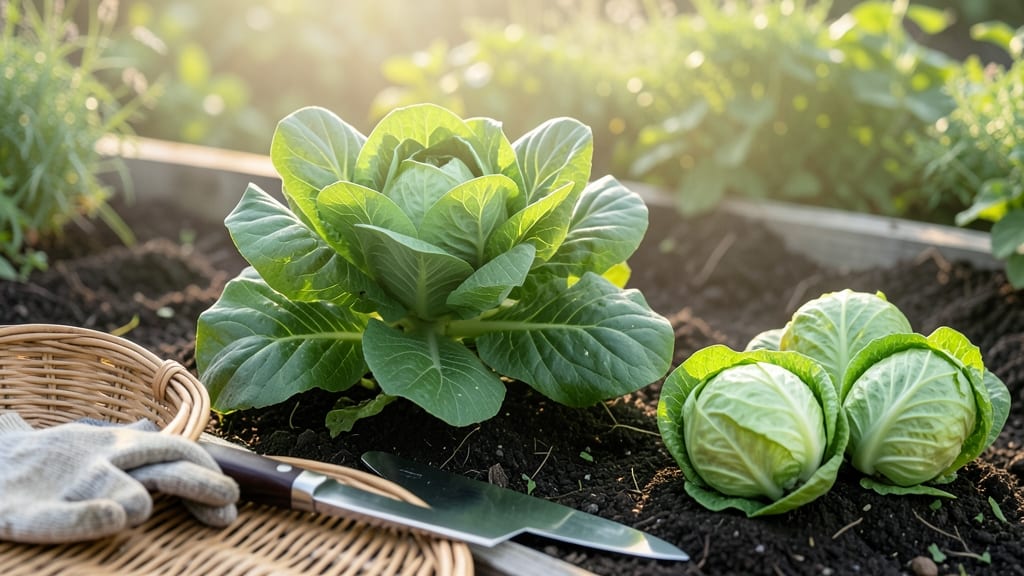
Harvesting lettuce from your garden at the right time keeps those crisp 🥬 greens coming back for more—without turning bitter or bolting into seed stalks.
Picture this: you’ve nurtured your lettuce for weeks, and now the outer leaves are 4-6 inches long, vibrant, and ready to eat.
But if you wait too long, you’ll end up with a sad, woody center or a plant that shoots up into a flower stalk faster than you can say "pesto."
The key to a steady harvest is cutting just the outer leaves—never more than a third of the plant at once—so the center keeps growing. With the right timing and tools, you can enjoy fresh lettuce for weeks, not just days.
Below, I’ll walk you through when to harvest, the best tools for the job, and how to avoid common mistakes that turn your garden into a bitter disappointment.

When and how to harvest lettuce for continuous regrowth
Harvesting lettuce at the right time isn't just about getting fresh greens—it's about encouraging your plants to keep producing. When you cut leaves properly, your lettuce can regrow for weeks, giving you a steady supply of crisp, flavorful greens instead of one-time harvests.
The key is timing: wait until leaves reach 4-6 inches long and have formed a tight rosette. This ensures you're harvesting mature leaves without stressing the plant beyond recovery.
Weather plays a crucial role too. Harvest on cool, overcast days to prevent wilting, and always use clean, sharp tools to make precise cuts. Avoid harvesting during heatwaves or extreme temperatures, as this can shock the plant and trigger bolting—the process where lettuce sends up bitter flower stalks.
Morning harvests are ideal because the leaves are fully turgid with water, making them crisp and ready to eat.
Here's how to harvest lettuce for continuous regrowth without damaging your plants:
Step-by-Step Lettuce Harvest Guide
- Step 1: Choose the right leaves. Pick the outer leaves first—these are mature enough to harvest while leaving the inner leaves to grow. Avoid cutting more than 1/3 of the plant at once to maintain energy for regrowth.
- Step 2: Use the proper tools. Grab a pair of clean, sharp scissors or a knife. Dull tools crush leaves and create jagged cuts that invite disease. For small gardens, scissors are ideal; for larger plants, a knife offers more control.
- Step 3: Make clean cuts. Angle your blade at 45 degrees and cut just above a leaf node or the base of the stem. This encourages new growth from the remaining plant. Never tear leaves—it weakens the plant and slows regrowth.
- Step 4: Harvest in stages. For loose-leaf varieties like Buttercrunch or Black Seeded Simpson, you can pick individual leaves as they mature. For head lettuce like Iceberg, cut the entire head when fully formed and leave the base to regrow smaller leaves.
- Step 5: Post-harvest care. After cutting, water the plant thoroughly to replenish moisture lost during harvest. Add a light mulch around the base to retain soil moisture and protect roots from temperature fluctuations.
- Step 6: Monitor regrowth. Check your lettuce every 3-5 days for new growth. If the center leaves start yellowing or the plant looks stressed, it may be time to harvest the remaining leaves or let it bolt for seeds (if you're saving them for next season).
One common mistake is harvesting too aggressively. If you cut more than 1/3 of the plant at once, the lettuce may not recover and could bolt prematurely. Instead, think of your harvests as light trims—like giving your plant a haircut rather than a buzz cut.
This approach keeps the plant healthy and encourages continuous production for weeks.
For varieties like Romaine or Leaf Lettuce, you can often get 3-4 harvests per season using this method. Just remember: the more gently you harvest, the longer your lettuce will keep producing.
Even after the main head is gone, the base will often sprout new leaves if you maintain proper care.
If your lettuce starts to bolt—notice tall flower stalks shooting up—it's a sign you've waited too long or the plant is stressed. While bolting means the end of leaf production, you can still save the seeds for next year's garden.
To prevent bolting, always harvest before the plant reaches 12 inches tall and keep it well-watered and shaded during hot afternoons.
Pro tip: Use a small hand pruner for precise cuts if your hands aren't steady. The cleaner the cut, the faster the regrowth. And always wash your tools with soapy water and disinfect with rubbing alcohol between harvests to prevent the spread of disease from plant to plant.
With the right timing and technique, your lettuce can keep you in fresh greens for months. Start harvesting when leaves are 4-6 inches long, use sharp tools, and avoid cutting more than 1/3 of the plant at once. Your garden—and your salads—will thank you!
Signs your lettuce is ready for harvest (and when to avoid cutting)
Knowing when to harvest your lettuce makes all the difference between crisp, flavorful greens and bitter, bolted plants. The key is watching for mature leaf size—typically 4-6 inches long—while avoiding the classic signs of bolting like tall flower stalks or yellowing leaves.
Cutting too early wastes potential harvests, while waiting too long risks losing your entire plant to seed production.
Start by checking the outer leaves of your lettuce plants. If they’re fully formed, deep green or vibrantly colored, and crisp to the touch, they’re ready for harvest. These leaves should also feel firm but flexible, not rubbery or floppy.
Taste-testing a small piece is another foolproof method—if the flavor is mild and sweet, it’s time to harvest.
⚠️ PROS-CONS BOX: Harvesting Lettuce at the Right Time
✅ PROS of Harvesting at the Right Time
- 🥬 Crisp texture and sweet flavor
- 🌱 Encourages regrowth for multiple harvests
- ✂️ Clean cuts prevent disease
❌ CONS of Harvesting Too Late or Early
- 🌱 Bolting turns leaves bitter
- 📏 Small leaves mean wasted growth
- 🌡️ Heat stress ruins remaining harvest
One of the biggest mistakes I see is ignoring the bolting warning signs. If your lettuce sends up a tall flower stalk (often 12+ inches), it’s too late for a quality harvest. The leaves will turn bitter and tough, making them inedible.
Similarly, if the leaves start yellowing or developing brown edges, it’s a sign of stress or disease, not readiness. Always prioritize healthy green leaves over size.
For cut-and-come-again varieties like leaf lettuce or buttercrunch, you can harvest outer leaves first, leaving the inner rosette intact. This method lets you enjoy multiple harvests per plant over several weeks.
Just avoid cutting more than one-third of the plant at once to keep it productive. If you’re growing head lettuce like romaine or iceberg, harvest the entire head when it’s fully formed.
Timing also matters based on your climate and season. In spring or fall, when temperatures are mild, lettuce grows quickly and is ready in 30-45 days. But in hot summer months, growth slows, and plants may bolt faster.
If you notice small, sparse leaves even after weeks of growth, it’s likely due to heat stress or insufficient water. Adjust your shade cloth use or watering schedule to prevent this.
Finally, always harvest on a cool morning after dew has dried. This keeps your lettuce crisp and fresh longer. Store harvested leaves in the fridge in a damp paper towel to maintain quality for up to a week.
By mastering these signs, you’ll enjoy a steady supply of homegrown greens all season long. 🥬