
Tools
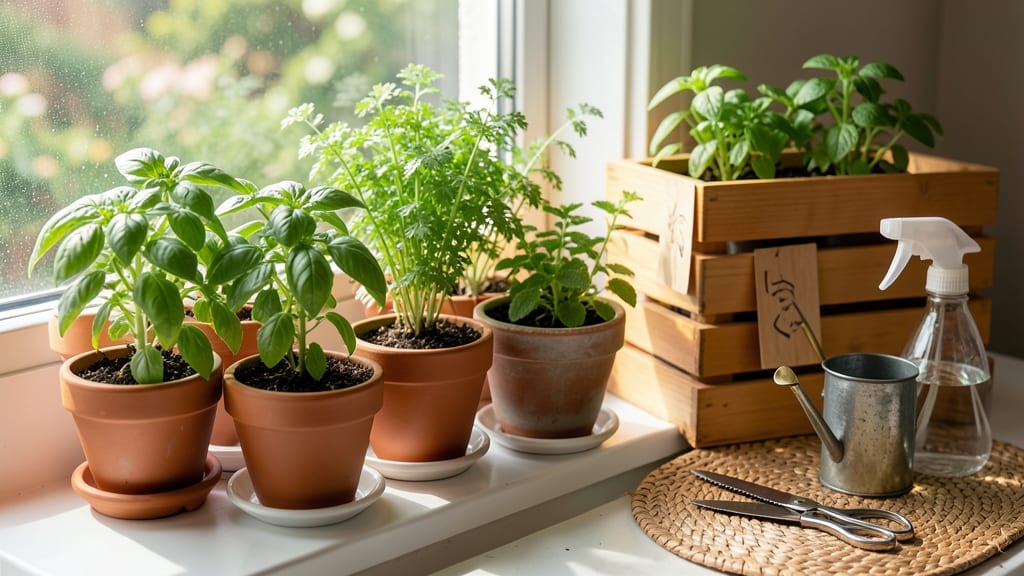
Starting a do-it-yourself indoor herb garden means picking small, fast-growing plants like basil or thyme, placing them near a sunny window or under grow lights for 6-8 hours daily. Use shallow pots with drainage and lightweight soil to keep roots healthy, and water just enough to keep the soil damp—not soggy.
A do-it-yourself indoor herb garden is all about working with your space and light conditions. 🌱 Many herbs, like chives or cilantro, grow well in small pots, while others, such as rosemary, need deeper containers.
I’ve found that terracotta pots help wick away excess moisture, but plastic ones retain humidity better for tropical herbs. The key is matching the plant’s needs to your setup—whether that’s a sunny kitchen window or a grow light on a shelf.
Lighting is often the biggest challenge indoors, but even a basic LED bulb designed for plants can make a huge difference. 💡 For watering, I recommend checking soil moisture with your finger before adding more—overwatering is the fastest way to kill your herbs.
A self-watering system can save time, especially if you travel often, but it’s not always necessary for small setups.
💡 In This Article
- Choosing the Right Herbs and Containers for Small Spaces
- DIY Indoor Herb Garden Lighting and Watering Solutions
Choosing the right herbs and containers for small spaces
Herbs like basil and parsley thrive indoors because they grow quickly and don't need much space. Basil, for example, reaches about 12-18 inches tall but stays compact if pruned regularly, while parsley grows in a bushy 6-10 inch mound.
These plants prefer 4-6 hours of direct sunlight daily, but even 3-4 hours can work with supplemental grow lights.
The key is matching the herb's natural growth habit to your available space—tall herbs like rosemary (up to 3 feet) need deeper containers (at least 6 inches deep) and benefit from vertical placement.
Container choice affects moisture retention and root health. Terracotta pots breathe better, preventing root rot in herbs like thyme, but they dry out faster—ideal for Mediterranean herbs that dislike soggy roots. Plastic pots retain moisture longer, perfect for tropical herbs like mint, but risk stagnant water if drainage isn't perfect.
Fabric grow bags offer a middle ground, allowing airflow while holding moisture, and they're lightweight for hanging setups. For small spaces, 6-inch diameter pots work for most herbs, but rosemary needs 8-10 inches to accommodate its deeper root system. 🌿
Vertical space is your best friend when working with limited square footage. Tiered plant stands let you stack 3-4 pots in a 12-inch square footprint, while hanging planters free up floor space.
Herbs like chives or mint trail beautifully in macramé hangers, while upright varieties like dill or cilantro grow well in wall-mounted pockets. The trick is arranging herbs by height—tallest in the back, shortest in front—to maximize light exposure for all plants.
A sunny windowsill can support 6-8 herbs this way without crowding.
Drainage is non-negotiable—herbs hate wet feet. Always use containers with drainage holes and a well-draining potting mix (a blend of 50% potting soil, 30% perlite, and 20% compost works well). Without proper drainage, roots suffocate and turn brown within 2-3 days.
For extra insurance, add a 1-inch layer of pebbles at the bottom of pots to improve airflow. This simple step prevents the most common indoor herb killer: overwatering caused by poor drainage. 💧
Light needs vary by herb, but most indoor varieties tolerate 4-6 hours of indirect light daily. South-facing windows provide the most natural light, but east or west windows work too—just supplement with a 12-inch LED grow light for 2-3 hours if growth slows.
Herbs like basil and cilantro signal light deprivation by stretching toward the light (a condition called "legginess"), while parsley and thyme grow more slowly but still produce leaves. The solution is simple: rotate pots quarter-turns weekly to ensure even growth.
Consider companion planting to save space and boost growth. For example, basil and parsley grow well together—their root systems complement each other without competing for nutrients. Mint, however, spreads aggressively and should be kept separate or planted in a contained fabric pot buried in the soil.
This prevents it from taking over your garden. The right herb pairings can cut your space needs by 30% while improving yields. 🌱