
Tools
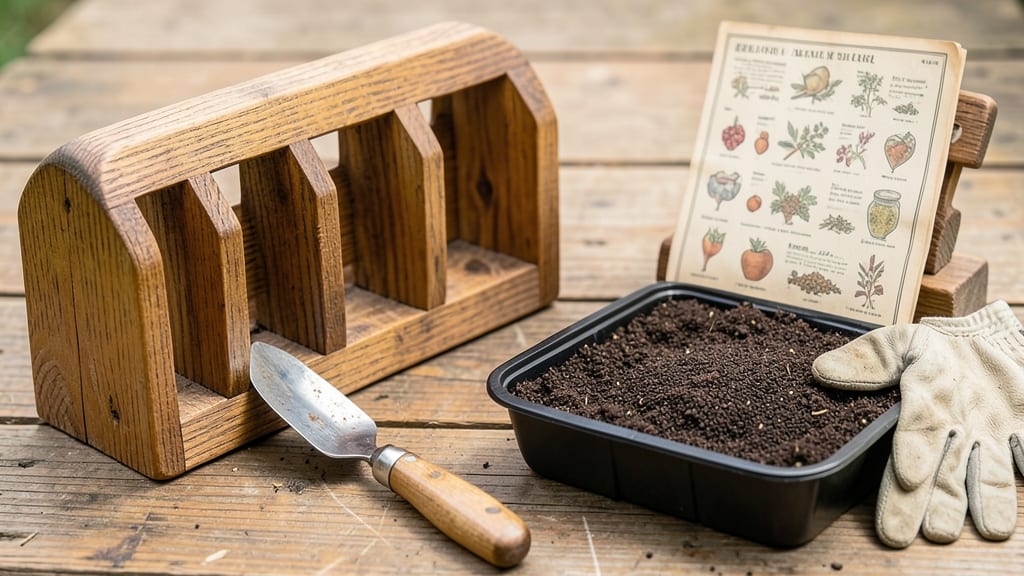
Where to get seeds for your garden includes trusted online retailers like Baker Creek Heirloom Seeds or local nurseries for fresh, region-specific varieties. Explore seed-saving libraries or farmers' markets for organic and heirloom options that guarantee quality and variety for your planting needs.
Finding quality seeds starts with knowing where to look.
Online retailers offer convenience and access to rare varieties, but local sources provide freshness tailored to your climate. 🌱 I always recommend checking reviews for online sellers to avoid mislabeled seeds, while local nurseries often carry seeds adapted to your region's growing conditions.
Seed-saving libraries and farmers' markets are great for organic options and supporting small-scale growers.
For beginners, I suggest starting with a mix of both sources. Online stores let you order specialty seeds, while local options help you test what grows best in your area.
Always check seed packets for expiration dates—older seeds may not germinate well. This dual approach ensures you have both diversity and reliability for your garden's success.
💡 In This Article
- How to Choose Reliable Online Seed Suppliers
- Best Local Sources for Fresh Garden Seeds
How to choose reliable online seed suppliers
The trustworthiness of online seed suppliers comes down to three key factors: organic certification, germination guarantees, and customer reviews. Reputable companies like Baker Creek Heirloom Seeds or Seed Savers Exchange provide detailed growing instructions and often include germination test results on their websites.
For example, their seed packets typically list a 90-95% germination rate for fresh seeds, while lesser-known sellers might only claim 80% without proof. 💛
Seed quality also varies based on storage conditions. Online retailers with climate-controlled warehouses maintain ideal humidity levels (around 30-40% relative humidity) to prevent seed deterioration, unlike local stores that may expose seeds to fluctuating temperatures.
The packaging matters too—seeds in mylar bags with oxygen absorbers (like those from High Mowing Seeds) stay viable for 2-3 years, while paper packets can degrade faster. Always check the packaging date to avoid seeds older than 1-2 years, which may have reduced viability.
Red flags include vague descriptions, no contact information, or sellers that don't disclose their location. Legitimate suppliers will have transparent shipping policies (typically 2-5 business days for domestic orders) and offer clear return policies for damaged or non-germinating seeds.
I've seen scams where seeds arrive mislabeled—always cross-reference the seed packet with the product description on the retailer's website to confirm the variety and growing instructions. 🔥
For specialty seeds, online suppliers often carry varieties that aren't available locally. For instance, rare heirloom tomatoes like 'Black Krim' or exotic peppers like 'Bhut Jolokia' are easier to source from online specialists.
However, these seeds may cost $2-$5 per packet compared to $1-$2 for common varieties at local stores. The trade-off is access to unique genetics that can improve your garden's resilience and flavor diversity.
Another advantage of online suppliers is their educational resources. Many provide free growing guides, blog posts, and even video tutorials that help you understand seed-saving techniques. For example, Seed Savers Exchange offers a Seed Saving 101 course that teaches proper isolation distances for cross-pollination.
This level of support is rare in local stores, where staff may not have the time to explain advanced gardening concepts. 🌱
Before purchasing, always verify if the online retailer offers organic certification (look for the USDA Organic or OMRI-listed labels). Organic seeds are treated with fewer chemicals, which is crucial if you're growing food for your family.
Some online sellers also provide bulk options, which can save money for large gardens—just ensure the seeds are stored properly to maintain their viability.