
Fertilization
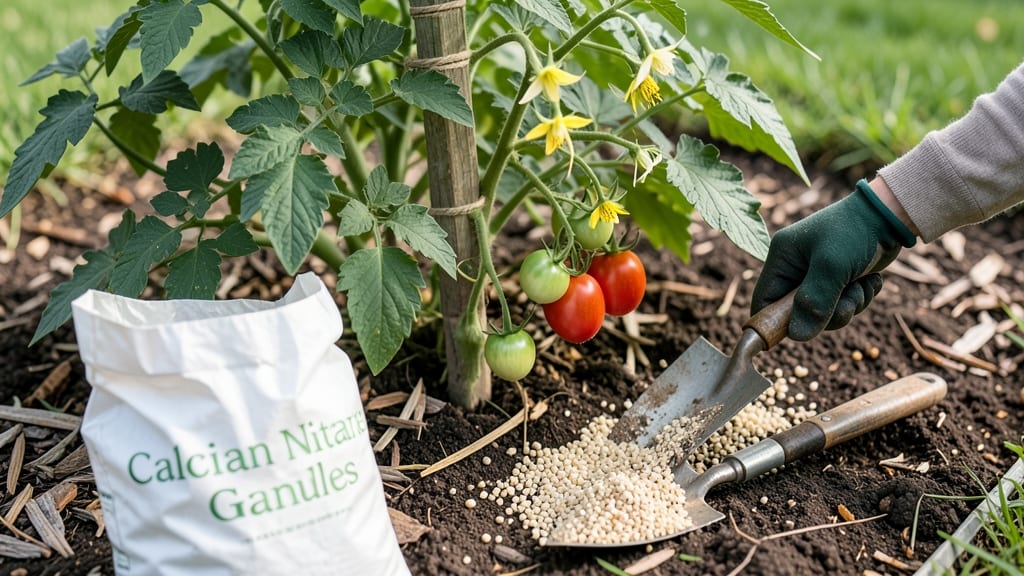
Garden tomatoes need calcium to grow strong, prevent blossom-end rot, and deliver sweet, healthy fruit—but most soils don’t provide enough on their own.
Picture this: your tomato plants are thriving—until suddenly, the fruit starts developing ugly, brown, cauliflower-like scars. That’s blossom-end rot, a classic sign your 🍅 are starving for calcium. Without quick action, you could lose half your harvest before you even taste a ripe tomato.
Calcium isn’t just about fixing problems—it’s the foundation for sturdy stems, disease resistance, and flavor. The good news? You don’t need a degree in chemistry to boost it.
From crushed eggshells to targeted fertilizers, I’ll show you the fastest, easiest fixes to save your plants and keep your tomatoes thriving all season.
Skip the guesswork and learn exactly how to diagnose deficiency early, which soil amendments work best, and how to prevent future crises with simple watering and mulching tricks.
How to diagnose calcium deficiency in tomato plants before it ruins your harvest
Tomatoes are heavy feeders, and when they don’t get enough calcium, the first sign is often blossom end rot—those nasty, sunken, brown spots on the bottom of your fruit. But calcium deficiency doesn’t stop there.
It can also cause leaf curling, weak stems, and even cracked fruit. The tricky part? These symptoms can mimic other issues like nutrient burn or fungal infections. That’s why early diagnosis is key to saving your harvest.
I’ve seen gardeners lose entire tomato crops because they mistook calcium deficiency for overwatering or pest damage. Don’t let that happen to you! The good news is, once you know what to look for, diagnosing calcium deficiency is straightforward.
Start by examining the fruit, leaves, and stems for these telltale signs. The sooner you catch it, the easier it is to fix.
Here’s the critical comparison you need: calcium deficiency symptoms vs. healthy tomato growth. This visual guide will help you spot the difference before it’s too late.
| Symptom | Calcium Deficiency | Healthy Tomato | Likely Cause |
|---|---|---|---|
| Fruit | Brown, leathery spots on blossom end; cracked or deformed fruit | Firm, smooth, evenly colored fruit | Calcium deficiency, uneven watering |
| Leaves | Yellowing edges, curling, or cupping | Dark green, glossy, evenly spread leaves | Calcium deficiency, magnesium deficiency, or pest stress |
| Stems | Weak, brittle, or stunted growth | Strong, upright, woody stems | Calcium deficiency, root damage, or poor soil structure |
| New Growth | Slow or distorted growth | Rapid, uniform growth | Calcium deficiency, temperature stress, or nutrient imbalance |
Let’s break down the most common calcium deficiency symptoms so you can act fast. The first red flag is blossom end rot, which appears as a dark, sunken patch on the bottom of the tomato.
This happens because calcium can’t move quickly enough to developing fruit, especially when conditions are stressful—like uneven watering or extreme heat.
Next, check the leaves. If you see yellowing edges or cupping, it’s often a sign of calcium deficiency. But here’s the catch: similar symptoms can appear with magnesium deficiency or pest damage.
The key difference? Calcium deficiency usually starts on the older leaves first, while magnesium issues target the younger leaves.
Weak, brittle stems are another classic sign. If your tomato plants feel floppy or snap easily, they’re begging for more calcium. This is especially common in container-grown tomatoes, where roots struggle to access nutrients.
Don’t ignore it—weak stems can lead to splitting fruit or even plant collapse during heavy rain or wind.
Now, how do you tell calcium deficiency apart from nutrient burn or fungal infections? Nutrient burn usually shows as crispy, brown leaf edges, often paired with yellowing between veins.
Fungal infections, like early blight, cause target-shaped spots with yellow halos. Calcium deficiency, however, focuses on the fruit and structural integrity of the plant.
If you’re still unsure, do a quick soil test. Calcium deficiency often goes hand-in-hand with high soil pH (above 7.0), which locks out calcium. You can also dig up a small sample and check for compacted soil or poor drainage, both of which hinder calcium uptake.
Amending your soil with compost or gypsum can make a huge difference.
Remember, calcium deficiency is preventable. Consistent watering, mulching, and balanced fertilization go a long way. But if you’ve already spotted the signs, don’t panic—there are quick fixes like foliar sprays or calcium-rich amendments that can turn things around. The key is acting before the problem spreads.
Next time you’re inspecting your tomato plants, keep this guide handy. Catching calcium deficiency early means more healthy fruit, fewer wasted tomatoes, and a harvest you can be proud of. Happy gardening!
Best calcium sources for tomatoes: organic vs. synthetic fixes compared
When your tomato plants show signs of blossom-end rot, calcium is the missing link. The good news? You have plenty of options to fix it—from organic garden amendments to targeted synthetic fertilizers.
Each works differently, so I’ll break down the best choices based on speed, ease, and long-term benefits for your 🍅 harvest.
Not all calcium sources are created equal. Some act fast but fade quickly, while others build soil health over time. Below, I’ve rated the top fixes for absorption speed and ease of use, so you can pick the perfect match for your garden’s needs.
For emergency fixes, calcium nitrate is my top pick—it dissolves instantly and delivers results within days. Mix 1 tablespoon per gallon of water and apply as a foliar spray or soil drench. Just be careful: overuse can burn roots, so stick to the recommended dose.
If you prefer organic solutions, gypsum is my go-to. It’s fast, affordable, and won’t alter your soil’s pH. Sprinkle 1 pound per 100 square feet around your tomato plants, then water it in.
For a long-term boost, crushed oyster shell is a powerhouse—it adds calcium and raises pH if your soil is too acidic.
Don’t overlook the simplest fix: eggshells. Save your shells, bake them at 200°F for 10 minutes to kill bacteria, then crush and sprinkle them around your plants. It’s a slow process, but it’s free, sustainable, and perfect for prevention. Just don’t expect miracles overnight—this is a season-long strategy.
Pro tip: Pair any calcium fix with consistent watering and mulch to keep roots happy. Calcium moves through soil with water, so uneven moisture can worsen deficiencies. Aim for 1-2 inches of water per week, and always water at the base to avoid leaf diseases.