
Flowers
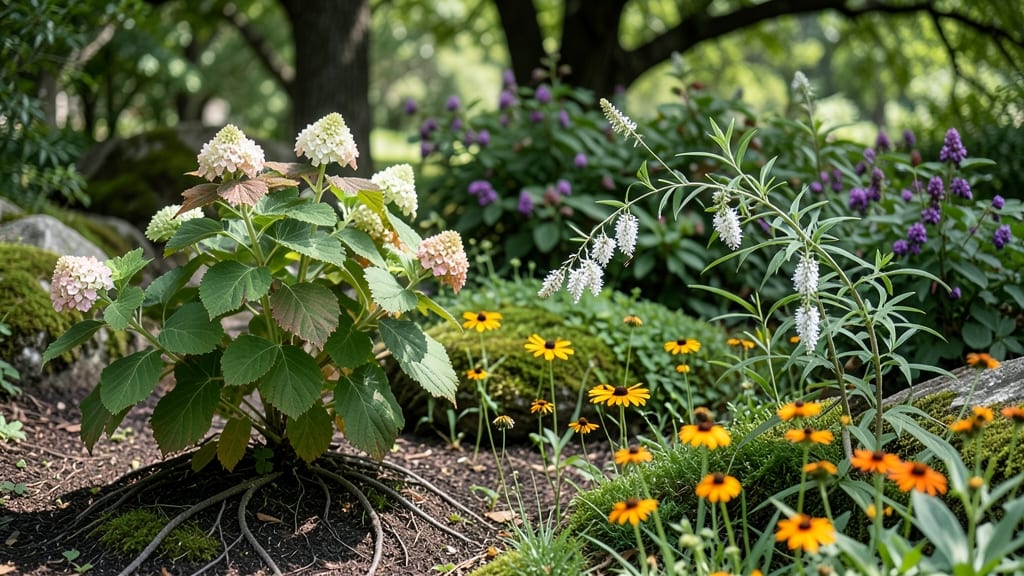
Exploring gardens in Ball Ground, Georgia, reveals a mix of vibrant public spaces and lesser-known botanical treasures, from the Georgia Mountain Fairgrounds Gardens to serene Lake Allatoona trails. These areas highlight native plant diversity and sustainable landscaping techniques perfect for the region's unique climate.
Ball Ground's gardens thrive thanks to its Piedmont microclimate, where cooler mountain air supports hardy perennials like rhododendrons and black-eyed Susans. 🌿 The elevation creates ideal conditions for pollinator-friendly gardens, which you'll find in both public parks and private community plots.
What makes these spaces special is their blend of curated beauty and ecological function—many feature rain gardens that naturally filter runoff while supporting local wildlife.
For visitors, timing matters: spring brings azalea blooms, while fall showcases oak woodlands in fiery hues. The Ball Ground Garden Center nearby offers native plant starts perfect for extending your garden experience at home. Whether you're seeking Instagram-worthy backdrops or quiet nature escapes, these gardens deliver year-round inspiration.
💡 In This Article
- Best Public Gardens in Ball Ground’s Mountain Climate
- How to Visit and Support Local Garden Spaces
Best public gardens in Ball Ground’s mountain climate
Ball Ground’s gardens flourish because of its unique Piedmont microclimate, where cooler mountain air (averaging 55-65°F in spring) extends the growing season for native plants like rhododendrons and mountain laurel.
The elevation—around 1,000 feet higher than Atlanta—creates a cooler, moister environment that mimics Appalachian conditions, allowing plants typically found at higher elevations to thrive here. 🌿 This climate supports acid-loving plants (pH 4.5-5.5) like azaleas and ferns, which struggle in lower-elevation Georgia soils.
The Georgia Mountain Fairgrounds Gardens showcase this adaptation perfectly, with 20+ varieties of azaleas blooming in spring, their trumpet-shaped flowers attracting hummingbirds.
Nearby, the Lake Allatoona trails feature oak woodlands with towering white oaks (up to 100 feet tall) and understory plants like trilliums, which bloom in early spring before the canopy fully leafs out. The gardens also incorporate pollinator corridors with milkweed and goldenrod, critical for declining bee populations.
Seasonal changes dramatically alter the gardens’ appearance. In April-May, rhododendrons create a 10-foot-tall floral wall along hiking paths, while summer brings black-eyed Susans (a Georgia state wildflower) in vibrant yellow.
Fall transforms the landscape into a crimson-and-gold tapestry as oak leaves change, and winter reveals evergreen hollies and camellias in bloom. This seasonal diversity makes each visit distinct.
What sets these gardens apart is their ecological integration. Many feature rain gardens designed to capture and filter runoff, using native switchgrass and sedges that absorb up to 30% more water than turfgrass.
These systems not only beautify the space but also reduce erosion and support amphibians like wood frogs, which breed in temporary vernal pools. The result is a living laboratory of sustainable landscaping that visitors can observe firsthand.
For plant enthusiasts, the elevation’s effect on hardiness zones is fascinating. While Atlanta sits in Zone 8a, Ball Ground’s gardens often support plants rated for Zone 7b, allowing gardeners to grow species like Japanese maples that would struggle in lower elevations.
This zone shift means 30-40% more plant diversity compared to Atlanta’s gardens, offering a richer palette for both public and private landscapes.
One standout example is the Ball Ground Garden Center, which specializes in regionally adapted plants that thrive in these conditions. Their native plant sales (held weekly in spring) include Virginia bluebells and partridgeberry, both of which require minimal care once established.
These plants not only enhance local biodiversity but also reduce water usage by up to 50% compared to non-native ornamentals. 🌸