
Tools
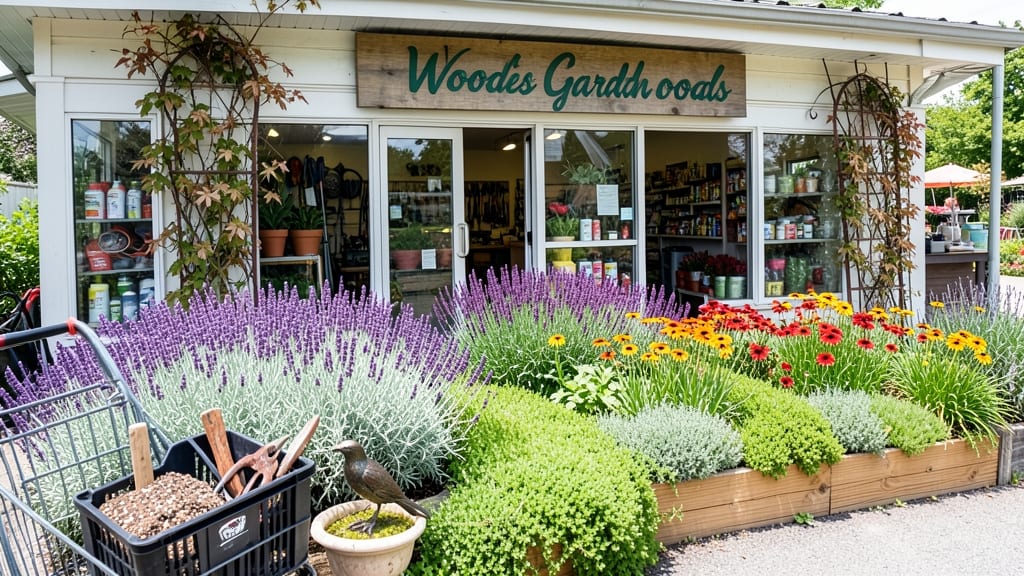
Woodies Garden Goods stores are located primarily in Texas, with additional outlets in Florida, Georgia, and Alabama. Use their official store locator for up-to-date availability and seasonal hours.
Finding a Woodies Garden Goods outlet is easiest when you know the key states to focus on—Texas hosts the majority of their locations, making it the heart of their retail network. 🌿 Many stores in this region operate seasonally, aligning with planting and gardening cycles, so checking their locator tool before visiting ensures you catch them open.
Their Florida and Georgia locations often serve as regional hubs for Southern gardeners, while Alabama branches cater to specific agricultural needs.
What sets Woodies apart is their commitment to local availability—some stores operate by appointment only during peak seasons, so planning ahead pays off. I recommend using their online locator first, then calling ahead to confirm hours, especially if you're visiting during spring or fall when demand spikes.
💡 In This Article
- Woodies Garden Goods Store Locations by State
- How to Find Nearby Woodies Garden Goods Outlets
Woodies Garden Goods store locations by state
Woodies Garden Goods has strategically positioned its stores to serve gardening enthusiasts across the Sun Belt, where warm climates and strong agricultural traditions create high demand.
Texas remains the company's stronghold, hosting over 60% of their locations, with clusters in major cities like Houston, Dallas, and San Antonio. 🌿 These stores often carry a wider selection of native plants, soil amendments, and irrigation systems tailored to Texas' diverse ecosystems—from arid West Texas to humid East Texas.
The company's Florida locations, primarily in Orlando, Tampa, and Jacksonville, focus on tropical and subtropical plants, including palms, citrus varieties, and drought-resistant species. Georgia and Alabama outlets, meanwhile, emphasize Southern gardening essentials like azaleas, camellias, and native wildflowers.
What's interesting is how store inventories adapt seasonally—Florida branches stock hurricane-resistant plants in summer, while Texas stores prioritize drought-tolerant varieties during spring planting seasons.
What makes Woodies' regional approach unique is their appointment-based system during peak seasons. Stores in Houston and Orlando, for example, often require appointments for March-May (spring planting) and September-November (fall gardening) to manage crowds.
This system ensures customers get personalized advice while preventing overstock issues. The company's website highlights these seasonal patterns, helping visitors plan their trips around optimal inventory availability.
Another key factor is store size—Texas locations tend to be larger warehouse-style outlets (15,000-25,000 sq ft) with demo gardens, while Florida and Alabama branches are more compact (8,000-12,000 sq ft), focusing on curated selections.
This reflects regional shopping habits: Texans often make larger, one-time purchases, while Florida gardeners prefer frequent smaller trips for tropical plants.
The company's mobile-friendly store locator reveals that some locations share addresses with other agricultural businesses (like nurseries or farm supply stores), creating convenient one-stop shopping hubs.
For example, the Woodies store in College Station, Texas, operates from the same complex as a major university extension service, making it a go-to for both hobbyists and professional landscapers.
What most visitors don't realize is how Woodies' store network aligns with USDA Plant Hardiness Zones. Texas locations stock plants rated for Zones 7-9, while Florida stores carry Zone 10-11 varieties.
This zonal specialization means you'll find more reliable plant success when shopping locally—something the company emphasizes through in-store signage and staff recommendations.