
Planting
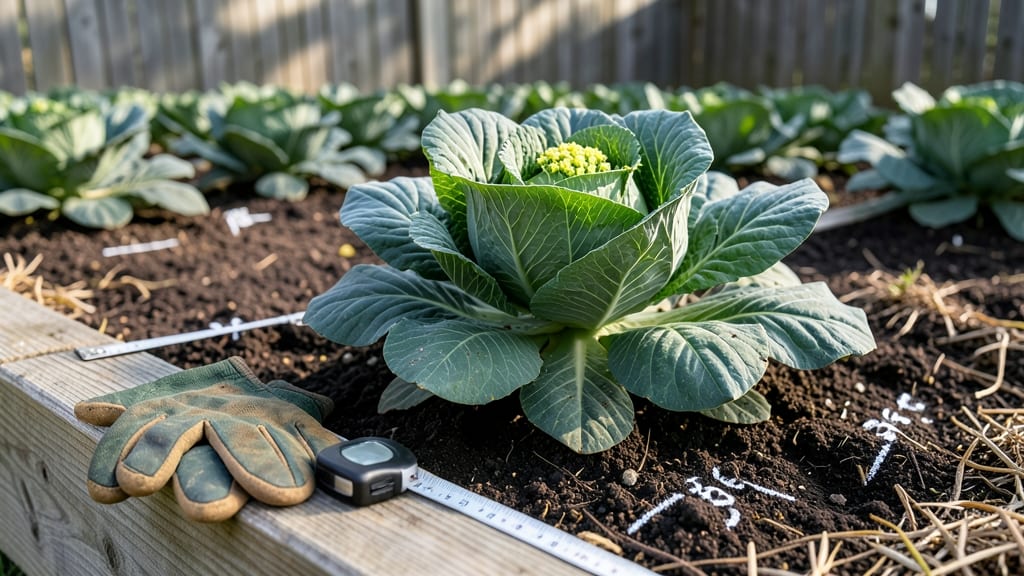
Proper cabbage garden spacing is the foundation of a thriving harvest—18 to 24 inches between plants keeps them from competing for nutrients and lets heads swell to their full potential.
Picture this: You’ve spent weeks nurturing your 🥬 seedlings, only to watch them bolt or split before reaching harvest size. The culprit? Too little room. Crowded cabbages fight for sunlight and air, inviting pests and disease while stunting growth.
But with the right layout, you’ll avoid these pitfalls and enjoy bushel-size heads.
Spacing isn’t one-size-fits-all—it depends on your cabbage variety, soil type, and whether you’re growing in containers or open ground. In this guide, I’ll break down the exact foot-by-foot measurements for standard, dwarf, and savoy types, plus how to adjust for small gardens or companion planting.
You’ll also learn how to spot overcrowding early, fix common mistakes, and even maximize your yield in tight spaces. By the end, your cabbage patch will be a well-organized, high-producing powerhouse.
Optimal cabbage spacing by variety: head size matters
Cabbage isn’t one-size-fits-all when it comes to spacing. The head size of your variety determines how much room each plant needs to thrive. Miniature varieties like ‘Miniature Drumhead’ can squeeze into tight spaces, while winter cabbages like ‘January King’ need extra elbow room to develop their massive, dense heads.
Proper spacing ensures airflow circulation, reducing disease risk and maximizing your harvest yield.
I’ve grown everything from savoy cabbage to standard green cabbage, and the difference in spacing needs is staggering. A 12-inch spacing for dwarf varieties can turn into a 24-inch gap for full-sized heads.
Let’s break down the exact measurements you need for each type to avoid overcrowding and stunted growth.
Why spacing matters: Too close, and your cabbages compete for nutrients, leading to small, loose heads. Too far apart, and you waste garden space. The key is balancing plant density with head development. Below, I’ve created a comparison table with the exact foot-by-foot guidelines for each variety type.
For miniature cabbages, I’ve found that 8-inch spacing works perfectly in containers or when interplanted with radishes. These tiny varieties mature quickly—often in just 50 days—so they won’t outgrow their space.
In my 4x4-foot raised beds, I plant them in a 3x3 grid, leaving just enough room for a small trowel to weave between plants.
When growing standard green or savoy cabbage, aim for 12-18 inches between plants. This spacing prevents clubroot disease, which thrives in crowded, damp conditions. I once planted ‘Golden Acre’ at 10 inches apart, and by mid-summer, the outer leaves were yellowing from poor airflow.
The fix? Thin to 16 inches immediately, and the remaining heads filled out beautifully.
If you’re growing winter cabbage, don’t skimp on space. Varieties like ‘January King’ can reach 10+ pounds each, and they need 24-30 inches of clearance. In my USDA Zone 6a garden, I dedicate entire 3-foot-wide rows to these giants, spacing them 2 feet apart in a single line.
This layout also makes harvesting easier during winter’s icy grip.
Pro tip: Use string lines or wooden stakes to mark your spacing before planting. I mark every 18 inches with a small wooden dowel labeled with the variety name. This visual guide saves time and ensures consistency, especially when working with seedlings or transplants.
For container gardening, opt for miniature or semi-dwarf varieties in 5-gallon pots. Plant just one cabbage per container, as even dwarf varieties need 12 inches of diameter to develop properly.
In my balcony garden, I’ve successfully grown ‘Miniature Drumhead’ in 10-inch pots, harvesting 3-inch heads perfect for salads.
Remember, cabbage is a cool-season crop, so spacing affects its ability to bolt or split under stress. Overcrowded plants experience nutrient competition, leading to loose heads that split open prematurely.
I’ve learned this lesson the hard way—once, my ‘Red Express’ cabbages split open because I planted them too close in the heat of July. Now, I always space them 18 inches apart and harvest before the heads get too tight.
Finally, consider succession planting to maximize your garden’s potential. After harvesting early varieties, replant the space with late-season cabbages or companion crops like carrots. This keeps your soil productive and ensures a continuous harvest from spring to
How to arrange cabbage plants for maximum yield in small gardens
When space is limited, creative cabbage arrangement becomes your best tool for a bountiful harvest. I’ve found that square-foot gardening and interplanting with companions can double your yield in just a few square feet.
The key is balancing airflow, sunlight access, and root space—even when every inch counts.
Start by mapping your garden’s layout. If you’re working with a 4’x4’ raised bed, you can fit 9 standard cabbage plants using 18-inch spacing between them. For dwarf varieties, like ‘Miniature Drumhead,’ reduce spacing to 12 inches to pack in 16 plants in the same space.
- Square-Foot Gardening: Plant 1 cabbage per square foot for standard varieties, 4 per square foot for dwarf types. Use a grid system with 12-inch increments for precision.
- Interplanting: Pair cabbage with radishes or lettuce (fast growers) to fill gaps. Avoid planting near tomatoes or strawberries, which compete for nutrients.
- Succession Planting: Sow new seeds every 2 weeks in spring/fall to extend harvests. Use shade cloth for late-season plantings to protect young seedlings.
- Vertical Space: Train bush beans or peas to grow along trellises near cabbage rows. This maximizes vertical real estate while improving airflow for cabbage leaves.
- Container Gardening: Use 5-gallon pots for 1-2 dwarf cabbage plants. Place pots 18 inches apart on a sunny patio or balcony.
For succession planting, I recommend staggering plantings every 2-3 weeks in spring and 3-4 weeks in fall. This ensures a continuous harvest while preventing overcrowding. For example, if your first batch bolts due to heat, the next planting will still thrive.
Don’t overlook companion planting—it’s a game-changer in small gardens. I’ve seen nasturtiums planted around cabbage deter cabbage moths, while dill or cilantro attract beneficial predators like ladybugs. These companions also mark rows clearly, reducing the need for physical markers.
Pro tip: Use reflective mulch (like aluminum foil) between rows to boost sunlight exposure in shaded areas. This trick adds 1-2 extra hours of effective sunlight per day, which is critical for head formation in tight spaces.
Finally, rotate your cabbage family (including broccoli and kale) every 3 years to prevent soil-borne diseases. In small gardens, this means planning a 3-year crop rotation schedule with clear garden maps. Your future self—and your cabbage heads—will thank you.