
Tools
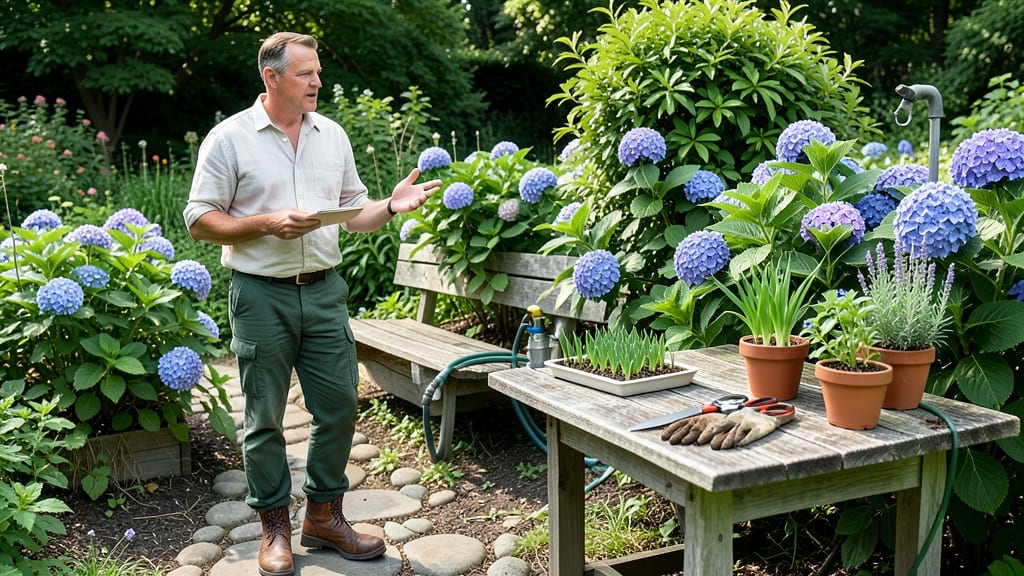
The Garden World TV show takes viewers on a global tour through breathtaking botanical gardens, where horticulturists demonstrate sustainable techniques and real-time gardening challenges that transform spaces. Each episode highlights rare plants, diverse climates, and professional landscaping methods designed to inspire home gardeners.
The Garden World TV show stands out for its ability to combine stunning visuals with practical gardening expertise. 🌿 What makes it unique is how producers carefully select filming locations—prioritizing gardens with rare plant collections, historical significance, and climate-adaptive designs.
This approach ensures viewers see techniques they can realistically apply, whether in a backyard or urban space.
Beyond the beauty, the show's real-time challenges reveal the science behind plant pairings and seasonal maintenance. For example, you'll see how drought-resistant succulents are strategically placed in Mediterranean-style gardens to conserve water while still creating vibrant displays.
The behind-the-scenes footage of expert pruning and soil preparation offers actionable tips that go far beyond typical gardening advice.
💡 In This Article
- How Garden World TV Show Selects Filming Locations
- Behind-the-Scenes Tips for Replicating Garden World Designs at Home
How Garden World TV Show Selects Filming Locations
The production team behind Garden World prioritizes locations that showcase climate-adaptive horticulture—spaces where plants thrive under specific conditions without excessive intervention.
For instance, a Mediterranean garden episode might film in Spain’s Alhambra Gardens, where drought-resistant lavender and rosemary dominate, while tropical episodes often visit Singapore’s Botanic Gardens, where humidity-loving orchids and ferns create lush, vibrant displays.
These choices aren’t random; producers analyze microclimates, soil pH levels, and native plant ecosystems to ensure authenticity.
Biodiversity is another key factor. The show frequently collaborates with renowned botanical gardens like Kew Gardens in London or the Huntington Library in California, where rare species—such as the Encephalartos cycad or Victoria amazonica—are cultivated.
These gardens provide curated collections that highlight plant relationships (e.g., how certain flowers attract pollinators or how ground covers suppress weeds naturally). Producers also scout for gardens with historical significance, like the 17th-century gardens of Versailles, to blend education with visual storytelling.
What most viewers don’t realize is the logistical planning behind each location. Filming crews arrive months in advance to assess lighting, weather patterns, and seasonal blooms.
For example, a spring episode might require filming in March-April to capture cherry blossoms, while a winter segment could focus on evergreens like holly or boxwood.
The team also works with local horticulturists to stage real-time challenges, such as designing a pollinator-friendly garden in just 48 hours—a technique they later break down for home gardeners.
Sustainability is woven into the selection process too. Locations often feature permaculture principles, like the Three Sisters planting method (corn, beans, squash) or rainwater harvesting systems. The show avoids plastic-heavy gardens, opting instead for natural mulches (wood chips, straw) and composting programs.
This commitment to eco-friendly practices isn’t just for aesthetics; it reflects the show’s mission to inspire low-maintenance, high-impact gardening that viewers can replicate.
One surprising detail is how the team adapts to unexpected challenges. For example, during a 2022 episode filmed in Australia, producers had to pivot from a planned eucalyptus grove to a native bushland restoration site after wildfires altered the landscape.
This flexibility ensures the show remains relevant and educational, even when nature throws curveballs. 🌿
Behind the scenes, the selection process involves site visits, drone surveys, and soil tests to confirm a location’s suitability. Producers often partner with university botanists to validate plant pairings and growth predictions.
For instance, a garden designed for a shady corner might feature hostas, ferns, and astilbes—plants that thrive in less than 4 hours of direct sunlight daily. These technical details are later shared with viewers to demystify gardening science.
If you’ve ever wondered how Garden World captures such diverse gardens, the answer lies in collaboration and preparation. The team doesn’t just film beautiful spaces; they curate them to teach viewers how to create their own thriving ecosystems—one season at a time. 💫