
Tools
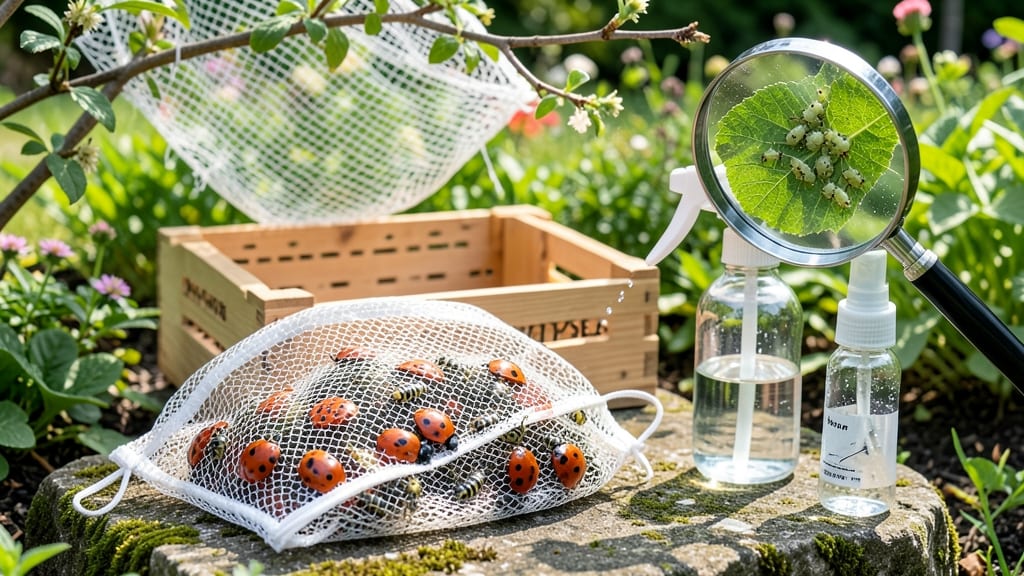
To get ladybugs for your garden, order live specimens from reputable suppliers like Garden Safe, Arbico Organics, or local nurseries specializing in beneficial insects. Check reviews, delivery times, and release instructions to ensure healthy, effective pest control.
Finding ladybugs for your garden starts with choosing suppliers that guarantee live, healthy specimens.
Many online retailers offer temperature-controlled shipping to keep them alive during transit, which is crucial for their survival once they arrive. 🌿 I've found that local agricultural extensions or garden centers often carry them too, especially during peak pest seasons.
Always verify whether the supplier offers native species—non-native varieties may not thrive in your climate or could become invasive.
Beyond just purchasing, timing matters. Release ladybugs in the early morning or late afternoon when temperatures are cooler, and place them near aphid-infested plants. A shallow dish of water with a pebble for them to climb out of helps them stay hydrated until they establish themselves.
The key is patience—it can take a few days for them to start actively hunting pests, but once they do, you'll see a noticeable difference in your garden's health.
💡 In This Article
- How to Choose Reliable Ladybug Suppliers for Gardens
- Best Practices for Releasing Ladybugs in Your Garden
How to choose reliable ladybug suppliers for gardens
When selecting a supplier for garden ladybugs, prioritize those with USDA Organic or OMRI certification, as these ensure the insects are pesticide-free and raised ethically.
Reputable companies like Garden Safe and Arbico Organics often provide detailed breeding information, including whether they specialize in native species like Hippodamia convergens or Coccinella septempunctata. Native varieties adapt better to local climates and predators, while non-native types might struggle or even harm ecosystems.
Always check for third-party reviews on platforms like Google, Trustpilot, or Facebook—look for comments mentioning survival rates and customer service responsiveness.
Shipping conditions are critical for survival. Reliable suppliers use insulated, temperature-controlled packaging with gel packs to maintain 50-60°F during transit, mimicking their natural habitat. Avoid suppliers who ship in summer heat without cooling—ladybugs can die within hours if exposed to temperatures above 85°F.
Some companies even offer guarantees for live arrival, which is a strong indicator of their commitment to quality. I’ve seen packages arrive with 90% survival rates when shipped correctly, compared to 30% or less from less careful vendors.
Local nurseries and agricultural extension offices are excellent alternatives, especially if you need ladybugs quickly. These sources often carry regionally sourced insects, which are already acclimated to your climate. For example, a California nursery might stock Convergent Lady Beetles, while a Midwest supplier could offer Nine-Spotted Lady Beetles.
Call ahead to confirm availability—some locations only stock them seasonally, typically from spring to early fall when pest populations peak. Local suppliers also let you inspect the insects before purchase, reducing the risk of receiving weak or diseased specimens.
Watch out for red flags like vague shipping policies or suppliers who don’t specify the species. Some online sellers bundle ladybugs with other beneficial insects (like lacewings or parasitic wasps), which can confuse gardeners about what they’re actually getting.
Always ask for a species breakdown and verify if the insects are field-collected (wild-caught) or lab-reared—lab-raised ladybugs are generally healthier and more consistent in their pest-control abilities. 🌱
Consider ordering in small batches (e.g., 500-1,000 ladybugs) to test a supplier’s reliability before committing to larger quantities. This approach lets you assess their effectiveness in your garden without overinvesting. For example, a 500-ladybug order typically costs $20-$40 and can cover a 500-1,000 sq. ft. garden if released properly.
Pair your purchase with a follow-up email to the supplier—ask about their post-release care tips, like avoiding pesticides for 2-4 weeks after introduction.