
Planting
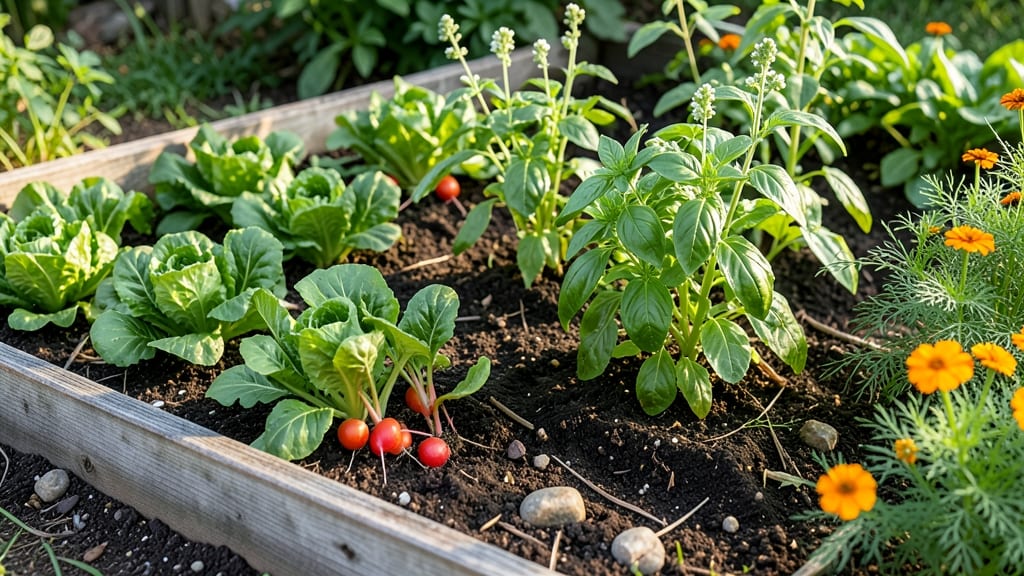
To grow a garden successfully, plan your seasonal planting zones, choose hardy starter plants, and keep soil consistently moist. Begin with easy crops like lettuce or tomatoes, then gradually add more varieties as you gain confidence.
Starting a garden is all about timing and preparation—especially for beginners. 🌱 Your first step should be checking your local USDA hardiness zone to determine when to plant cool-season crops (like spinach or kale) versus warm-season favorites (tomatoes, peppers).
I always recommend testing your soil first—most garden centers offer cheap kits that reveal pH levels and nutrient needs. Once you've got that sorted, focus on soil moisture: overwatering is just as damaging as letting plants dry out.
Pro tip: mulch helps retain moisture and keeps weeds at bay, saving you hours of backbreaking work.
For your first garden, I’d suggest dedicating about 10-15% of your space to easy-to-grow plants like lettuce or cherry tomatoes. These give you quick wins while you learn the basics of spacing, sunlight needs, and pest control.
Once you’ve mastered those, you can branch out into more challenging crops like eggplants or herbs. Remember, even experienced gardeners lose plants—it’s part of the process! The key is to keep track of what works (and what doesn’t) in a simple journal or notes app.
💡 In This Article
- Seasonal Planting Timeline for a Beginner’s Garden
- Essential Tools and Soil Prep for First-Time Gardeners
Seasonal planting timeline for a beginner’s garden
Understanding your local climate is the foundation of successful gardening. The USDA divides the country into 13 hardiness zones, each with specific frost dates that dictate when to plant.
For example, Zone 5 (common in the Midwest) has an average last frost date of April 15-30, while Zone 9 (Southern California) sees frost as late as December 15.
Cool-season crops like broccoli or peas thrive when soil temperatures are 40-50°F, while warm-season plants like tomatoes need soil at 60°F or higher to germinate properly. 🌱
Timing varies dramatically between regions. In northern climates, gardeners often start cool-season crops indoors in February-March and transplant seedlings outdoors after the last frost. Meanwhile, southern gardeners can plant warm-season crops like okra or sweet potatoes as early as March 15-April 1.
The key is to calculate your frost-free period—most vegetables need 90-120 days of warm weather to mature, so plan backward from your first expected frost date in fall.
For instance, if your frost date is October 15, you’d plant tomatoes by June 15 to ensure they ripen before cold weather arrives.
Crop rotation is another critical timing factor. Beginners often make the mistake of planting the same vegetables in the same spot year after year, which depletes soil nutrients and invites pests. Instead, divide your garden into three sections and rotate crops annually.
For example, plant heavy feeders like tomatoes in one section one year, then follow with nitrogen-fixing legumes like beans the next. This natural cycle improves soil health and reduces disease pressure. 🌿
Don’t overlook succession planting—the practice of staggering plantings every 2-3 weeks to ensure a continuous harvest. A classic example is lettuce: plant your first batch in early spring, then follow with new seeds every three weeks until July 15.
This way, you’ll enjoy fresh greens from spring through early fall without a single gap. The same strategy works for radishes, bush beans, and carrots.
For warm-season crops, you can even extend your harvest by planting quick-maturing varieties like bush beans (50 days) or zucchini (45 days) in late summer for a fall crop.
Light plays a surprisingly large role in seasonal timing. Most vegetables need 6-8 hours of direct sunlight daily, but some (like leafy greens) tolerate partial shade. In northern latitudes, gardeners often use cold frames or row covers to extend the growing season by 2-4 weeks in spring and fall.
These simple tools create a microclimate that protects young plants from frost while trapping heat. For example, spinach can survive light frosts, but using a row cover can push your harvest window back by 3-4 weeks in early spring. 🌡️
Finally, pay attention to lunar planting cycles—a traditional practice that aligns planting with the moon’s phases.
While not scientifically proven, many gardeners swear by planting above-ground crops (like tomatoes and peppers) during the waxing moon (when the moon is growing) and root crops (carrots, potatoes) during the waning moon (when the moon is shrinking). The theory suggests this timing enhances growth patterns.
Whether you believe in lunar effects or not, tracking moon phases can help you create a consistent planting rhythm that keeps your garden organized and predictable.