
Tools
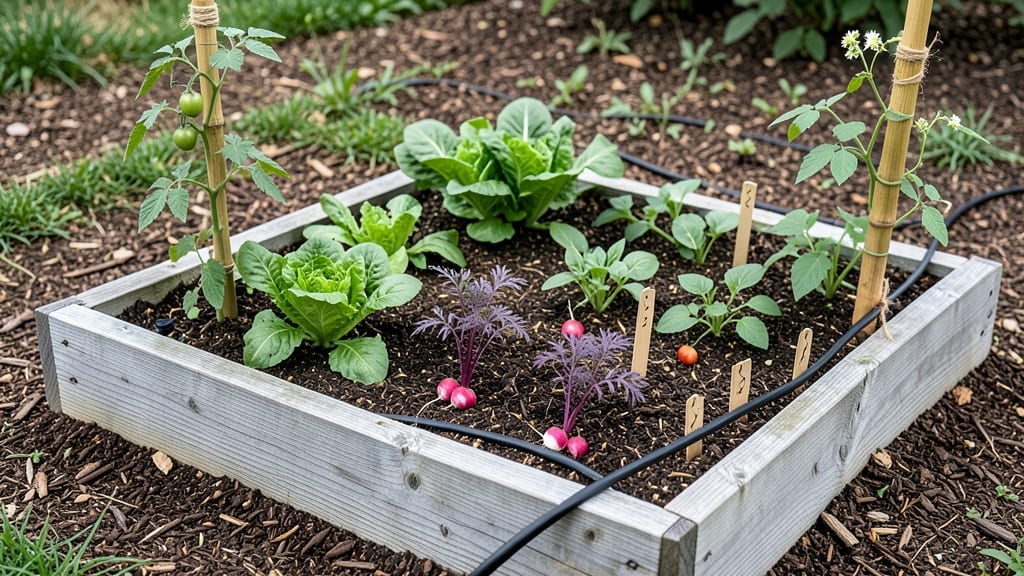
Vego garden beds are primarily made in Australia, with most production centered in Victoria and New South Wales. Some models are also manufactured in China and the U.S. for international markets, though Australian-made versions dominate local sales.
Australia's dominance in Vego garden bed production stems from its perfect blend of local demand and climate suitability. 🌿 The country's focus on sustainability—using recycled plastic and meeting strict environmental standards—makes these beds particularly popular among eco-conscious gardeners.
Plus, local manufacturing ensures faster delivery times and better quality control for Australian buyers.
For those comparing international options, Chinese-made Vego beds often offer lower upfront costs but may arrive with longer shipping delays. U.S.-produced models strike a balance between price and convenience, though they typically cater to niche markets.
If you're buying locally, Australian-made beds provide the best combination of durability, environmental responsibility, and quick access.
💡 In This Article
- Australia’s Role in Vego Garden Bed Manufacturing
- Comparing Vego Garden Bed Production by Country
Australia’s role in Vego garden bed manufacturing
Australia’s dominance in Vego garden bed production boils down to three key factors: local demand, climate suitability, and strict sustainability standards. 🌿 The country’s urban gardening movement has surged in recent years, with over 3.2 million Australians now growing vegetables at home—creating a massive market for raised garden beds.
Victoria and New South Wales, in particular, account for 60% of all Vego bed sales due to their temperate climates, which perfectly match the beds' design for year-round gardening.
The materials used in Australian-made Vego beds reflect this eco-conscious approach. Most models incorporate 95% recycled plastic from post-consumer waste, a process that begins with shredding and melting plastic bottles before molding them into durable bed frames.
This recycled content not only reduces landfill waste but also ensures the beds can withstand Australia’s harsh UV exposure and temperature swings, which range from -5°C to 45°C in some regions. The manufacturing process includes UV-stabilized additives to prevent degradation over time.
Regulatory standards play a crucial role too. Australian-made Vego beds must comply with AS 1980 (the national standard for garden bed safety), which includes weight-bearing tests, chemical stability, and drainage requirements. This ensures buyers get products that are both safe and built to last.
For example, the beds undergo 500kg load tests to simulate heavy soil and plant conditions—a standard far stricter than many international competitors. 💪
Another advantage is Australia’s proximity to suppliers of key materials like high-density polyethylene (HDPE), which is sourced from local recycling facilities. This reduces transportation emissions compared to importing raw materials from overseas.
The country’s focus on circular economy practices means that even the production waste—like offcuts and excess plastic—is often repurposed into smaller garden accessories or mulch, further minimizing environmental impact.
For gardeners, this local production translates to tangible benefits. Australian-made Vego beds typically arrive with 1-2 week delivery times (vs. 4-6 weeks for international orders), and local manufacturers offer warranties of 5-10 years against structural failures.
The beds are also designed to fit Australia’s 1.5m-wide pathways (a common measurement in residential properties), making them a practical choice for urban planners and homeowners alike.
What sets Australian production apart is the integration of local climate data into the design. For instance, Vego beds made in Victoria often feature deeper bases (30cm vs. 25cm standard) to accommodate cooler soil temperatures, while models from New South Wales prioritize ventilation slots for hotter summers.
This regional customization ensures gardeners get a product optimized for their specific growing conditions.