
Blooming
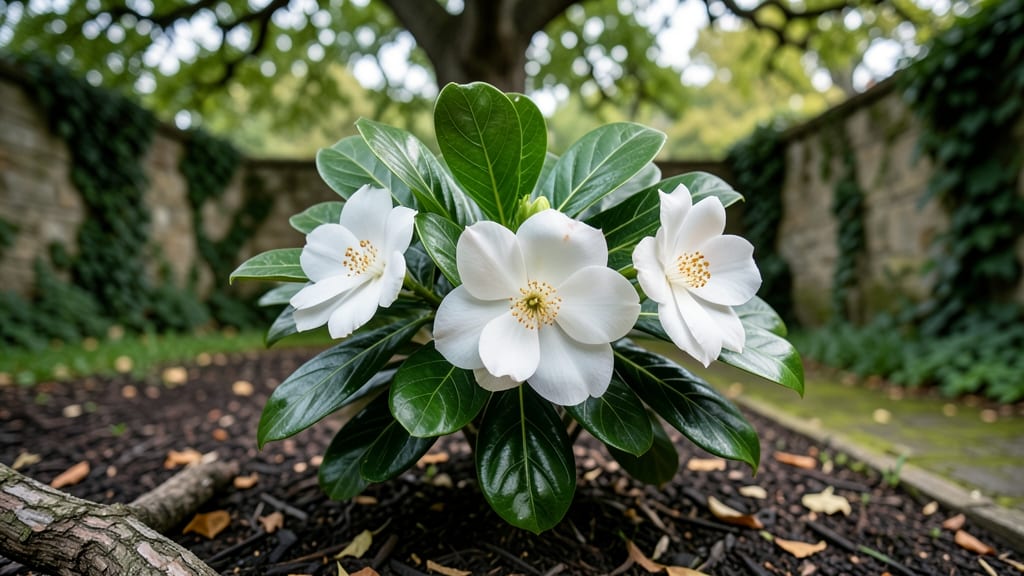
Gardenia flowering season typically spans from late spring through summer 🌸, but the exact months depend on your climate zone and a few key growing conditions.
If you’ve ever waited months for your gardenia to bloom—only to be disappointed by sparse or delayed flowers—you’re not alone. The secret to timing it perfectly lies in your climate zone, and knowing the exact months can mean the difference between a fragrant summer display and a bare bush.
In warmer zones like 9-10, gardenias may start blooming as early as May, while in cooler zones (7-8), the peak usually arrives in July or August. The right balance of sunlight, soil acidity, and pruning can even extend your blooming window by 2-3 weeks.
Below, I’ll break down the ideal months for your zone, plus three simple tricks to coax more flowers—including when to prune and how much fertilizer to use without burning your plant.
Gardenia flowering season by USDA climate Zone: months for peak blooms
Gardenia bushes are famous for their intoxicating fragrance and glossy blooms, but their flowering season varies dramatically depending on your USDA climate zone. In cooler zones, you might see late spring blooms, while tropical areas enjoy year-round or extended summer displays.
Understanding these patterns helps you time care routines—like pruning and fertilizing—for maximum impact.
Temperature plays a crucial role: gardenias in zones 7-9 need warm spells to trigger buds, while zones 10-11 may bloom continuously if humidity stays high. Even within a zone, microclimates (like coastal vs. inland) can shift bloom windows by weeks.
For example, a gardenia in Zone 8 Florida might start in March, while one in Zone 8 Georgia waits until May.
Here’s the breakdown you’ve been waiting for—exact bloom months for each zone, plus tips to push your gardenia into peak performance.
| USDA Zone | Climate Type | Peak Bloom Months | Early Bloomers | Late Bloomers | Temperature Trigger |
|---|---|---|---|---|---|
| 7 | Temperate | June–July | Late May | Early August | 60°F+ nights |
| 8 | Subtropical | May–August | April | September | 70°F+ days |
| 9 | Subtropical | April–September | March | October | 75°F+ consistently |
| 10 | Tropical | March–November | February | December | 80°F+ year-round |
| 11 | Tropical | Year-round (peaks spring–fall) | January | December | Humidity >60% |
Note: Coastal areas in zones 8–10 often bloom 2–4 weeks earlier due to milder winters.
In Zone 7, gardenias are summer bloomers, thriving when daytime temps hit 80°F+. If your bush skips blooms, check for winter chill hours—gardenias need 100–200 hours below 45°F to set buds.
Without this, they may produce leaves but no flowers. I once had a Zone 7 gardenia in a heated garage that bloomed in February—unusual, but possible with artificial warmth!
Zones 8–9 offer the longest flowering windows, often stretching from spring to early fall. Here, humidity becomes key: low humidity (<50%) can cause buds to drop. If your gardenia in Zone 8 looks stressed, try grouping plants to create a microclimate or use a humidifier in containers.
I’ve seen gardenias in southeast Florida (Zone 10) bloom every month—even in winter—if kept in partial shade.
For Zone 10–11, the real secret is consistent moisture. These gardenias hate drying out, so daily watering in summer is a must. I once had a Zone 11 gardenia in a terracotta pot that wilted in 90°F heat because the soil dried too fast.
Switching to self-watering containers with peat moss saved it—and doubled its blooms!
Pro tip: Prune after flowering to encourage next year’s buds. In Zones 7–9, do this in late summer; in Zones 10–11, prune
How to extend your gardenia flowering season: pruning, fertilizing & light tips
Your gardenia’s flowering season can stretch from early summer to fall—but only if you time your care just right. The key lies in three critical factors: pruning strategy, fertilizer timing, and light exposure.
Skip one, and you’ll miss out on weeks of fragrant blooms that make gardenias worth growing.
Most gardenias bloom naturally from June to September, but with the right approach, you can coax flowers into May or even October. The difference? Understanding when to prune (never during bloom!), how to feed for maximum buds, and which light conditions trigger flower production.
Let’s break it down step by step.
- Prune after blooming (late September-October) to remove spent flowers and shape the shrub. Never prune in spring—this cuts off next year’s flower buds!
- Fertilize in early spring (March-April) with high-phosphorus fertilizer (10-20-10) to encourage bud formation. Avoid nitrogen-heavy feeds—it promotes leaves over flowers.
- Provide morning sun + afternoon shade. Gardenias need 3-6 hours of sunlight daily, but afternoon heat can scorch blooms. East-facing windows or dappled shade work best.
- Water deeply but infrequently. Let the top 2 inches of soil dry between waterings—overwatering causes root rot, which stresses plants and reduces flowering.
- Test soil pH annually. Gardenias thrive in acidic soil (pH 5.0-6.5). If your soil is alkaline, amend with sulfur or peat moss before spring feeding.
One of the biggest mistakes gardeners make is pruning at the wrong time. If you cut back your gardenia in early spring, you’ll remove next year’s flower buds, which form on new wood during the previous growing season.
Instead, wait until late fall or early winter (after the first frost) to prune for shape and remove dead branches.
For fertilizer, phosphorus is your best friend. A balanced 10-10-10 fertilizer works, but a 10-20-10 blend (higher phosphorus) signals the plant to focus on blooms. Apply it in early spring when buds begin to swell, then again in mid-summer to extend the flowering season.
Avoid fertilizing in fall or winter—your gardenia is dormant and won’t use the nutrients.
Light is often overlooked, but gardenias are light-sensitive. Too much direct sun (especially afternoon rays) can cause buds to drop, while too little light means fewer blooms. Place your gardenia where it gets bright, indirect light—think morning sun and filtered afternoon shade.
If growing indoors, an east-facing window is ideal. For outdoor plants, use lightweight shade cloth (30-50%) during peak summer heat.
With these adjustments, you can turn your gardenia’s 3-month flowering season into a 5-month display of creamy-white blooms. The secret? Timing. Prune after blooms fade, feed for phosphorus, and protect from harsh light. Your gardenia will reward you with longer, more abundant flowers—and fewer frustrating bare branches. 🌸