
Blooming
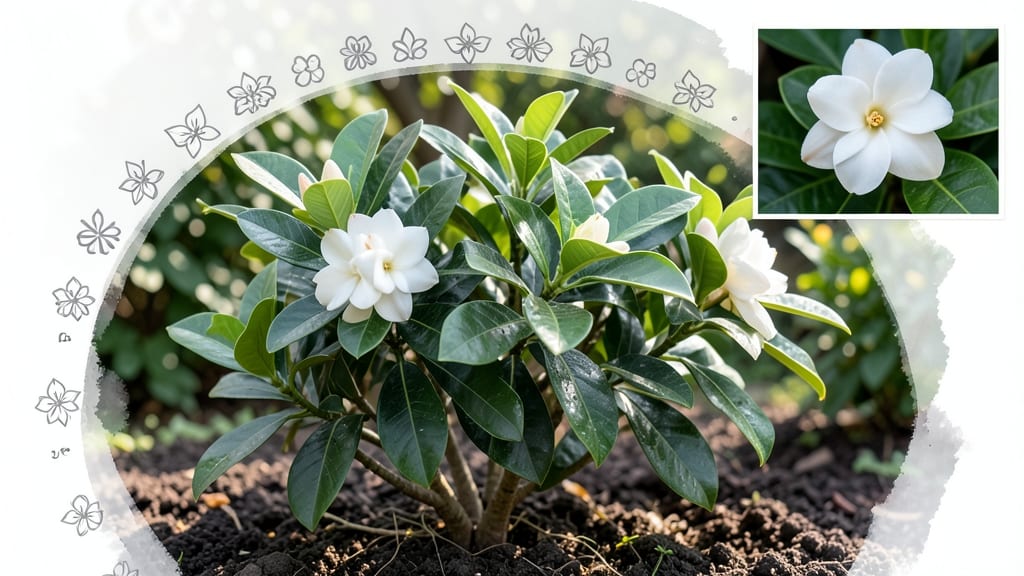
Gardenias bloom for 2 to 6 weeks per flush, filling your garden with their iconic fragrance 🌸 — but their timing depends on your climate and care routine.
If you’ve ever marveled at the intoxicating scent of gardenias and wondered why they seem to vanish too soon, you’re not alone. These tropical beauties follow a seasonal rhythm, with peak blooms in spring and summer for most gardeners in USDA Zone 7b.
But with the right techniques, you can coax them into blooming longer than their natural cycle.
The key to extending their bloom time lies in understanding their needs: acidic soil, consistent moisture, and the right amount of light. Too much sun or improper pruning can cut their flowering short, while deadheading spent blooms and feeding them just before spring can encourage a second flush.
Below, I’ll break down the science behind gardenia blooming cycles, share 5 proven tips to prolong their fragrance-filled season, and reveal the most common mistakes that shorten their showtime — so you can enjoy those creamy-white blooms for weeks longer.
Gardenia bloom duration: natural seasonal cycles explained
If you’ve ever marveled at the intoxicating scent of gardenias and wondered why they seem to vanish too soon, you’re not alone. These fragrant blooms follow a precise seasonal rhythm influenced by climate zones and photoperiod sensitivity.
Understanding their natural cycles helps you anticipate and extend their bloom time with confidence.
Gardenias typically produce 2-6 weeks of continuous blooms per flush, with peak seasons varying dramatically. In USDA zones 8-11, you’ll see blooms from spring through early fall, while cooler climates (zones 7 and below) experience shorter, more concentrated bloom periods in late spring to early summer.
This variation stems from their sensitivity to daylight hours—longer days trigger flowering.
| Climate Zone | Bloom Season | Bloom Duration | Key Factors |
|---|---|---|---|
| USDA 8-9 | Spring-Fall | 4-6 weeks | Warm winters, long days |
| USDA 10-11 | Year-round (patches) | 2-4 weeks per flush | Tropical conditions |
| USDA 7 or below | Late spring-early summer | 2-3 weeks | Cooler temps, shorter days |
| Container-grown | Spring-Fall (with care) | 3-5 weeks | Consistent moisture, light |
In USDA zones 8-11, gardenias often produce multiple bloom cycles throughout the year, thanks to warmer temperatures and extended daylight. For example, in Florida or California, you might see blooms from March through November, with each flower lasting 7-10 days before fading.
These regions benefit from tropical-like conditions that keep gardenias in near-constant bloom.
Conversely, in cooler climates like USDA zone 7, gardenias typically bloom once per year, with flowers lasting 2-3 weeks in late spring. The shorter bloom duration here is due to shorter daylight hours and cooler temperatures, which limit their flowering triggers.
However, with proper care, you can coax a second, smaller flush in early fall.
Scientifically, gardenias are photoperiod-sensitive, meaning their blooming is influenced by daylight length. As days lengthen in spring, they receive the 12+ hours of light needed to trigger bud formation.
In tropical zones, this sensitivity is less pronounced, allowing for year-round blooming potential with consistent care. This is why gardenias in containers often bloom longer—they’re less affected by seasonal temperature shifts.
Another critical factor is soil acidity. Gardenias thrive in acidic soil (pH 5.0-6.0), which supports the nutrient uptake needed for prolonged blooming. In alkaline soils, blooms may appear smaller and shorter-lived due to magnesium and iron deficiencies.
Testing your soil’s pH and amending it with peat moss or sulfur can significantly extend bloom duration.
Light exposure also plays a role. While gardenias prefer partial shade, too little light can reduce bloom production. Aim for 4-6 hours of morning sun paired with afternoon shade to balance their needs.
In full sun, blooms may appear sooner but shorter-lived due to stress from intense afternoon rays.
If you’re growing gardenias in containers, expect slightly shorter bloom durations (3-5 weeks) unless you provide consistent moisture and fertilizer. Container-grown plants are more susceptible to drought stress and temperature fluctuations, which can cut bloom time short.
Using well-draining, acidic potting mix and regular feeding with acid-loving fertilizer helps mitigate these issues.
To maximize bloom duration, pay attention to deadheading spent blooms. Removing faded flowers encourages the plant to redirect energy into new bud formation, potentially extending the overall bloom season by 2-4 weeks.
This simple practice is especially effective in USDA zones 8-11, where gardenias can produce continuous blooms with proper care.
Understanding these natural cycles empowers you to time your care strategies for the best results. Whether you’re in a tropical paradise or a cooler climate, gardenias reward patience and attention with fragrant, long-lasting blooms that brighten any garden. 🌸
5 Proven techniques to extend gardenia bloom time
Gardenias reward patient gardeners with their heavenly scent, but their blooms often feel fleeting. The secret to prolonging those fragrant white flowers lies in understanding their natural rhythms and giving them the right care.
With the right techniques, you can transform 2-4 week blooms into a near-continuous display that lasts all season. Let’s explore how to make your gardenias bloom longer and more abundantly.
First, recognize that gardenias naturally follow a seasonal bloom cycle. In most climates, they produce their first flush of flowers in late spring and a second, smaller flush in early fall.
However, with strategic care, you can encourage more frequent blooming and extend each flower’s lifespan. The key is to mimic their natural growing conditions while addressing their specific needs.
- 1 Prune after blooming to encourage reblooming. Cut back 1/3 of old growth in early summer to stimulate new growth and more flowers.
- 2 Maintain acidic soil (pH 5.0-6.0). Test your soil and amend with peat moss or sulfur if needed. Gardenias thrive in acidic conditions that mimic their native habitat.
- 3 Water deeply in the morning to keep soil consistently moist. Avoid wetting the foliage to prevent fungal diseases that can stress the plant and shorten bloom time.
- 4 Provide partial shade (4-6 hours of morning sun). Afternoon sun can scorch leaves and reduce flowering. Use sheer curtains or plant near taller shrubs for protection.
- 5 Fertilize with acidic, bloom-boosting fertilizer every 6 weeks during growing season. Look for a balanced formula with added magnesium and iron to support flower production.
One of the most effective ways to extend gardenia bloom time is through pruning. Many gardeners mistakenly avoid pruning fearing it will reduce flowers, but the opposite is true. Prune your gardenias right after their spring bloom by cutting back about one-third of the oldest growth.
This encourages new, vigorous growth that will produce more flowers. Always use clean, sharp pruners to avoid damaging the plant and to prevent disease.
Soil pH plays a crucial role in gardenia health and blooming. These plants are acid-loving, and a pH outside the 5.0-6.0 range can stunt growth and reduce flowering. Test your soil regularly and amend it with peat moss, pine needles, or sulfur to maintain the ideal acidity.
A simple soil test kit will help you monitor and adjust pH levels easily. Healthy soil equals healthier plants and longer-lasting blooms.
Watering might seem straightforward, but gardenias are particular about their moisture needs. They require consistent moisture but hate soggy roots. Water deeply in the morning to allow the soil to dry slightly between waterings.
This routine prevents fungal diseases like root rot, which can weaken your plant and shorten its bloom time. Mulching around the base with organic matter helps retain moisture and keeps roots cool.
Light exposure is another critical factor. While gardenias enjoy some sunlight, they prefer partial shade to protect their delicate blooms from harsh afternoon rays. If your gardenias are in a sunny spot, consider providing afternoon shade with a light sheer curtain or nearby trees.
This adjustment can make a noticeable difference in bloom duration and overall plant health. Observe your gardenias’ leaves for signs of stress—yellowing or wilting often indicates too much sun.
Finally, feeding your gardenias with the right nutrients can significantly extend their bloom time. Use a slow-release, acidic fertilizer every 6 weeks during the growing season. Look for formulas that include magnesium and iron, as these nutrients are essential for flower production.
Avoid over-fertilizing, which can lead to excessive foliage growth at the expense of blooms. A little goes a long way with gardenias!