Planting
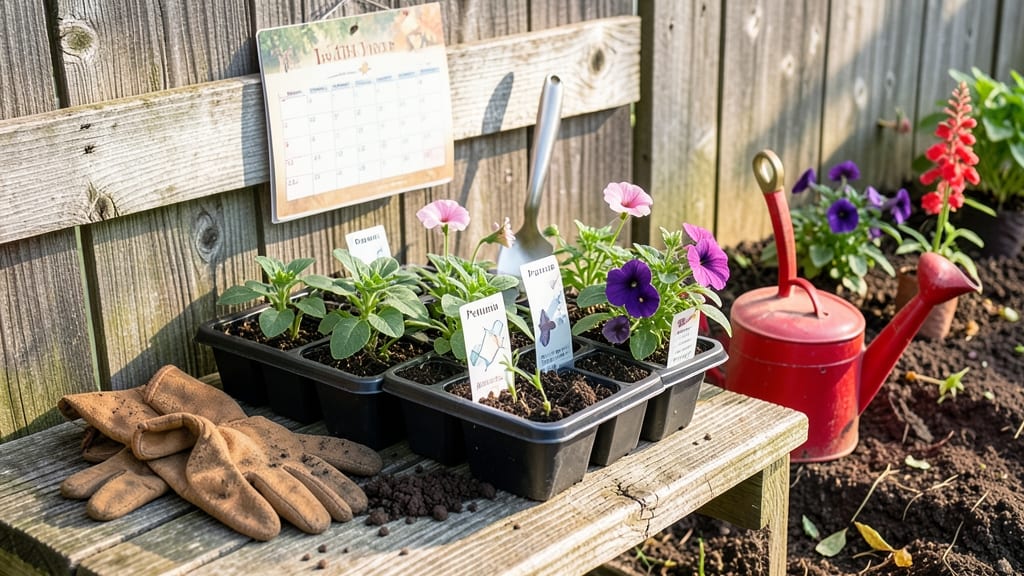
Planting your spring garden in Texas at the right time means catching that narrow window between frost and scorching heat 🌱 — a balance that can make or break your harvest.
Texas gardeners face a unique challenge: scorching summers and unpredictable springs—but timing your plantings just right can mean the difference between a thriving garden and a wilted disappointment.
Too early, and a late frost will nip your seedlings in the bud. Too late, and the summer heat arrives before your crops mature, leaving you with empty vines and frustration.
Below, I break down the exact months to plant by Texas hardiness zone, the best heat-resistant varieties for your region, and the three mistakes that even experienced gardeners make every spring.
Texas spring planting calendar by hardiness zones (8a-9b) with exact months
Timing your spring plantings in Texas is all about understanding your hardiness zone and soil temperature thresholds. With zones ranging from 8a (coldest) to 9b (warmest), North Texas (Dallas/Fort Worth) has later last frosts than South Texas (Houston/Corpus Christi).
I’ve broken down the exact months for cool-season crops and heat-tolerant varieties to maximize your garden’s success.
First, know your average last frost dates: Zone 8a (North Texas) typically sees frost until mid-March, while Zone 9b (South Texas) rarely drops below freezing. Central Texas (Austin/San Antonio) falls in between, with frosts lingering until early March.
Always check local frost maps before planting, as microclimates can shift these dates by weeks.
| Zone & Region | Cool-Season Crops (Plant) | Heat-Tolerant Crops (Plant) | Soil Temp Threshold (°F) | Key Tip |
|---|---|---|---|---|
| Zone 8a (Dallas/Fort Worth) | Feb 15–Mar 15 (direct sow) | Mar 20–Apr 15 (transplant) | 50°F+ (cool crops), 60°F+ (warm crops) | Use row covers for early greens. |
| Zone 8b (Austin/San Antonio) | Feb 1–Mar 10 (direct sow) | Mar 1–Apr 1 (transplant) | 55°F+ (cool crops), 65°F+ (warm crops) | Prioritize okra and sweet potatoes. |
| Zone 9a (Houston) | Jan 15–Feb 15 (direct sow) | Feb 15–Mar 1 (transplant) | 60°F+ (cool crops), 70°F+ (warm crops) | Start tomatoes in pots indoors. |
| Zone 9b (Corpus Christi) | Dec 15–Jan 15 (direct sow) | Jan 15–Feb 15 (transplant) | 65°F+ (cool crops), 75°F+ (warm crops) | Extend season with shade cloth. |
For cool-season crops like lettuce, spinach, and broccoli, aim to plant 6–8 weeks before your last frost date. In Zone 8a, this means starting seeds indoors by January 15 or direct-sowing by February 15. In warmer zones (9a–9b), you can push these dates earlier by 4–6 weeks.
Heat-tolerant crops like okra, black-eyed peas, and sweet potatoes thrive when soil temps hit 60°F+. In North Texas (Zone 8a), wait until March 20 to transplant seedlings, while South Texas (Zone 9b) gardeners can start as early as January 15.
Always test soil with a soil thermometer—cool, damp soil will shock young plants.
March is your sweet spot for transplanting warm-season crops like tomatoes, peppers, and basil. Harden off seedlings for 7–10 days before setting them out, and mulch heavily to retain moisture.
In Zone 8a, wait until April 1 to avoid late frosts, while Zone 9b gardeners can plant by February 15.
By April 15, focus on succession planting for quick crops like bush beans, cucumbers, and zucchini. These heat-lovers need full sun (6+ hours) and consistent watering. In South Texas, you can even squeeze in a second planting of okra by June 1 for a fall harvest.
Pro tip: Use shade cloth (30–50%) for early spring plantings in Zone 9b to protect tender greens from intense afternoon sun. This mimics the gradual warming of spring and prevents bolting. Pair it with drip irrigation to keep roots cool and moisture levels steady.
Remember, Texas springs are unpredictable. Always keep row covers or frost cloth on hand for unexpected cold snaps, especially in North and Central Texas. Monitor local weather forecasts and adjust your planting timeline accordingly—your garden’s success depends on it!
🌱
Texas springs can be deceptive—cool mornings give way to blazing afternoons, making traditional spring crops wilt before they thrive. But don’t despair! These 10 heat-resistant varieties are bred to handle Texas’ early-season heat while still producing bountiful harvests. From okra that loves the humidity to rosemary that thrives in dry soil, these plants are your secret weapon for a productive spring garden. When selecting plants, focus on varieties with deep root systems or waxy leaves—both traits help retain moisture in Texas’ intense sun. Start seeds indoors 6-8 weeks before your last frost date (typically late February to early March in most zones), then transplant outdoors once nighttime temperatures stay above 55°F. For direct sowing, wait until soil reaches at least 65°F to avoid stunted growth. ⚠️ PROS-CONS BOX: TEXAS SPRING PLANTING STRATEGIES
Top 10 heat-resistant vegetables & herbs for Texas spring gardens (with planting tips)
Let’s start with okra, a Texas spring staple that loves humidity and heat. Plant seeds ½ inch deep after the last frost, spacing them 12-18 inches apart in rows 3 feet apart.
Okra thrives with full sun and well-draining soil, making it perfect for South Texas’ clay-heavy soils. Pair it with basil or marigolds to deter pests like flea beetles.
For a nutrient-packed legume, try black-eyed peas, which fix nitrogen in the soil while tolerating 60-90°F temperatures. Sow seeds 1 inch deep in 3-foot rows, spacing plants 4-6 inches apart.
These peas pair beautifully with collard greens or turnips, creating a low-maintenance polyculture that thrives in Texas’ variable spring weather.
Don’t overlook sweet potatoes, which are technically vines but produce edible tubers even in heat. Start slips (young plants) in April-May once soil is 70°F+, spacing them 12-18 inches apart in mound-shaped beds for better drainage.
Their deep roots make them drought-tolerant once established, and they pair well with peppers or eggplants in the same bed.
Herbs like rosemary and thyme are drought-proof powerhouses that thrive in Texas’ alkaline soil. Plant them in full sun with well-draining soil, spacing 18-24 inches apart.
These herbs repel pests like carrot flies and cabbage worms, making them ideal companions for broccoli or kale in your spring garden.
To maximize yields, mulch heavily with straw or wood chips to retain moisture and regulate soil temperature. Water deeply once a week (more in 100°F+ heat) at the base of plants to encourage deep root growth.
Avoid overhead watering, which can spread fungal diseases like powdery mildew—a common issue in Texas’ humid springs.