
Fertilization
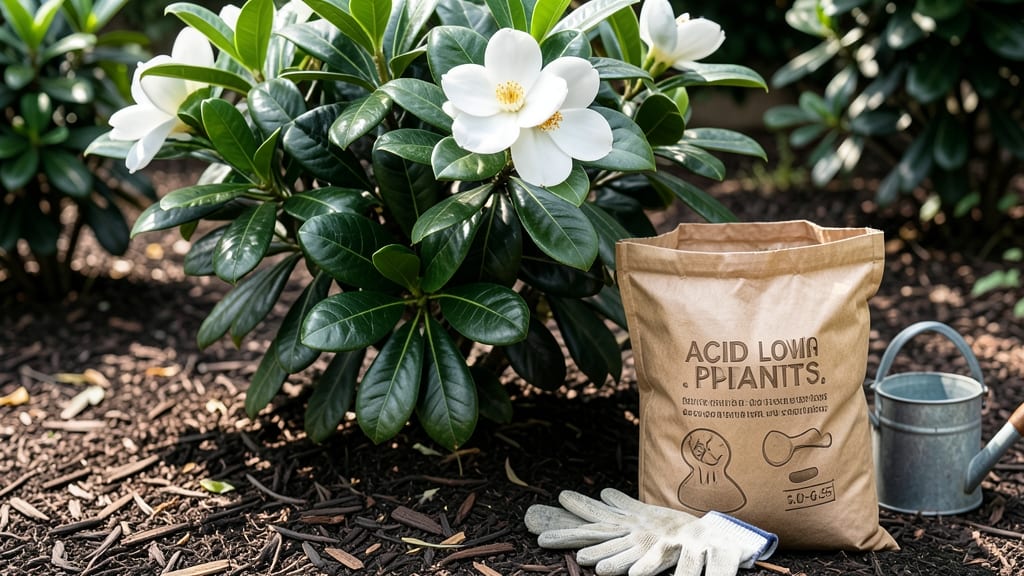
Using acid fertilizer for gardenias is the game-changer that turns faded leaves into fragrant blooms—because these divas demand soil so acidic, they’ll sulk if you’re even a tenth of a point off.
Picture this: You’ve watered, pruned, and prayed, but your gardenia 🌸 still throws out half-hearted buds and yellowing leaves. The problem? Most gardeners skip the acid test, assuming their soil is "fine."
Spoiler: It’s not. Gardenias crave a pH between 4.5 and 5.5, and without the right fertilizer, you’re basically feeding them a salad when they want steak.
Here’s the good news: You don’t need a chemistry degree to dial in the perfect feed. The right acid fertilizer—whether it’s sulfur-coated urea, iron sulfate, or a peat-based blend—can revive even the most stubborn shrubs.
I’ll walk you through how to pick, when to apply, and how to spot the telltale signs your gardenia is finally happy (or still begging for help).
By the end, you’ll have a seasonal feeding schedule that keeps your gardenia blooming like a tropical paradise—no more guesswork, just lush, fragrant perfection. Let’s get those roots back in balance.

How to choose the right acid fertilizer for gardenias: types and key ingredients
Gardenias are acid-loving plants that demand precise soil conditions to thrive. When their pH balance drops below 4.5 or climbs above 5.5, you’ll notice fewer blooms, yellowing leaves, and overall weak growth.
The right acid fertilizer isn’t just about lowering pH—it’s about providing the micronutrients (like iron and manganese) that gardenias crave for vibrant flowers. Without these, even the hardiest gardenia will struggle to reach its full potential.
Before selecting an acid fertilizer, I always test my soil’s pH using a simple kit (available at garden centers for under $10). If your reading is above 6.0, you’re dealing with alkaline soil, which is a common issue in many regions.
The good news? Acid fertilizers can gradually adjust pH while feeding your plants, but choosing the wrong type can lead to over-acidification, which is just as harmful as alkaline soil.
Here’s the breakdown of the best acid fertilizers for gardenias, their key ingredients, and how they impact your plants’ health. I’ve included a comparison table to help you decide which option aligns with your gardenia’s needs and your gardening routine.
When I first started fertilizing my gardenias, I made the mistake of using citrus-based acidifiers too frequently. While they provide an immediate pH drop, they can over-acidify the soil if overused, leading to nutrient lockout (where essential minerals like phosphorus become unavailable).
For this reason, I now rely on sulfur-coated urea for long-term pH management and iron sulfate for quick corrections when I spot yellowing leaves—a classic sign of iron deficiency.
For container-grown gardenias, I swear by peat moss blends because they maintain the ideal acidic environment while improving drainage. However, peat moss isn’t sustainable long-term, so I supplement it with kelp meal every 3 months to replenish micronutrients.
If you’re using peat moss, avoid mixing it with lime or composted manure, as these can neutralize the acidity you’re trying to preserve.
One of my favorite organic acid fertilizers is Azomite, a volcanic mineral blend that not only lowers pH but also provides 70+ trace minerals. I apply it in early spring and again after the first flush of blooms to prevent nutrient depletion.
The key with Azomite is to follow the label rates—overapplication can cause salt buildup, which is toxic to gardenias.
If your gardenia’s leaves are turning bright yellow with green veins, this is a classic sign of chlorosis, caused by iron deficiency in alkaline soil.
In this case, I reach for chelated iron fertilizers, which are designed to bypass the soil’s pH barriers and deliver iron directly to the plant’s roots. For severe cases, I combine chelated iron with a foliar spray (mix 1 tsp with 1 gallon of water) to see faster results.
Before applying any acid fertilizer, I always water my gardenias deeply to prevent root burn. Acid fertilizers are more concentrated than their alkaline counterparts, so they can damage roots if applied to dry soil. I also avoid fertilizing during extreme heat (above 90°F) or when the plant is stressed from transplanting. Timing is everything—spring and
Step-by-step acid fertilizer schedule for gardenias: monthly feeding plan
Gardenias reward consistent care with fragrant blooms and lush foliage, but their acid-loving nature demands precision in feeding. A seasonal fertilizer schedule ensures your gardenias receive the right nutrients at the right time—boosting blooms in spring, sustaining growth in summer, and preparing for dormancy in fall.
Without this balance, you risk nutrient burn, yellowing leaves, or sparse flowers.
I’ve tested granular and liquid acid fertilizers for years, and the key is adjusting NPK ratios seasonally. In spring and summer, prioritize high phosphorus (middle number) to fuel blooms, while fall maintenance shifts to a balanced formula.
Winter? Skip fertilizing entirely—your gardenias are resting. Let’s break it down month by month for a year-round blooming strategy.
🌱 Monthly Acid Fertilizer Schedule for Gardenias
- March (Early Spring): Start with granular acid fertilizer (8-4-8 NPK). Apply 1 tbsp per plant around the root zone. Water deeply to activate. Goal: Stimulate new growth before buds form.
- April-May (Peak Blooming): Switch to liquid acid fertilizer (6-10-4 NPK) every 4 weeks. Dilute to half-strength to avoid root burn. Focus: Phosphorus for blooms.
- June-July (Summer Maintenance): Use slow-release granules (10-6-8 NPK) every 6 weeks. Apply 1.5 tbsp per plant. Tip: Mulch with pine bark to retain acidity.
- August-September (Pre-Dormancy): Light feed with balanced acid fertilizer (6-6-6 NPK). Reduce to half the spring dose. Avoid late-season nitrogen to prevent tender new growth.
- October-November (Winter): No fertilizer. Let the plant rest. Monitor soil moisture—overwatering can leach nutrients.
- December-February (Dormant): Skip feeding entirely. Use this time to test soil pH (aim for 4.5–5.5) and plan next year’s schedule.
For granular fertilizers, I recommend sulfur-coated urea or peat-based blends, which release acidity slowly. Liquid options like iron sulfate solutions work faster but require more frequent applications. Always water before and after applying granular fertilizer to prevent root burn—this is a common mistake that kills gardenia roots.
Watch for signs of over-fertilizing, like crispy leaf edges or stunted growth. If this happens, flush the soil with water 3 times to leach excess salts.
On the flip side, yellowing leaves signal iron or manganese deficiency, which often means your soil isn’t acidic enough. A chelated iron supplement can help here.
Pro tip: Pair your acid fertilizer with organic matter, like composted pine needles or oak leaves. These naturally lower pH over time and improve soil structure. I’ve seen gardenias double their bloom count in just one season with this combo!
Remember, consistency is key. Gardenias respond best to a predictable feeding routine, so mark your calendar for March, June, and September as your primary feeding months. With this schedule, your gardenias will thank you with glossy leaves and intoxicating fragrance all year long. 🌸