
Planting
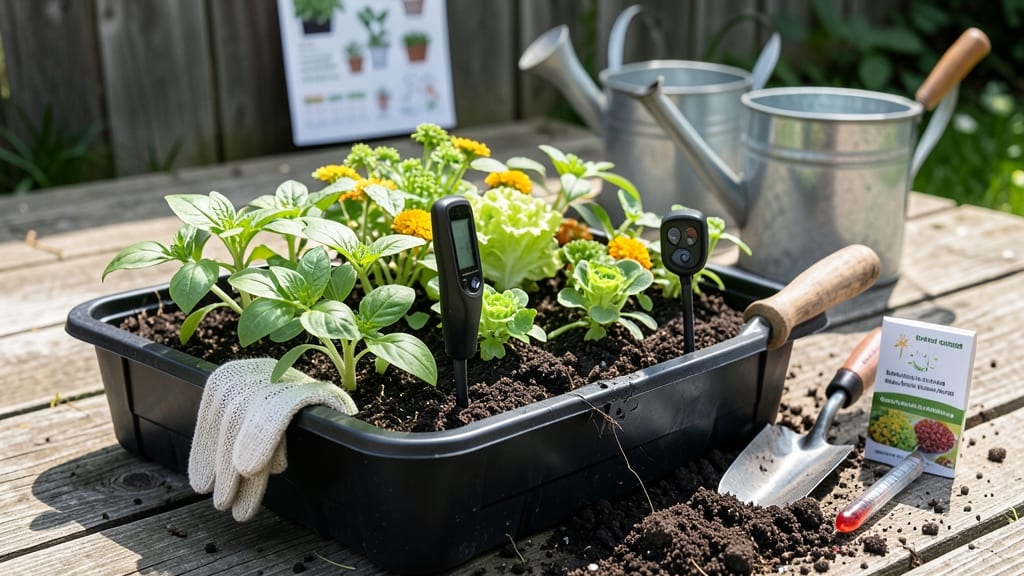
Planting seeds at the right time is the key to unlocking a garden that thrives instead of struggles—whether you’re in a chilly Zone 6a or a sweltering Zone 10, timing matters more than most beginners realize.
Picture this: you’ve spent hours preparing soil, selecting the perfect 🌱 General Seeds, and even marking your rows. But if you plant too early, frost zaps your seedlings; too late, and the heat arrives before your tomatoes set fruit.
I’ve seen both happen—and the difference between success and disappointment comes down to one simple rule.
Most gardeners focus on frost dates, but the real secret lies in soil temperature. Cool-season crops like lettuce and peas need soil in the 40–50°F range, while warm-season favorites like tomatoes and peppers won’t germinate until the earth hits 60°F or warmer.
That’s why your neighbor’s garden might be booming while yours sits dormant—or worse, rots in the ground.
In this guide, I’ll break down the exact planting windows for your region, how to adjust for unpredictable weather, and even a seed-specific chart so you can plan your harvests like a pro. No more guesswork—just a garden that grows.
USDA climate zones & optimal seed planting months by region
Understanding your USDA climate zone is the first step to planting seeds at the perfect time. Each zone—from Zone 3 (coldest) to Zone 10 (warmest)—dictates when cool-season crops like lettuce and spinach thrive versus warm-season crops like tomatoes and peppers.
Without this knowledge, you risk planting too early (and losing seedlings to frost) or too late (and missing the growing season).
For example, gardeners in Zone 3 (think Minnesota or Montana) can start cool-season seeds indoors as early as February, while those in Zone 10 (like Southern California) can plant warm-season crops year-round.
The key is aligning your planting schedule with your last frost date and soil temperature—not just the calendar month.
Below is a detailed breakdown of planting windows for both cool-season and warm-season crops across all USDA zones, including adjustments for microclimates (like urban heat islands or sheltered valleys). Use this as your guide to maximize germination rates and avoid common pitfalls.
| USDA Zone | Last Frost Date | Cool-Season Crops (e.g., Lettuce, Spinach, Peas) | Warm-Season Crops (e.g., Tomatoes, Peppers, Cucumbers) | Microclimate Adjustments | ||
|---|---|---|---|---|---|---|
| Indoor Start | Outdoor Planting | Indoor Start | Outdoor Planting | |||
| Cold Zones (3-5) | ||||||
| Zone 3 | May 15 | February | April 1 (4-6 weeks before frost) | March 15 | May 20 (after frost) | Extend season with row covers; cold frames for early starts. |
| Zone 4 | May 1 | February 15 | April 15 | March 1 | May 10 | Use black plastic mulch to warm soil faster. |
| Zone 5 | April 20 | February 20 | April 1 | February 28 | April 25 | Plant north-facing slopes last; south slopes first. |
| Temperate Zones (6-8) | ||||||
| Zone 6 | April 15 | March 1 | March 20 | February 15 | April 10 | Avoid low-lying areas prone to late frost. |
| Zone 7 | April 1 | February 15 | March 15 | February 1 | March 25 | Urban areas may be 5-10°F warmer; adjust planting dates. |
| Zone 8 | March 15 | January 30 | February 28 | January 15 | March 10 | Coastal zones stay warmer; plant warm crops earlier. |
| Warm Zones (9-10) | ||||||
| Zone 9 | February 1 | January 1 | February 15 | December 15 | February 1 | Succession plant every 2-3 weeks for continuous harvests. |
| Zone 10 | None (year-round) | Year-round | Year-round | Year-round | Year-round | Shade cloth needed in peak summer to prevent bolting. |
Notice how Zone 3 gardeners plant cool-season crops indoors in February, while Zone 10 gardeners can sow warm-season crops year-round. This shift reflects the 15-20°F temperature differences between zones.
For example, tomato seeds in Zone 3 need to wait until soil reaches 60°F, while Zone 9 gardeners can plant them as early as February when soil is already warm.
Microclimates add another layer of complexity. A south-facing wall can create a Zone 7 microclimate in an otherwise Zone 5 area, allowing you to plant warm-season crops 2-3 weeks earlier.
Conversely, low-lying areas may experience late frosts, delaying your planting window by weeks. Always scout your garden for these subtle differences before finalizing your schedule.
Pro tip: Use a soil thermometer to confirm when soil is ready for warm-season crops. For example, peppers need soil at 70°F to germinate, while cucumbers thrive at 65°F. Planting too early in cool soil leads to poor germination and stunted growth—wasting your seeds and time.
For cool-season crops, aim to sow seeds 4-6 weeks before your last frost date. This gives seedlings enough time to mature before temperatures drop. In Zone 6, that means starting spinach indoors by March 1
How to adjust planting times for unpredictable weather patterns
Unpredictable weather can throw off even the most carefully planned seed planting schedule. Early frosts, unexpected heatwaves, or heavy rainfall can turn your garden bed into a battleground for survival.
The key to success lies in flexibility—adjusting your planting timeline based on real-time conditions rather than relying solely on traditional calendars.
Start by monitoring soil temperatures with a reliable thermometer. Most seeds need soil that’s at least 60°F (15°C) for warm-season crops like tomatoes and peppers, while cool-season varieties like lettuce can germinate in 40-50°F (4-10°C).
If temperatures dip unexpectedly, delay planting or opt for cold-hardy varieties to avoid stunted growth or seedling loss.
⚠️ callout-warning
If your last frost date shifts unexpectedly, avoid planting tender seedlings like basil or cucumbers too early. Use row covers or extend your season with greenhouse trays instead. For warm-season crops, wait until soil stays above 65°F (18°C) for 5+ days—no exceptions!
For seedlings, practice hardening off 7-10 days before transplanting. Gradually expose them to outdoor conditions—start with 2-3 hours of sunlight and a slight breeze, then increase daily. This toughens their stems and leaves, making them more resilient to temperature swings and wind stress after moving to the garden.
Create a backup planting schedule for each crop. For example, if your first tomato seeds fail due to cold soil, have a second batch ready to sow 2-3 weeks later. Succession planting also helps—sow radishes or lettuce every 2 weeks to ensure a continuous harvest, even if weather delays germination.
When rainfall becomes erratic, prioritize well-draining soil and use mulch to retain moisture. For containers, opt for self-watering pots or group them together to create a microclimate that regulates humidity. If drought strikes, focus on drought-tolerant seeds like zucchini or Swiss chard, which thrive with minimal water once established.
Finally, keep a gardening journal to track weather patterns in your area. Note when frost occurs, how long heatwaves last, and how your plants respond. Over time, you’ll spot trends—like a delayed spring or earlier fall frost
Flexibility is your greatest tool in the garden! 🌱