
Container Gardens
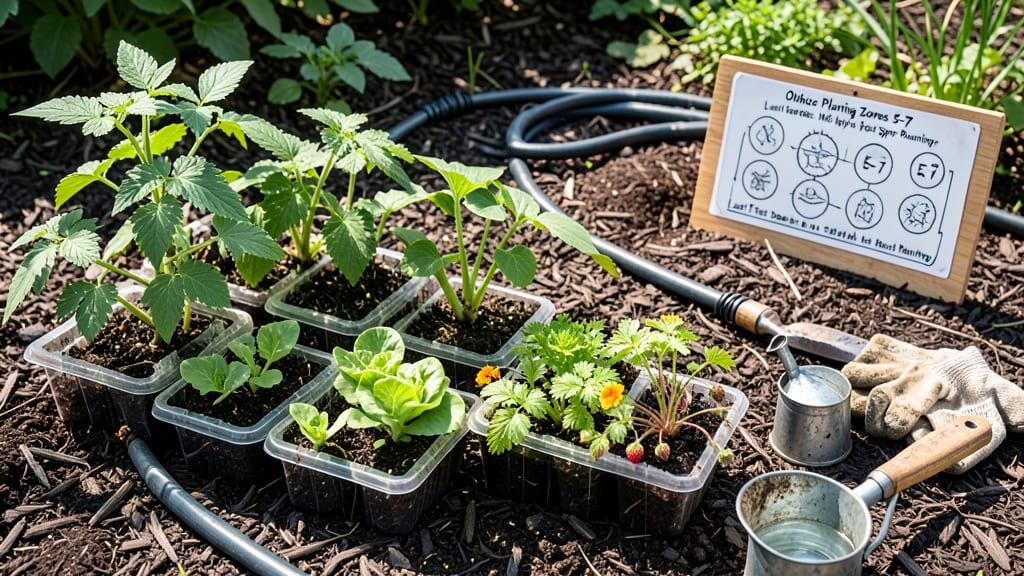
Planting gardens in Ohio after the last frost date—typically mid-April—sets you up for a thriving harvest instead of a frost-bitten mess.
Ohio’s unpredictable spring weather can turn gardening dreams into frost-bitten disappointments—but knowing the exact zero-frost planting windows for your zone means you’ll harvest like a pro. Whether you’re sowing cool-season greens or heat-loving tomatoes, timing is everything.
This guide breaks down Ohio’s USDA zones (5a-6b) with frost-free deadlines, month-by-month planting charts, and pro tips to stretch your season. No more guessing—just plenty of time to enjoy fresh veggies straight from your garden.
From early spring lettuce to late-summer peppers, we’ll cover what to plant when, how to prep your soil, and even how to cheat Mother Nature with row covers. Ready to grow like a local?
Ohio planting zones: last frost dates by region (2024 data)
Ohio’s gardening success starts with understanding your USDA hardiness zone and last frost dates. With zones ranging from 5a in northern areas to 6b in southern regions, Ohio’s climate varies dramatically—even within 50 miles. Knowing these dates helps you avoid frost damage while maximizing your growing season.
The average last spring frost typically occurs between April 15 and May 10, while the first fall frost arrives between October 10 and November 1, depending on your location.
Microclimates play a huge role in Ohio. Areas near Lake Erie experience delayed spring frosts due to the lake’s warming effect, while Appalachian foothills in southeastern Ohio often see earlier frosts. Urban areas like Columbus and Cincinnati can have 2-3°F warmer microclimates than rural zones just 10 miles away.
These variations mean your neighbor’s planting schedule might not be ideal for your garden.
Below is a detailed breakdown of Ohio’s planting zones, including historical frost dates and microclimate exceptions. Use this to pinpoint your personal frost-free window and plan accordingly. For precise timing, check the NOAA Climate Normals for your specific county.
🌱
| Zone | Region | Avg Last Frost | Avg First Frost | Frost-Free Days | Microclimate Notes |
|---|---|---|---|---|---|
| 5a | Northeast Ohio (Youngstown, Toledo north) | May 5 - May 15 | October 5 - October 15 | 150-160 days | Coldest zone; Lake Erie delays spring frosts near water |
| 5b | Northeast/Central (Akron, Cleveland) | April 25 - May 5 | October 10 - October 20 | 160-170 days | Urban heat islands extend season by 1-2 weeks |
| 6a | Central Ohio (Columbus, Dayton) | April 15 - April 25 | October 15 - October 25 | 170-180 days | Longest growing season; ideal for warm-season crops |
| 6b | Southeast Ohio (Cincinnati, Athens) | April 5 - April 15 | October 20 - November 1 | 180-190 days | Appalachian foothills get earlier frosts; valleys stay warm longer |
If you’re in zone 5a, wait until May 10 to plant warm-season crops like tomatoes and peppers. In zone 6b, you can start these as early as April 15—but always monitor soil temperatures, which should be at least 55°F (13°C) for warm-season plants.
Cool-season crops like spinach and kale can go in the ground 4-6 weeks before your last frost date, even if light frosts are still possible.
For Lake Erie gardeners, the Lake Effect can delay spring frosts by 1-2 weeks near shorelines. This means you might safely plant marigolds or basil a week earlier than inland areas.
Conversely, gardeners in Appalachian valleys should plant heat-loving crops like okra or sweet potatoes closer to Memorial Day to avoid unexpected late frosts.
To extend your growing season, use row covers or cold frames
Best planting calendar for Ohio gardens: what to sow when by month
Ohio’s gardening season isn’t just about spring—it’s a year-round rhythm of cool-season greens, heat-loving tomatoes, and hardy perennials. I’ve planted ‘Ohio State’ tomatoes and sugar snap peas for years, and timing makes all the difference between a bountiful harvest and a sad, wilted disappointment.
The key? Matching your seeds to Ohio’s average last frost dates (April 15 in most zones) while planning for succession planting to keep your table stocked all summer.
For cool-season crops like spinach and peas, start indoors in March or direct-sow after the last frost. Warm-season stars like bell peppers and cucumbers need soil at 60°F+, so wait until mid-May—unless you’re using row covers to cheat the system.
And don’t forget perennials! Herbs like rosemary and shrubs like butterfly bush thrive when planted in early spring or fall, giving roots time to establish before extreme weather.
- 🌱 March: Start cool-season crops indoors (lettuce, spinach) or direct-sow hardy peas and radishes after soil warms to 40°F.
- ☀️ April: Plant potatoes and onions as soon as soil is workable. Transplant broccoli and cabbage seedlings after last frost.
- 🌿 May: Sow warm-season crops like tomatoes and peppers after Memorial Day (May 25) when soil hits 60°F+. Start succession plantings of beans and squash.
- 🌻 June-August: Plant fall crops (kale, carrots) in late July for harvest before frost. Deadhead annuals to extend blooms.
- 🍂 September-October: Sow garlic and spinach for overwintering harvests. Plant perennials like asparagus crowns before ground freezes.
Pro tip: Use succession planting to keep your garden productive. After harvesting early bush beans, replant with carrots or lettuce—they’ll thrive in the same space. I’ve doubled my harvest this way! For Ohio-specific varieties, stick with ‘Ohio State’ tomatoes (disease-resistant) and ‘Sugar Sprint’ peas (early maturing).
Don’t overlook perennial planting. Shrubs like blueberry bushes and lavender need time to root, so plant them in early spring or fall. I’ve found that fall-planted perennials often outperform spring ones because they establish roots before summer heat. Just mulch heavily to protect them from winter’s chill.
Ohio’s first frost typically hits in mid-October, but don’t panic—extend your season with row covers or cold frames. I’ve kept kale and spinach growing until November using simple hoop tunnels.
For warm-season crops like peppers, start seeds indoors in February to get a head start on the short growing season.
Remember, Ohio’s microclimates vary—northern zones (like Cleveland) get frost later than southern areas (like Cincinnati). Check your local USDA zone and adjust planting dates by 1-2 weeks if needed. With this calendar, you’ll avoid frost bites and enjoy a garden that’s always in season! 🌱