Planting
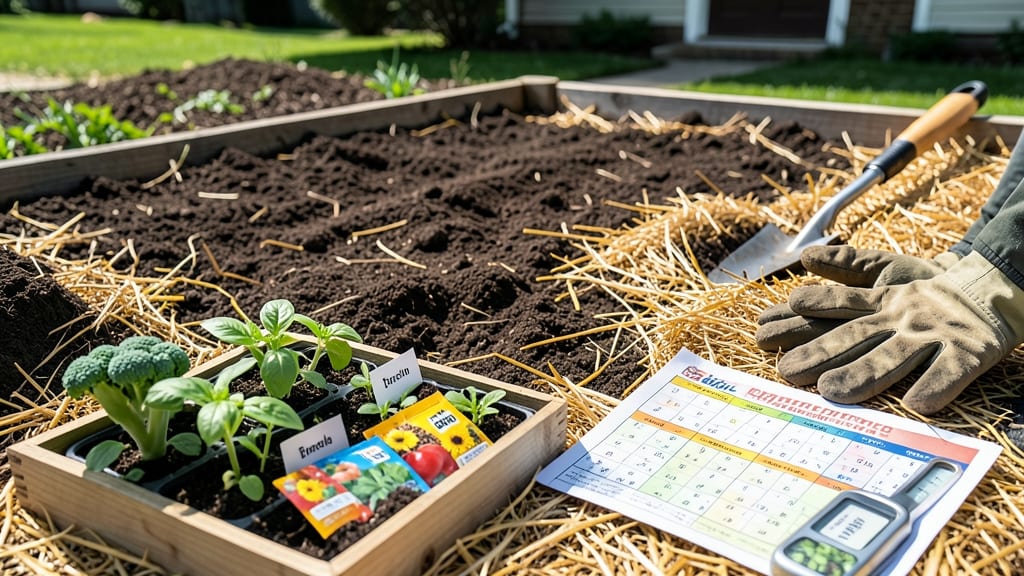
To plant a garden in Pennsylvania, aim for late April to mid-May when frost risk drops to near zero in Zone 6B — the critical window between chilly nights and summer heat.
Pennsylvania’s unpredictable spring weather can turn your gardening dreams into a gamble—unless you know the exact zero-frost deadlines for Zone 6B. Miss these dates, and your seedlings could face a deadly surprise.
Whether you’re growing cool-season crops like lettuce or warm-season favorites like tomatoes, timing matters. Philadelphia’s last frost typically arrives by April 15, while Pittsburgh may wait until May 1. That’s why understanding your microclimate is the key to a thriving garden.
In this guide, I’ll break down the perfect planting schedule for your region, including when to start seeds indoors, how to extend your season, and the must-know frost-free tricks that save your plants.
Pennsylvania Zone 6B last frost dates: when to plant cool-season vs. warm-season crops
Pennsylvania's Zone 6B stretches from Philadelphia to Pittsburgh, offering a 180-day growing season when timed right. The last frost dates typically range from April 15 to May 15, but microclimates can shift this by weeks.
Urban areas like Philadelphia often warm 7-10 days earlier than rural zones near Harrisburg, where cold air pools longer.
Cool-season crops like lettuce and peas thrive when planted 4-6 weeks before your last frost date. Warm-season favorites such as tomatoes and peppers need soil temperatures above 60°F—wait until after your last frost to avoid stunted growth.
Using these dates ensures your seedlings escape frost damage while maximizing your harvest potential.
Here’s a region-specific breakdown of Pennsylvania’s Zone 6B last frost dates and ideal planting windows for key crops:
| Region | Last Frost Date | Cool-Season Planting | Warm-Season Planting | Key Crops |
|---|---|---|---|---|
| Philadelphia Area | April 15 | March 15–April 15 | After April 15 | Lettuce, Peas, Spinach, Broccoli |
| Harrisburg Area | May 1 | April 1–April 15 | After May 1 | Peas, Kale, Tomatoes, Peppers |
| Pittsburgh Area | April 25 | March 25–April 15 | After April 25 | Spinach, Radishes, Cucumbers, Basil |
| Statewide Average | April 15–May 1 | March 15–April 15 | After last frost | All vegetables |
For cool-season crops, I recommend planting lettuce and spinach as early as mid-March in Philadelphia, while peas and broccoli can handle light frosts and often do well until late April. In Pittsburgh, where frosts linger, wait until late April for radishes and kale to avoid bolted greens.
Warm-season crops like tomatoes and peppers demand patience—soil must reach 60°F before planting. In Philadelphia, this usually aligns with mid-April, but in Harrisburg, it’s often early May.
To hedge your bets, use row covers or start seeds indoors 6-8 weeks before your last frost date for a head start.
Don’t overlook succession planting! After harvesting early lettuce or radishes, replant with bush beans or carrots to extend your harvest. This tactic maximizes your garden’s productivity and keeps your kitchen stocked all season.
If you’re in a microclimate (like a south-facing slope or urban heat island), you might push planting dates 1-2 weeks earlier. Conversely, low-lying areas or valleys can experience late frosts into mid-May, so monitor local forecasts or use frost cloths for protection.
Pro tip: Mark your calendar for Mother’s Day weekend (May 10–12), a traditional benchmark for planting warm-season crops in Pennsylvania. By this date, the risk of frost has typically passed in most of Zone 6B, making it a safe time to plant tomatoes, peppers, and squash.
For extra insurance, I keep a frost watch on the NOAA website
How to calculate your local zero-frost risk for safer planting in Pennsylvania
Pennsylvania’s Zone 6B frost dates vary by 10–14 days across regions, making blanket advice risky. My Pittsburgh garden hit 28°F in late April last year, while Philadelphia stayed frost-free until May 10. To avoid losing your seedlings to surprise frost, you need precise local data—not just the average.
Start with the NOAA Climate Data portal or Penn State Extension’s frost maps. These tools show historical last-frost dates for your ZIP code, accounting for urban heat islands (which delay frost by 3–5 days) and elevation shifts (higher areas freeze earlier).
For example, State College’s last frost is often May 5, while Erie’s can be as late as May 20.
⚠️ callout-warning
A 1-mile elevation gain can shift frost dates by 3–7 days. Urban areas stay 3–5°F warmer at night, delaying frost by up to 2 weeks. Always adjust your last-frost date by:
- +3 days if you’re in a city center
- –5 days for every 500 ft elevation gain
- +7 days if near a large body of water
Pro Tip: Use Penn State’s Frost-Free Calculator (extension.psu.edu/frost) to input your exact coordinates.
Next, factor in 3-year averages from NOAA’s Local Climatological Data. Check the “Extremes” section for the latest frost recorded in your area—this is your absolute cutoff.
For instance, if your average last frost is April 25 but the latest recorded was May 10 (2018), wait until May 15 to plant warm-season crops like tomatoes or peppers.
For cool-season crops (lettuce, spinach, peas), you can plant 4–6 weeks before your average last frost. But if you’re using row covers or a low tunnel, extend that window by 2–3 weeks.
My kale seedlings survived a 26°F night under row covers in early April—something impossible without protection.
Use frost-free calculators like the Old Farmer’s Almanac or PlantMap to cross-reference. These tools let you input microclimate factors (like nearby trees or pavement) to refine your planting window. For example, a south-facing slope warms up 2–3°F faster than flat ground, letting you plant tomatoes 5 days earlier.
Finally, monitor weekly forecasts 10 days before your target planting date. The National Weather Service’s “Frost Advisory” alerts are your last line of defense. I once lost my $80 basil seedlings because I ignored a 30°F warning—a mistake I won’t repeat.
By combining historical data, microclimate adjustments, and real-time alerts, you can safely extend your growing season by 2–4 weeks without risking frost damage.