Planting
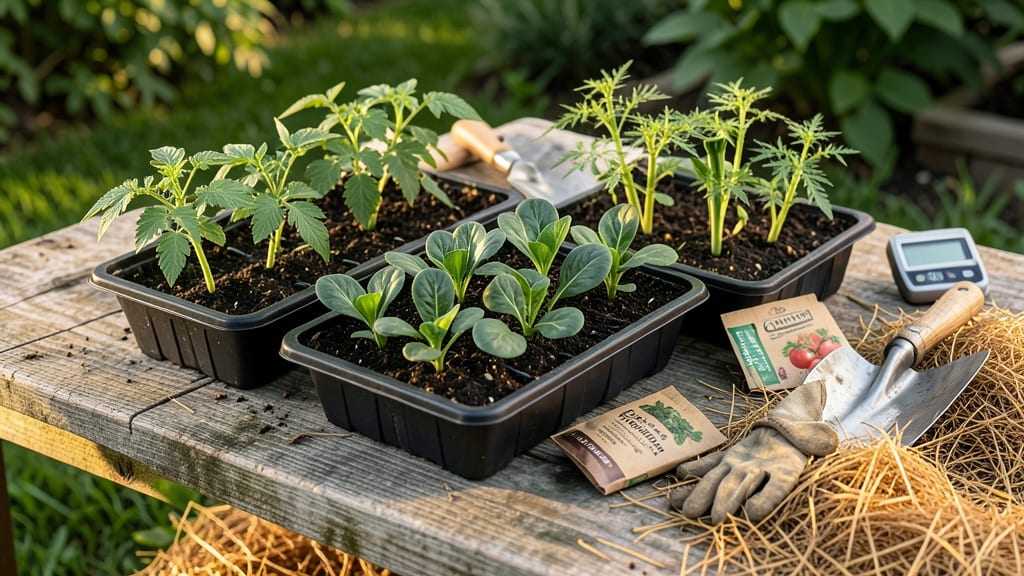
Planting a garden in Georgia at the right time makes all the difference between a bountiful harvest and a struggle with heat or frost.
Georgia’s warm climate and diverse planting zones mean your garden’s success hinges on timing—plant too early or late, and you’ll miss peak yields.
Whether you’re in the Blue Ridge Mountains or the coastal plains, knowing when to start seeds indoors or set transplants outdoors is the key to thriving vegetables, flowers, and herbs.
Cool-season crops like lettuce and broccoli thrive in early spring or late fall, while warm-season favorites such as tomatoes and peppers need the soil to be warm—usually by late April or May.
But don’t guess: the University of Georgia Extension provides frost-free dates and soil temperature guidelines to help you plan with confidence.
In this guide, I’ll break down the best months to plant by zone, share adjustments for microclimates, and give you a month-by-month calendar so you can grow year-round with minimal stress.
Georgia planting zones explained: when to start seeds vs. transplants
Georgia spans USDA Hardiness Zones 7a through 8b, creating a long growing season with regional variations. In Zone 7a (northwest mountains), last frosts average March 15-April 1, while Zone 8b (southwest coastal areas) enjoys frost-free winters and earlier planting.
Understanding these zones helps you time seeds and transplants for maximum success.
Cool-season crops like lettuce, broccoli, and peas thrive in Georgia’s fall and early spring, while tomatoes, peppers, and cucumbers need warm soil temperatures (60°F+) to germinate.
Starting seeds indoors 6-8 weeks before last frost gives them a head start, while transplants can go in 2-4 weeks after—but timing shifts by 1-2 weeks between zones.
The University of Georgia Extension recommends using soil thermometers to confirm readiness—50°F for cool crops and 60°F+ for warm crops. Coastal areas can plant 2-3 weeks earlier than mountain regions, so adjust your schedule accordingly.
Here’s a quick reference for Georgia’s seed-starting vs. transplant windows by zone:
| Zone | Last Frost Date | Start Cool-Season Seeds Indoors | Transplant Cool Crops | Start Warm-Season Seeds Indoors | Transplant Warm Crops |
|---|---|---|---|---|---|
| 7a (Northwest) | March 15–April 1 | February 1–March 15 | April 15–May 1 | March 1–April 15 | May 1–June 1 |
| 7b (Central) | March 1–March 15 | January 15–February 15 | March 15–April 1 | February 15–March 1 | April 15–May 1 |
| 8a (South) | February 15–March 1 | December 15–January 15 | February 1–March 1 | January 1–February 15 | March 15–April 1 |
| 8b (Coastal) | January 15–February 1 | November 15–December 15 | January 1–February 1 | December 1–January 15 | February 15–March 1 |
For cool-season crops, prioritize transplanting after soil warms (test with a thermometer) to avoid rot from cold, wet soil. Warm-season crops like okra and sweet potatoes can handle hotter soil, so wait until mid-spring when nights stay above 60°F.
Pro tip: Use row covers to protect early transplants from late frosts, especially in Zone 7a. This extends your planting window by 2-3 weeks without risking damage. Monitor local frost alerts via the National Weather Service for real-time adjustments.
If you’re growing perennials like asparagus or rhubarb, plant crowns in early spring (March–April) when soil is workable but not soggy. These slow starters benefit from undisturbed roots, so avoid replanting once established.
For container gardening, follow the same zone-based timing but use heat mats to speed up seed germination in cooler months. Containers warm up faster than soil, so you can plant warm-season crops 1-2 weeks earlier than in-ground gardens.
Always check <
Month-by-month planting calendar for Georgia gardens
Georgia’s extended growing season lets you enjoy fresh produce year-round, but timing is everything. Whether you're growing cool-season greens or heat-loving tomatoes, knowing when to plant ensures maximum yields.
This calendar aligns with Georgia’s USDA zones 7a-8b, accounting for regional variations like the Blue Ridge Mountains and coastal areas.
For cool-season crops, start seeds indoors 6-8 weeks before your last frost date (typically mid-March in most regions). Warm-season plants like peppers and cucumbers should only go in after soil warms to 60°F+, usually mid-April to May.
Let’s break down each month’s planting priorities to keep your garden thriving.
- January-February: Plant broccoli, cabbage, and onions in early January. Start peas and spinach seeds outdoors in late January for early spring harvests.
- March: Sow carrots, lettuce, and radishes outdoors. Begin tomato and pepper seeds indoors 8-10 weeks before last frost.
- April: Transplant cool-season crops like broccoli and cabbage. Start warm-season crops (e.g., beans, squash) outdoors after soil warms.
- May-June: Plant tomatoes, peppers, and eggplants after last frost (mid-May in most areas). Succession plant lettuce and bush beans every 2 weeks.
- July-August: Sow fall crops like kale, collards, and turnips. Start broccoli and cabbage indoors for September transplanting.
- September-October: Plant cool-season crops (e.g., spinach, radishes) and garlic for next year’s harvest. Succession plant green onions.
- November-December: Cover winter greens with row covers or mulch. Plant winter ryegrass as a cover crop to protect soil.
Succession planting is key for continuous harvests. For example, sow radishes every 2 weeks from March to October to enjoy fresh harvests all season. In Zone 8b, you can even grow winter lettuce under row covers.
Adjust timing for high-altitude areas (e.g., Blue Ridge) by waiting 2-3 weeks longer for warm-season crops.
Pro tip: Use a planting journal to track what works best in your microclimate. For instance, coastal Georgia’s humidity may require more spacing for plants like tomatoes to prevent disease. Always check soil temperature with a soil thermometer—warm-season crops need 60°F+ soil to thrive.
Plan ahead for fall harvests by starting broccoli and cabbage indoors in July. This ensures they’re ready for transplanting in September, giving you fresh greens through winter. Don’t forget to mulch heavily in late fall to protect roots from freezing temperatures.
With this calendar, you’ll avoid common mistakes like planting tomatoes too early (they’ll rot in cold soil) or missing fall planting windows for cool-season crops. Happy planting—your garden’s success starts with the right timing! 🌱