Planting
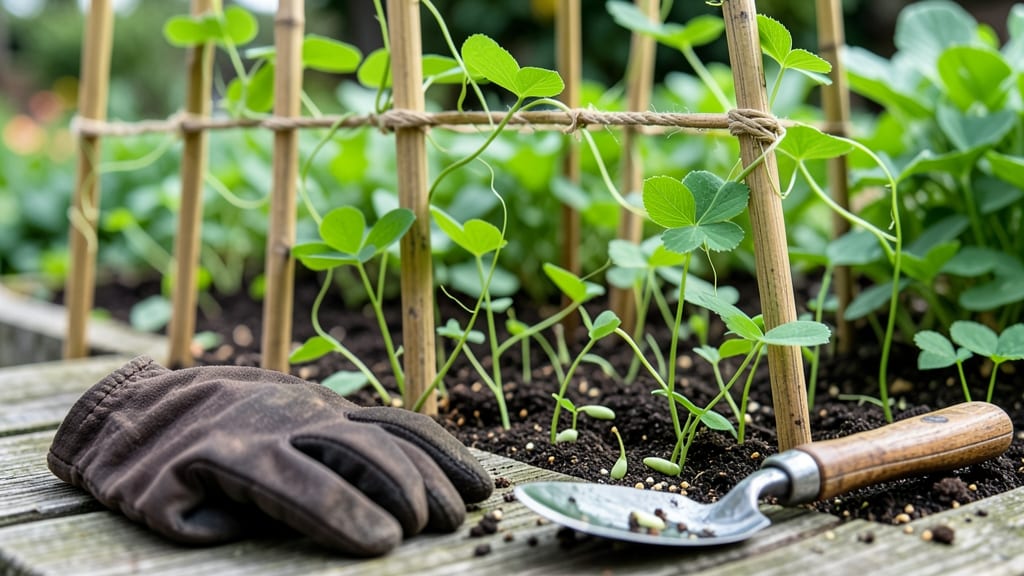
Plant garden peas when soil temperatures hit 40-50°F—that’s the cold-soil trick for fast germination and a bumper crop.
Struggling to get your garden peas 🌱 to sprout quickly? The secret lies in planting them at the perfect time—when soil is cold but workable—while avoiding common mistakes that stall germination.
In USDA Zone 6a, that means aiming for early spring (4-6 weeks before your last frost) or late summer (70-90 days before the first frost). Too early, and you risk waterlogged soil; too late, and the heat zaps their energy.
Below, I’ll break down the exact timing for your region, plus pro tips to double your yield—like pre-chilling seeds and the best companion plants to keep pests away.
Optimal planting times for garden peas based on climate zones
Planting garden peas at the right time can mean the difference between a bountiful harvest and wasted seeds. These cool-season crops thrive in soil temperatures between 40-50°F, making early spring and late summer the ideal windows.
But timing varies dramatically across USDA climate zones—plant too early, and you risk seed rot; too late, and your peas struggle to mature before frost. Let's break down the perfect planting schedule for your zone to maximize your yield.
In northern zones (3-5), where winters are harsh and springs arrive late, peas should go into the ground as soon as the soil is workable—often 4-6 weeks before your last frost date. This typically means late February to early April, depending on your location.
For example, in Zone 4, I plant mine in early March when soil temps hit 45°F. Meanwhile, gardeners in southern zones (8-10) can extend their growing season into late fall, planting as late as September or October for a winter harvest.
Cold-hardy varieties like 'Sugar Snap' or 'Green Arrow' can even handle light frosts, but avoid planting when nighttime temps drop below 30°F. In transition zones (6-7), where springs can be unpredictable, I recommend planting in two successions: once in early spring and again in late summer (70-90 days before your first frost). This double approach ensures a steady supply of fresh peas without gaps in your harvest schedule.
Here’s a quick reference for your zone—adjust based on your specific last frost date and microclimate:
| USDA Zone | Early Spring Planting | Late Summer/Fall Planting | Soil Temp Threshold | Key Notes |
|---|---|---|---|---|
| 3-5 | Late February - Early April | N/A (Too cold for fall) | 40-50°F | Use row covers for frost protection |
| 6-7 | Early March - Mid-April | Late July - Early September | 45-50°F | Ideal for two plantings |
| 8-10 | Late January - Early March | September - October | 50-55°F | Avoid summer heat; opt for fall |
For Zone 6 and 7, where I live, I’ve found that planting peas in early March (just as daffodils push through the soil) gives them enough time to mature before the summer heat sets in.
The key is to monitor soil temperatures—peas won’t germinate well if the ground is too warm. Use a soil thermometer to confirm temps are in the 40-50°F range before sowing.
If your soil is still too cold, wait a week or two; rushing the process often leads to damping-off disease.
In warmer zones (8-10), focus on fall planting to avoid the scorching summer sun. I plant mine in September when daytime highs dip below 85°F. This strategy lets peas grow through the cooler months, producing sweet pods just before winter sets in.
Just be sure to choose heat-tolerant varieties like 'Oregon Sugar Pod' if you must plant in early spring—regular peas bolt (flower prematurely) when stressed by heat.
One of my biggest mistakes was planting peas in May—the soil was warm, and the seeds rotted before sprouting. Since then, I’ve learned to stick to the early spring window and supplement with a light mulch of straw to keep soil temps stable.
This simple trick has boosted my germination rate from 50% to nearly 90%. For fall plantings, I also use black plastic mulch to warm the soil slightly and extend the growing season by a few weeks.
Pro tip: If you’re in a transition zone (7-8), consider interplanting peas with radishes. Radishes mature quickly and mark the spot for your peas, while the peas provide shade to keep the soil cool for the radishes.
It’s a win-win for small gardens! Always aim to harvest your peas before the summer solstice—after that, the heat becomes too intense, and the plants struggle to produce.
Remember, garden peas are short-day plants, meaning they flower and set pods based on daylight length rather than temperature. This makes them ideal for early spring and fall planting when days are shorter.
By aligning your planting schedule with daylight hours and soil temps, you’ll ensure your peas grow vigorously and produce abundantly—no matter which zone you’re in. Happy planting! 🌱
Cold-soil planting tricks to speed up germination and avoid rot
Cold soil can feel like a gamble when planting garden peas, but with the right tricks, you can turn chilly conditions into your advantage. Peas thrive in 40-50°F soil, which is often too cold for many other crops.
The key is preparing seeds and soil to prevent rot while encouraging fast germination.
I’ve learned that pre-chilling seeds mimics winter conditions, helping them recognize when to sprout. Combine this with well-amended soil and smart mulching, and you’ll see those first green shoots in record time. Let’s break down the exact steps to make cold-soil planting work for your peas.
Start by pre-chilling seeds for 24-48 hours in your fridge. Place them in a damp paper towel inside a sealed bag to simulate winter dormancy. This trick works especially well for slow-germinating varieties like Sugar Snap or Wando peas, which need that extra nudge.
Next, amend your soil with compost and coarse sand to improve drainage. Aim for a mix that holds moisture but never stays soggy. A simple ratio is 1 part compost to 2 parts native soil, with a handful of sand per square foot.
This prevents the fungal issues that plague peas in damp conditions.
Use straw or shredded leaves as mulch after planting to regulate soil temperature and retain moisture. Apply a 2-inch layer, keeping it 2 inches away from plant stems to avoid rot. This mulch layer also deters weeds, giving your peas a competitive edge.
For extra protection, plant peas near companion plants like radishes or carrots. These companions improve soil structure and deter pests without competing for nutrients. Avoid planting near onions or garlic, which can stunt pea growth.
With these cold-soil strategies, you’ll see faster germination and healthier plants, even when temperatures dip. The secret is preparation—pre-chill seeds, amend soil, mulch wisely, and choose the right companions. Your peas will reward you with plump pods in no time! 🌱