
Light Requirements
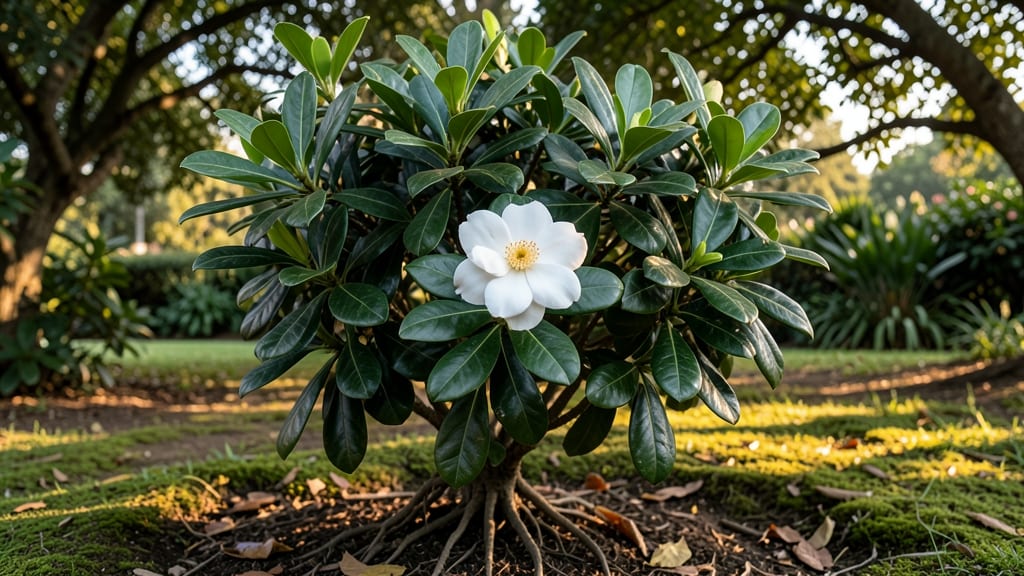
Gardenias can grow in shade, but their success depends on the right balance of light, soil, and care to unlock those fragrant blooms you love.
Picture this: you’ve fallen for a gardenia’s intoxicating scent and glossy leaves, only to realize your yard is mostly dappled shade. Many assume these tropical beauties need full sun, but the truth is more flexible than you’d think.
With the right approach, gardenias can thrive in partial shade—though they’ll still whisper their secrets to you if you get their needs just right.
Here’s the catch: gardenias crave bright, indirect light, not deep darkness. Think east-facing windows or the filtered glow under tall trees. Too little light, and you’ll miss out on those showstopping blooms—but too much harsh afternoon sun can scorch their delicate leaves.
The key is finding that sweet spot where they get enough energy to flourish without wilting.
In this guide, I’ll break down exactly how much shade your gardenias can handle, the soil tweaks that make all the difference, and five proven strategies to coax vibrant blooms even in shadier spots.
Whether you’re working with a shady patio or a woodland garden, you’ll learn how to turn "can’t grow gardenias" into "look at these blooms!"

How much shade can gardenias tolerate before struggling?
Gardenias thrive in bright, indirect light, but their tolerance for shade depends on the intensity and type. While they can survive in partial shade, pushing them into deep or dense shade will lead to leggy growth and fewer blooms.
The key lies in understanding how photosynthesis limitations affect their energy production and fragrance output.
Most gardenia varieties need at least 3-4 hours of filtered sunlight daily to maintain healthy foliage and blooming. When exposed to less than 2 hours of light, they’ll start showing signs of stress like yellowing leaves and sparse flowering.
This happens because gardenias rely on sunlight to produce energy for their fragrant blooms and glossy leaves.
The difference between dappled shade (light filtering through trees) and full shade (blocked sunlight) is critical. Dappled shade allows enough light for photosynthesis, while full shade starves the plant of the energy it needs.
Even in partial shade, gardenias may struggle to produce their signature sweet-scented flowers if conditions are too dim.
Here’s a quick breakdown of how shade intensity affects gardenias:
| Shade Type | Light Exposure | Growth Impact | Bloom Impact |
|---|---|---|---|
| Full Sun | 6+ hours direct | Healthy, compact growth | Abundant, fragrant blooms |
| Partial Shade | 3-4 hours filtered | Moderate growth, may stretch | Fewer blooms, less fragrance |
| Dappled Shade | 2-3 hours indirect | Leggy, sparse foliage | Minimal to no blooms |
| Full Shade | <2 hours light | Weak, yellowing leaves | No blooms, survival mode |
If your gardenia is in partial shade, monitor its leaves for signs of chlorosis (yellowing between veins), which indicates insufficient light for chlorophyll production. This condition often appears in acidic soils (gardenias’ preferred pH of 5.0-6.5) when light is limited, as the plant struggles to absorb iron.
Another red flag is sparse or no blooming, even if the plant appears healthy. Gardenias produce flowers as an energy-intensive response to sunlight. Without adequate light, they’ll prioritize leaf growth over blooms.
If you’re growing gardenias in containers, rotate them quarter-turns weekly to ensure even light exposure on all sides.
For gardeners in USDA Zones 7-10, where gardenias are most commonly grown, the best shade strategy is to place them in morning sun with afternoon shade. This mimics their natural habitat in tropical forests, where they receive dappled sunlight.
Avoid placing them under dense evergreens, which block too much light and create root competition.
Scientifically, gardenias have C3 photosynthesis pathways, meaning they’re less efficient in low light compared to C4 plants like grasses. This makes them particularly sensitive to shade stress. When light drops below 20% of full sun, their metabolic processes slow, leading to stunted growth and poor flowering.
To counteract this, supplement with balanced fertilizer (10-10-10 NPK) to support energy production.
If you’re committed to growing gardenias in shade, consider dwarf varieties like 'Radicans', which are slightly more adaptable. Pair them with light-reflecting mulch (like white gravel) to bounce extra light onto the leaves. With these adjustments, you can coax healthier growth and even some blooms from shade-loving gardenias.
Remember, the goal isn’t to force gardenias to thrive in deep shade but to optimize their environment for the light they do receive. Even a few hours of bright indirect light can make a world of difference in their fragrance and foliage health.
5 Proven strategies to grow thriving gardenias in partial shade
Gardenias can indeed thrive in partial shade, but they need the right conditions to compensate for lower light. The key lies in optimizing their environment through targeted strategies that boost growth and blooms.
With the right approach, your gardenias can reward you with fragrant blooms and lush foliage even in shadier spots.
First, focus on soil enrichment—gardenias crave nutrients, and shade can limit their ability to produce food through photosynthesis. Amending the soil with organic matter like compost or peat moss helps provide the extra energy they need. Pair this with a slow-release acidic fertilizer to mimic their natural tropical habitat.
- 🌿 Boost soil nutrients with compost and peat moss to compensate for low light. Aim for pH 5.0-6.5—test annually!
- ✂️ Prune strategically in late winter to remove deadwood and encourage new growth toward light sources.
- 🌳 Plant companions like hydrangeas or azaleas to reflect light and improve airflow around your gardenias.
- 🪴 Use containers with light-colored pots to reflect sunlight and choose well-draining mixes with perlite.
- 💧 Water deeply in mornings to prevent root stress, and mulch with pine bark to retain moisture.
Next, strategic pruning can make a world of difference. Prune your gardenias in late winter or early spring to remove crowded branches and encourage airflow. This not only keeps the plant healthy but also directs energy toward producing more blooms.
Focus on shaping the shrub to maximize exposure to any available light.
For gardeners with deep shade challenges, consider container gardening. Pots allow you to move plants to sunnier spots temporarily or place them near reflective surfaces like light-colored walls.
Choose containers with drainage holes and fill them with a mix of peat moss, perlite, and sand to improve drainage and aeration.
Finally, companion planting can work wonders. Surround your gardenias with light-reflective plants like hydrangeas or azaleas, which bounce indirect light back onto your gardenias. Avoid tall plants that could cast additional shade—aim for low-growing companions that enhance rather than block light.
With these five strategies, your gardenias will not only survive but thrive in partial shade. The secret is combining nutrient-rich soil, intentional pruning, and smart companion choices to create the perfect microclimate for your fragrant favorites. Happy gardening! 🌸