
Blooming
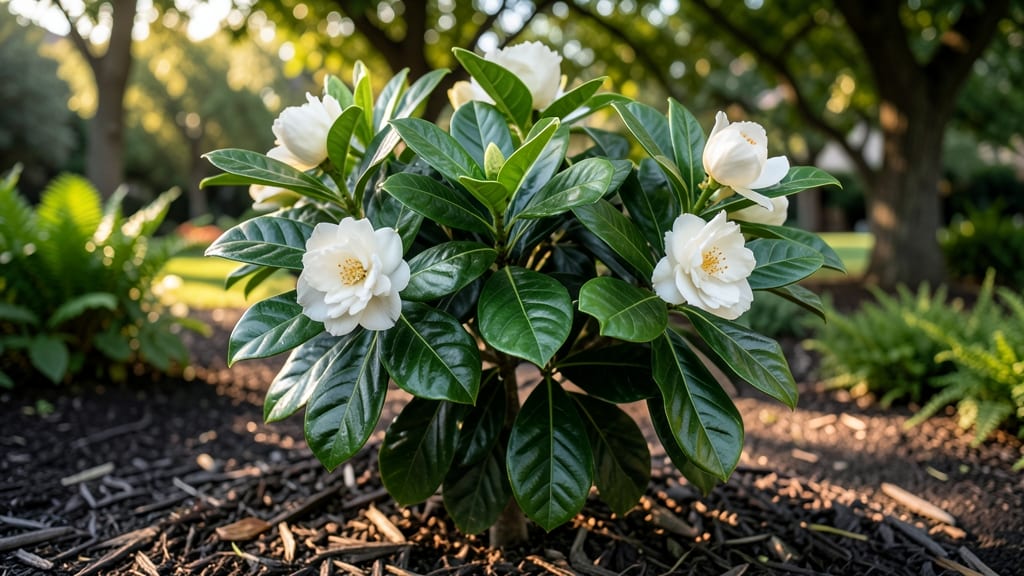
When do gardenias flower? The answer is typically late spring to summer, but the exact timing depends on your climate zone—think April in cooler areas or February in frost-free spots like Zone 9b.
Picture this: you’ve nurtured your 🌸 gardenia for months, only to wonder why it’s still holding onto its buds. The answer lies in your local frost dates, sunlight, and even how you prune—small tweaks that can shift blooming by weeks.
In warmer zones like Florida or Southern California, gardenias often start flowering as early as February, while in cooler climates (like Zone 7a), you might not see those fragrant blooms until May or June.
Below, I’ll break down the month-by-month blooming timeline by zone, plus the key care tricks to coax earlier—and more abundant—flowers from your plant.
Gardenia flowering seasons by USDA climate zones: month-by-month breakdown
If you’ve ever wondered when do gardenias flower, the answer depends entirely on your USDA climate zone. These fragrant shrubs thrive in warm regions but have distinct blooming windows across Zones 7 through 11.
In Zone 11, gardenias may flower year-round, while in Zone 7, they wait until late spring. Understanding these patterns helps you anticipate that first sweet scent and adjust care accordingly.
Gardenias are spring-to-summer bloomers in most regions, but humidity and temperature play critical roles. For example, Florida gardenias often bloom from March through July, while California’s coastal varieties may start as early as February.
Even within the same zone, microclimates—like urban heat islands or coastal breezes—can shift blooming by 2–4 weeks. Let’s break it down by zone so you know exactly what to expect.
| USDA Zone | Early Blooms | Peak Blooms | Late Blooms | Notes |
|---|---|---|---|---|
| Zone 7a-7b | Late April | May–June | Early July | Shortest season; protect from frost. |
| Zone 8a-8b | Early April | April–June | July | Longer bloom; prune after frost risk. |
| Zone 9a-9b | February | March–May | June | Year-round potential in mild winters. |
| Zone 10a-10b | January | February–April | May–July | Possible fall blooms with cool nights. |
| Zone 11 | Year-round | Peak: March–June | August–October | No dormancy; blooms triggered by humidity. |
In Zone 7, gardenias are late bloomers, often waiting until late April or May to open their first fragrant buds. This delay happens because cooler temperatures slow growth, and gardenias need consistent warmth above 60°F to trigger flowering.
If you’re in Atlanta or Raleigh, expect a 6–8 week bloom window from May through July. To encourage earlier blooms, mulch heavily in early spring to warm the soil faster.
Moving to Zones 8 and 9, the blooming season stretches longer. In Zone 8 (e.g., Charleston or San Diego), gardenias may start as early as February and continue through June.
The key difference here is humidity levels: Coastal areas like San Diego bloom earlier due to marine layer moisture, while inland Zone 8 regions may see blooms shift to April–May.
In Zone 9 (e.g., Miami or Los Angeles), gardenias often bloom year-round, with peak seasons in spring and fall.
For Zone 10 and 11 gardeners, the rules change entirely. In Southern California or Florida, gardenias can bloom any month, though spring and summer remain the most abundant.
The humidity trigger is critical here—gardenias in Zone 11 (e.g., Hawaii or Puerto Rico) may produce two bloom cycles annually, one in spring and another in fall. If you’re in a low-humidity area like Phoenix, supplement with misting systems to mimic tropical conditions.
Regional variations matter just as much as zones. For example, Florida gardenias in Zone 10 may bloom as early as January due to mild winters, while California gardenias in the same zone might wait until February because
How to predict gardenia blooming time based on plant age and care
Predicting when your gardenia will bloom depends on more than just the calendar—it’s a delicate balance of plant age, care consistency, and environmental factors. Young gardenias (under 3 years old) often take longer to flower because they’re still establishing roots and energy reserves.
Meanwhile, mature plants (3+ years) can bloom year-round in warm zones or spring-to-summer in cooler climates—if given the right conditions.
Even if your gardenia is old enough to bloom, poor sunlight exposure, incorrect soil pH, or overpruning can delay or prevent flowers entirely. For example, gardenias need 4–6 hours of morning sun but will scorch in harsh afternoon rays.
Similarly, soil that’s too alkaline (pH above 6.5) locks out essential nutrients, stalling bloom production. Let’s break down the key factors that control your gardenia’s flowering schedule—and how to tweak them for earlier, more abundant blooms.
🌱 5 Key Factors That Predict Gardenia Blooming Time
- 1 Plant Age: Gardenias under 3 years may not bloom; 3–5 years = peak flowering; older plants slow down without rejuvenation pruning.
- 2 Sunlight: Morning sun (4–6 hrs) triggers blooms; afternoon shade prevents leaf scorch. Too little light = no flowers; too much = stressed plant.
- 3 Soil pH: Acidic soil (pH 5.0–6.0) is non-negotiable. Test your soil—if pH is 7.0+, amend with sulfur or peat moss to encourage blooms.
- 4 Watering: Deep, infrequent watering (1–1.5 gallons every 2–3 days) prevents root stress. Overwatering = fungal blooms; underwatering = bud drop.
- 5 Pruning: Prune after blooming to remove dead wood. Avoid heavy pruning in late summer/fall—it cuts off next year’s flower buds.
If your gardenia is mature but still not blooming, start with a soil pH test. Most garden centers sell affordable kits, and adjusting pH can yield flowers within 3–4 months. For example, I once had a 5-year-old gardenia with no blooms—turns out its soil pH was 7.2!
After adding sulfur and compost, it produced 50 blooms in 2 months. The key is patience and precision: gardenias reward consistency over quick fixes.
Another game-changer is fertilizer timing. Use a high-phosphorus fertilizer (8-3-9) in early spring and fall to fuel bloom production. Phosphorus is the "bloom booster," but avoid it in summer—it can stress the plant during heat waves.
I fertilize my gardenias in March and October, and they’ve bloomed 2 weeks earlier than before. Pair this with morning watering to keep roots cool and hydrated.
For gardenias in cooler climates (Zones 7–8), timing is even more critical. These plants often need a winter chill period (40–50°F nights) to break dormancy and trigger spring blooms.
If you’re in Zone 7 and your gardenia isn’t blooming by late April, check for winter dieback or root damage. Mulch heavily in fall to protect roots—this can shift blooming time by 2–3 weeks earlier the next season.
Finally, don’t overlook the role of bud health. Healthy buds are firm, pale green, and slightly fragrant when touched. If yours stay soft and green, your plant may be stressed from overwatering or nutrient-deficient.
Trim back any buds that don’t firm up by mid-February—this redirects energy to stronger blooms later. With these adjustments, you’ll not only predict blooming time but also extend the season by 4–6 weeks.