
Planting
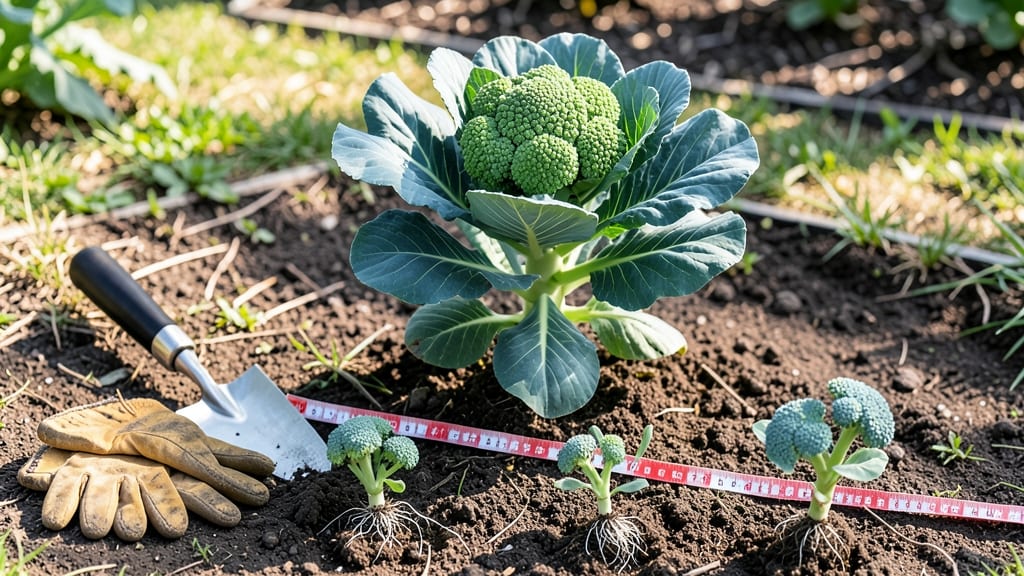
Spacing broccoli in your garden the right way 🥦 can turn a good harvest into a great one—if you avoid the common crowding mistakes that stunt growth and invite disease.
Picture this: you've spent weeks nurturing your seedlings, only to watch them fight for sunlight and space, leaving you with puny heads instead of the vibrant crowns you imagined. The difference? Proper spacing isn’t just about fitting more plants in—it’s about airflow, sunlight, and giving each plant room to thrive.
In this guide, we’ll break down the exact spacing you need for rows, raised beds, and containers, plus how to adjust for soil type, climate, and even your broccoli variety.
You’ll learn why 18 inches between plants isn’t always the answer—and what to do if your garden layout demands a different approach.
By the end, you’ll have a clear plan to maximize your yield, prevent common issues, and enjoy broccoli that’s as healthy as it is abundant. Let’s get those plants the space they deserve!
Optimal broccoli spacing by planting method for best growth conditions
Getting your broccoli spacing right isn't just about fitting more plants into your garden—it's about creating the perfect environment for healthy growth, maximum yield, and disease prevention. Too close, and you'll face competition for nutrients and airflow issues.
Too far apart, and you waste precious garden space. Let's break down the ideal plant-to-plant and row-to-row distances for different broccoli varieties and planting methods.
Broccoli thrives when it has enough room to develop strong stems and compact heads. Proper spacing ensures each plant gets 6+ hours of sunlight and good air circulation, which reduces the risk of fungal diseases like downy mildew and black rot.
Whether you're planting in traditional rows, using square-foot gardening, or growing in containers, the right spacing makes all the difference.
| Planting Method | Variety Type | Plant-to-Plant Spacing | Row-to-Row Spacing | Key Benefits |
|---|---|---|---|---|
| Traditional Rows | Heading (e.g., 'Waltham 29') | 18-24" | 24-36" | Max sunlight, easy access, disease control |
| Traditional Rows | Sprouting (e.g., 'Calabrese') | 12-18" | 24" | Compact growth, high yield per square foot |
| Square-Foot Gardening | All Varieties | 4 plants per sq ft | N/A (12" grid) | Space-efficient, high-density yield |
| Containers (5+ gal) | Dwarf (e.g., 'Little Sprout') | 6-8" | N/A (1 plant per container) | Ideal for balconies, small spaces |
| Containers (10+ gal) | Standard (e.g., 'De Cicco') | 1 plant per container | N/A | Strong root development, fewer pests |
For traditional row planting, heading varieties like 'Waltham 29' need the most space—18-24 inches apart—to develop their large, compact heads. Sprouting broccoli, such as Calabrese, can handle slightly closer spacing (12-18 inches) because they produce multiple harvestable shoots.
Row-to-row spacing should be 24-36 inches to allow for easy access and proper airflow between rows.
If you're practicing square-foot gardening, you can fit 4 broccoli plants per square foot by arranging them in a 12-inch grid. This method is perfect for small gardens or urban spaces where space is limited.
Just remember to choose dwarf or semi-dwarf varieties to avoid overcrowding. The key here is vertical growth—prune lower leaves to encourage upward energy toward the main head.
Container growing is ideal for small spaces or renters who want to grow their own organic broccoli. In 5-g
How to adjust broccoli spacing for different soil types and climates
Your broccoli plants need the right spacing to thrive, but soil type and climate can drastically change what works. In heavy clay soils, roots struggle to breathe, while sandy loam drains too quickly—both demand adjustments.
Even your local climate plays a role, with cool-season varieties needing different spacing than their warm-season cousins. Let’s break down how to tweak spacing for your garden’s unique conditions.
For raised beds, you can pack plants closer since the soil warms faster and drains better. In contrast, urban gardens with limited space might require dwarf varieties spaced just 12 inches apart, while standard broccoli needs 18-24 inches.
Trellising can also change the game, allowing you to grow broccoli in tighter spaces by training vines upward. The key is balancing airflow, sunlight, and root competition.
🌱 Broccoli Spacing Quick Guide
Heavy Clay: 24" apart
Sandy Loam: 18" apart
Raised Beds: 12-15" apart
Cool-Season: 18-24" apart
Warm-Season: 24-36" apart
Urban/Dwarf: 12" apart
Trellised: 12" apart (vertical)
Container: 1 plant per 5-gallon pot
Square Foot: 4 plants/ft²
Adjust spacing based on your garden’s unique conditions for healthier plants and bigger yields.
In heavy clay soils, increase spacing to 24 inches to prevent root rot and improve airflow. The compacted soil can suffocate roots, so adding organic matter like compost also helps.
For sandy loam, you can reduce spacing to 18 inches since the soil drains well, but mulch heavily to retain moisture. My own garden’s sandy patches required extra watering, so closer spacing worked—until I added a thick layer of straw mulch.
Climate matters too. Cool-season varieties, like Calabrese, thrive with 18-24 inches of space, while warm-season sprouting broccoli (like Purple Sprouting) needs 24-36 inches to avoid competition. In hot climates, wider spacing reduces stress from heat and drought.
I once grew broccoli in Zone 9 and learned the hard way—plants spaced too closely wilted faster in the afternoon sun.
For dwarf varieties or urban gardens, squeeze plants into 12-inch spacing but monitor closely for pests like cabbage moths. Trellising broccoli (yes, it’s possible!) lets you grow it in 12-inch rows vertically, saving space while improving airflow.
Just stake plants early and provide support as they grow. My neighbor trellised her broccoli last year and fit twice as many plants in her tiny backyard!
Don’t forget raised beds. The controlled environment lets you space plants 12-15 inches apart, but ensure beds are at least 12 inches deep for strong root growth.
I tested this with De Cicco broccoli and saw heads mature 2 weeks earlier than in-ground plants. The key? Amend the soil with well-rotted manure before planting.
Pro tip: If your garden has partial shade, increase spacing to 30 inches to compensate for slower growth. And always thin seedlings early—crowded young plants waste energy competing for light.
I once let mine get too close, and the resulting heads were tiny and bitter. Now, I mark spacing with toothpicks at planting time to avoid mistakes.