
Planting
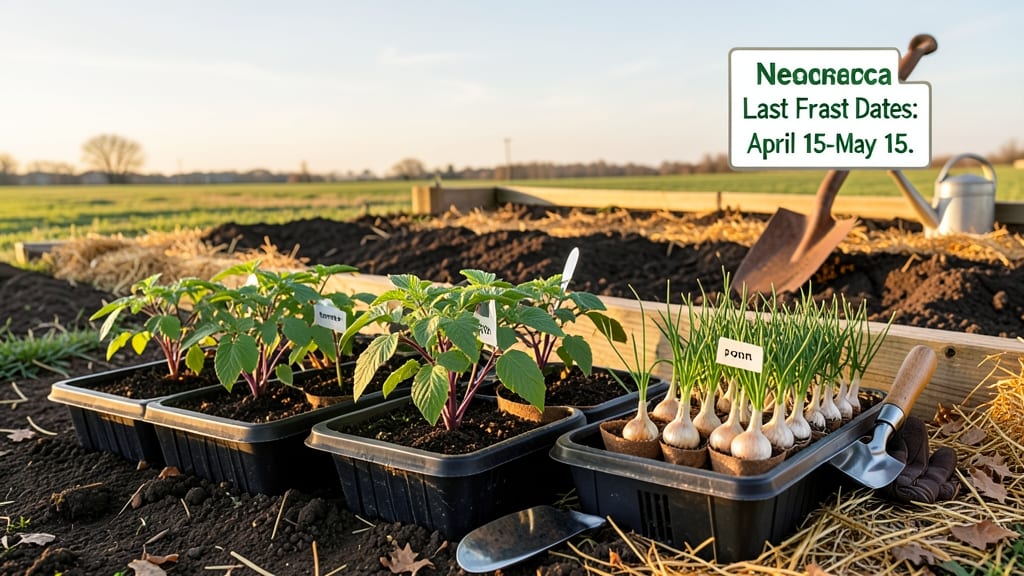
Planting your garden in Nebraska after the last frost date is the key to unlocking a bountiful harvest 🌱—and missing that window means wasted effort and empty rows.
Nebraska’s unpredictable frost dates can turn your gardening dreams into a guessing game—but timing your plantings correctly means the difference between a thriving harvest and a wasted season.
With USDA Hardiness Zones spanning 5a to 6b, knowing exactly when to plant each crop is critical. Cool-season crops like lettuce and peas thrive when soil warms to 50°F, while tomatoes and peppers need to wait until after May 15 in most regions.
In this guide, I’ll break down the best planting windows by crop type, frost-free deadlines by zone, and pro tips to extend your growing season—so you can finally stop second-guessing and start planting with confidence.
Nebraska’s frost-free dates by USDA Zone: when to start planting
Nebraska’s USDA Hardiness Zones 4a to 6b create a unique gardening challenge, with last spring frost dates ranging from late April in Zone 6b to early May in Zone 4a. These dates determine your cool-season planting window—the period between frost threats when you can safely sow hardy crops like spinach and peas.
Meanwhile, your warm-season planting deadline shifts from mid-June in Zone 4a to early July in Zone 6b, giving you just 90-120 frost-free days for heat-loving crops like tomatoes and peppers.
According to Nebraska Extension, the average last frost date across the state is April 15, but microclimates near rivers or urban areas can push this back by 1-2 weeks.
Similarly, the first fall frost typically arrives around October 15, though high-elevation areas in western Nebraska may see frost as early as September 20. Understanding these variations is key to avoiding frost damage while maximizing your growing season.
Here’s your zone-by-zone breakdown of frost-free dates, including critical planting windows for both cool-season and warm-season crops, based on historical data and Nebraska Extension recommendations:
For Zone 4a gardeners, your short frost-free season means prioritizing fast-maturing crops like bush beans (50 days) and radishes (25 days). Start cool-season crops like kale and carrots as early as late March under row covers to extend your harvest.
In Zone 6b, you can push the envelope with late-season plantings of fall broccoli or spinach as late as
Best planting schedule for Nebraska crops: cool-season vs. warm-season timing
Nebraska gardeners face unique challenges with its variable frost dates and short growing season. But with the right timing, you can maximize yields from cool-season crops like spinach and warm-season favorites like tomatoes.
The key is understanding soil temperature thresholds—most vegetables need 50°F+ soil to thrive, while tender plants like peppers require 60°F+.
Start by dividing your planting into three phases: early spring, late spring, and summer. Cool-season crops (broccoli, peas, lettuce) go in March-April, while warm-season crops (tomatoes, cucumbers, beans) wait until after May 15.
Nebraska’s USDA Zones 5a-6b mean you’ll need to adjust based on your specific region—western areas warm faster than eastern zones.
- 1 March-April: Plant cool-season crops like spinach, peas, and lettuce. Use row covers for frost protection.
- 2 Late April-May: Transplant hardy warm-season crops like tomatoes and peppers after soil reaches 55°F+. Start direct-sowing for beans and squash.
- 3 June-July: Sow heat-tolerant varieties like okra and sweet potatoes. Begin succession planting for lettuce and radishes.
- 4 August-September: Plant fall crops like kale and carrots. Use black plastic mulch to extend soil warmth.
For cool-season crops, prioritize early spring planting (March-April) when soil temps hit 40°F+. My go-to varieties include ‘Winter Density’ lettuce (cold-hardy) and ‘Sugar Snap’ peas, which thrive in Nebraska’s short spring windows.
Use black plastic mulch to warm soil faster and row covers to shield seedlings from late frosts.
Warm-season crops like tomatoes and peppers need to wait until after May 15, when soil temps consistently stay above 60°F. I recommend ‘Heatmaster’ tomatoes and ‘Jalapeño’ peppers, both bred for Nebraska’s hot summers.
For succession planting, sow bush beans every 2 weeks from June to July to ensure a steady harvest.
Don’t forget herbs and flowers! Basil and marigolds love Nebraska’s heat, while parsley and chives handle cooler temps. Plant annuals like zinnias in May for summer blooms, and perennials like coneflowers in early spring for low-maintenance color.
To stretch your season, try fall planting for kale and carrots in August. These crops actually sweeten with frost! Just cover them with frost cloth when temps drop below 28°F to protect tender leaves.