
Planting
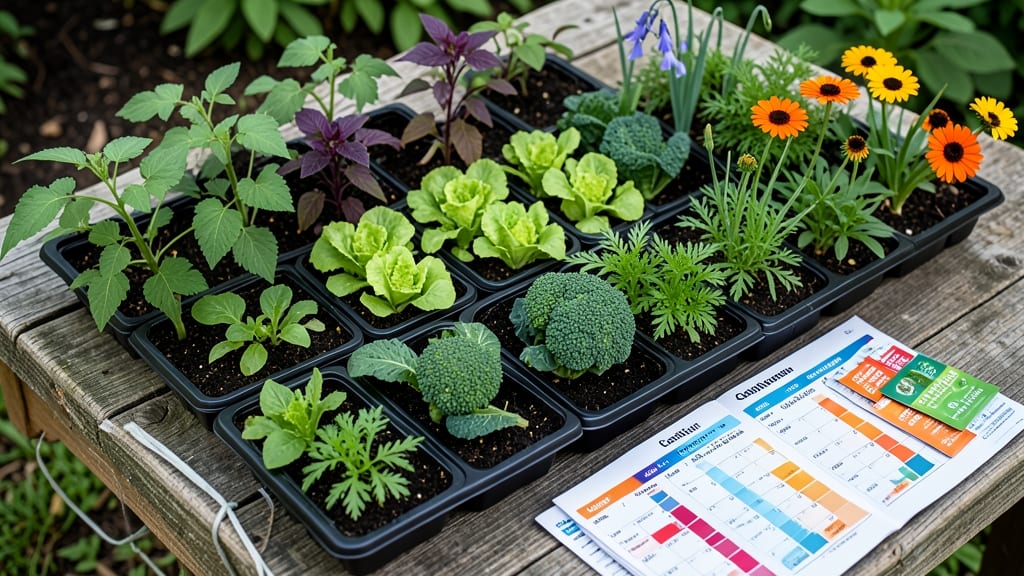
Planting a garden in Virginia the right time ensures your 🌱 thrives through summer and fall, whether you're in the coastal plains or the mountains.
If you've ever watched your seedlings wilt under a late frost or bolt in the heat, you know timing is everything. Virginia's climate shifts dramatically from zone to zone, and even within a single county, microclimates can change what works.
From warm-season crops like tomatoes that need to wait until after April 15 in most areas to cool-season greens that can handle a light frost, the schedule isn't one-size-fits-all. Below, I break down the exact frost-free windows by zone and the best months for Virginia's most popular plants.
You'll learn how to adjust for urban heat islands, high-altitude areas, and even soil types—plus when to start seeds indoors for a head start on the season.
Virginia planting timeline by hardiness zones (5a-7b)
Virginia’s gardening success hinges on understanding your USDA hardiness zone and frost dates. The state spans zones 5a through 7b, with coastal areas (zone 7b) enjoying longer growing seasons than mountain regions (zone 5a).
Knowing your last spring frost and first fall frost determines when to plant cool-season vs. warm-season crops.
For example, zone 5a gardeners in the Appalachians face earlier frosts (mid-April to early October), while zone 7b growers along the coast enjoy frost-free periods from mid-March to late November.
These differences mean your tomato seedlings might go in the ground in May in the mountains but as early as April near the coast.
Here’s how to use this timeline: Cool-season crops like broccoli and spinach thrive when planted 4-6 weeks before your last frost, while warm-season crops such as peppers and squash need to wait until 2 weeks after your last frost.
Always check local records—your microclimate could shift these dates by 1-2 weeks.
Pro Tip: Use row covers or cold frames to extend your growing season by 2-4 weeks in both spring and fall. This is especially helpful in zone 5a, where the season is shorter.
In zone 5a, where winters are harsh, I recommend starting cool-season crops indoors in January to give them a head start. Lettuce and kale can handle light frosts, so you can plant them as early as March 15, even if frost is still a risk.
For warm-season crops, wait until soil temperatures reach 60°F—usually mid-May in the mountains.
If you’re in zone 7b, you have the luxury of planting warm-season crops like tomatoes as early as late February
Best planting months for Virginia’s top 10 garden vegetables
Virginia’s growing seasons vary dramatically—coastal areas like Norfolk enjoy longer frost-free periods, while mountain regions like Roanoke face earlier freezes. For continuous harvests, timing is everything. Whether you’re growing heat-loving tomatoes or cool-season lettuce, these planting windows align with Virginia’s USDA zones 5b-7b.
I’ve broken down the optimal planting months for Virginia’s most popular garden vegetables, including succession planting tips to keep your kitchen garden productive all season. Pro tip: Use row covers to extend early spring or late fall plantings in cooler zones.
🌱 Virginia’s Top 10 Vegetables & Planting Windows
- Tomatoes – Plant after last frost (April–May), transplant 6-week-old seedlings when soil hits 60°F+. For fall harvests, sow seeds July–August for late-season varieties.
- Peppers – Start indoors March, transplant April–May after frost. Longer seasons (zones 6b+) allow July sowings for fall peppers.
- Green Beans – Direct sow April–June (every 2 weeks for succession). Pole beans need trellis support—plant near fences or stakes.
- Lettuce – Sow March–April and again August–September for fall crops. Use shade cloth in summer to prevent bolting.
- Broccoli – Plant April–May or August for fall harvests. Transplant 4-week-old seedlings for best results.
- Carrots – Sow March–April and July–August for winter storage. Loosen soil to prevent forked roots.
- Cucumbers – Direct sow May–June after frost. Trellis vines to save space and improve air circulation.
- Onions – Plant sets in March or sow seeds February–March for early harvests. Cure bulbs in dry shade before storage.
- Spinach – Sow March–April and August–September. Harvest outer leaves to prolong production.
- Sweet Corn – Plant May–June in blocks (not rows) for cross-pollination. Succession plant every 2 weeks for staggered harvests.
For cool-season crops like lettuce and spinach, succession planting every 2–3 weeks ensures a steady supply. In warmer zones (7a+), you can even squeeze in a winter garden with cold-hardy greens like kale or collards, planted in September–October.
Pro move: Keep a planting journal to track what thrives in your specific microclimate. For example, heirloom tomatoes in Southwest Virginia might need June starts due to later frost dates, while coastal gardens can plant 2 weeks earlier.
Adjust based on your local frost dates—check the Virginia Cooperative Extension for updates.
Remember, soil temperature matters as much as air temperature. Use a soil thermometer to confirm 50°F+ for cool crops and 60°F+ for warm-season plants. A 5–7 day cold snap in May? Delay planting until nighttime temps stay above 55°F.